






A New Era: From Government-Led to Private-Driven
For decades, a career in India's space sector meant one thing: working for the Indian Space Research Organisation (ISRO). But a seismic shift is underway. Policy reforms, including the Indian Space Policy 2023 and the establishment of the Indian National
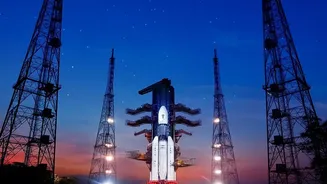
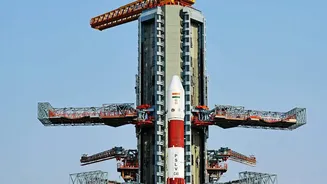
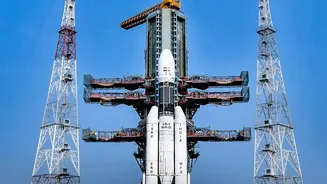
Space Promotion and Authorisation Centre (IN-SPACe), have opened the final frontier to private enterprise. This has catalysed a startup boom, with the number of private space companies soaring from single digits before 2020 to over 450 by mid-2026. These companies are not just supporting ISRO; they are developing their own launch vehicles, building satellite constellations, and creating innovative data products, transforming the very structure of the industry.
The Expanding Private Space Ecosystem
The private sector's growth is staggering. India's space economy, valued at around USD 8.4 billion, is projected to reach as much as USD 44 billion by 2033. This growth is powered by a diverse range of startups. Companies like Skyroot Aerospace, which recently launched India's first privately developed orbital rocket, Vikram-1, and AgniKul Cosmos are focused on building launch vehicles. Others, such as Pixxel and Dhruva Space, are pioneering private satellite missions. This influx of private capital and innovation is creating a competitive, dynamic job market. It's also leading to a 'reverse brain drain,' with experienced talent from ISRO and global firms moving to Indian startups, bringing valuable expertise.
Beyond Rocket Science: The New High-Tech Jobs
The most exciting part of this expansion is the diversification of job roles. While aerospace engineers are still crucial, the demand now extends far into other emerging technologies. The modern space economy is hungry for data scientists and geospatial analysts to interpret the terabytes of information sent back by Earth observation satellites. Companies like SatSure are using this data for applications in agriculture and climate analytics. There is a growing need for AI and machine learning specialists to develop autonomous systems for spacecraft and rovers, robotics engineers for advanced manufacturing, and cybersecurity experts to protect space-based assets. Even fields like space law and policy are expanding as the sector navigates complex regulations and international treaties.
Downstream Applications Driving Demand
The jobs being created are not just about launching rockets; they are about using space technology to solve problems on Earth. This is known as the downstream market. Satellite communications are essential for expanding internet access to remote areas, improving in-flight connectivity, and enabling modern logistics. Earth observation data from companies like GalaxEye, with its innovative OptoSAR satellite, helps in disaster management, urban planning, and precision agriculture. The growth in these downstream applications is creating a ripple effect, generating employment for GIS analysts, remote sensing engineers, and software developers who can turn raw satellite data into actionable insights for various industries.
Building the Talent Pipeline for Tomorrow
To fuel this growth, India needs a steady supply of skilled professionals. The required skill set is evolving. Alongside core engineering disciplines, proficiency in coding languages like C++ and Python, data analysis tools like MATLAB, and geospatial software is becoming essential. However, technical skills alone are not enough. The collaborative, cross-functional nature of the space industry demands strong communication, teamwork, and systems-thinking abilities. Recognising this need, institutions are beginning to offer specialised courses, and organisations like IN-SPACe are working with universities to develop space-focused curricula to prepare the next generation for these exciting and demanding careers.