








Why Rain and Sweat Are a Runner's Enemy
Chafing is the result of friction, where skin rubs against skin or clothing. While it can happen in any weather, the combination of constant moisture from rain and sweat during the monsoon makes your skin much more vulnerable. Wet skin softens and loses
its natural barrier function, making it easier for repetitive movements to cause irritation, redness, and painful raw patches. Furthermore, as your sweat dries, it leaves behind salt crystals that can act like sandpaper, intensifying the friction and making a bad situation even worse. This combination of moisture, salt, and friction is why a run that feels fine in dry weather can lead to severe discomfort in the rain.
Beyond the Usual Suspects
Most runners know to protect common hot spots like the inner thighs, underarms, and nipples. However, a monsoon run introduces new problem areas. The headline's warning about 'places dry runs never expose' is a crucial one. Think about any point of contact where wet fabric sits for an extended period. The seam of your shorts, the band of your heart rate monitor, or a running belt can all become sources of intense chafing. Even the back of your ankles or the line where your socks end can become irritated. Sports bra straps and waistbands are also major culprits, as the soaked fabric moves against your skin with every stride.
Your First Line of Defence: Lubricate Liberally
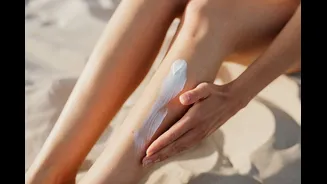
The single most effective way to prevent chafing is to create a barrier that allows skin to glide instead of rub. This is where anti-chafing products come in. Look for balms, sticks, or creams designed for runners. Products like Body Glide, Run Glide, or even petroleum jelly can be lifesavers. The key is to be generous with your application. Apply a thick layer to all potential problem areas before you even get dressed—thighs, groin, underarms, nipples, and any new spots you've identified. For a long monsoon race, consider carrying a small, travel-sized stick to reapply if you feel a hot spot developing.
Gear Up With the Right Fabrics
Your clothing choice is critical in wet conditions. The golden rule is to avoid cotton at all costs. Cotton absorbs and holds onto moisture, becoming heavy, saggy, and abrasive against the skin. Instead, opt for technical, moisture-wicking fabrics like polyester or nylon blends. These materials pull sweat away from your skin and dry much faster. Look for seamless construction to minimise friction points. A snug fit is generally better than loose clothing, which can bunch up and rub. Compression shorts or tights that cover the inner thighs are an excellent way to eliminate skin-on-skin friction entirely.
Post-Run Care for Damaged Skin
If you do end up with chafed skin despite your best efforts, proper care is essential to prevent infection and speed up healing. As soon as you finish your run, take a shower. Be prepared for a sting when the water hits the raw skin. Use lukewarm water and a gentle soap to clean the area, then pat it dry carefully—don't rub. Once the skin is dry, apply a soothing ointment. Products containing zinc oxide or healing balms can protect the area and promote recovery. Wear loose, soft clothing until the skin has healed to avoid further irritation. If the area is extremely painful, swollen, or shows signs of infection, it’s best to see a doctor.