

The Shock Exit and the Path to Return
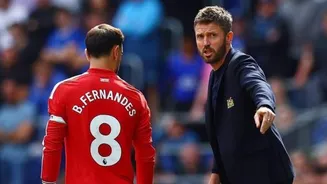
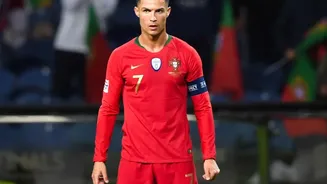
The conversation around Cristiano Ronaldo's return would not be happening without the drama of his sudden departure. During the last international window, friction with new coach Jorge Jesus over playing time saw the captain leave the squad camp. The dispute
stemmed from Ronaldo being an unused substitute against Norway, leading to a public falling out and a provisional suspension by the Portuguese Football Federation (FPF). Despite the controversy, which included a 30-day ban and a minor fine, the door was deliberately left open for a reconciliation. Coach Jorge Jesus stated that the decision would ultimately be Ronaldo's, while FPF president Pedro Proença began a public campaign to smooth things over, framing the incident as a misunderstanding that needed to be resolved internally.
Why the Federation Wants its Captain Back
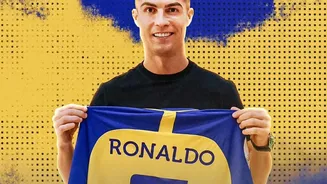
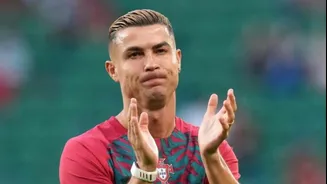
The push for Ronaldo’s return is being led from the top. FPF president Pedro Proença has been unequivocal in his support, describing the forward as 'one of our key pieces' and the 'greatest asset Portuguese football has ever produced'. At an event in Ronaldo's hometown of Funchal, Proença made it clear the federation wants its captain back for the November international break, stating that the coach and teammates are aligned in this desire. This strong backing suggests that the FPF views Ronaldo's value—both on the pitch and as a national symbol—as too significant to be discarded over a dispute with the coach. The leadership clearly believes that a Portugal side with a motivated Ronaldo is stronger than one without him, even at this late stage of his career.
The Tactical Puzzle for Jorge Jesus
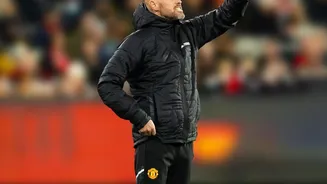
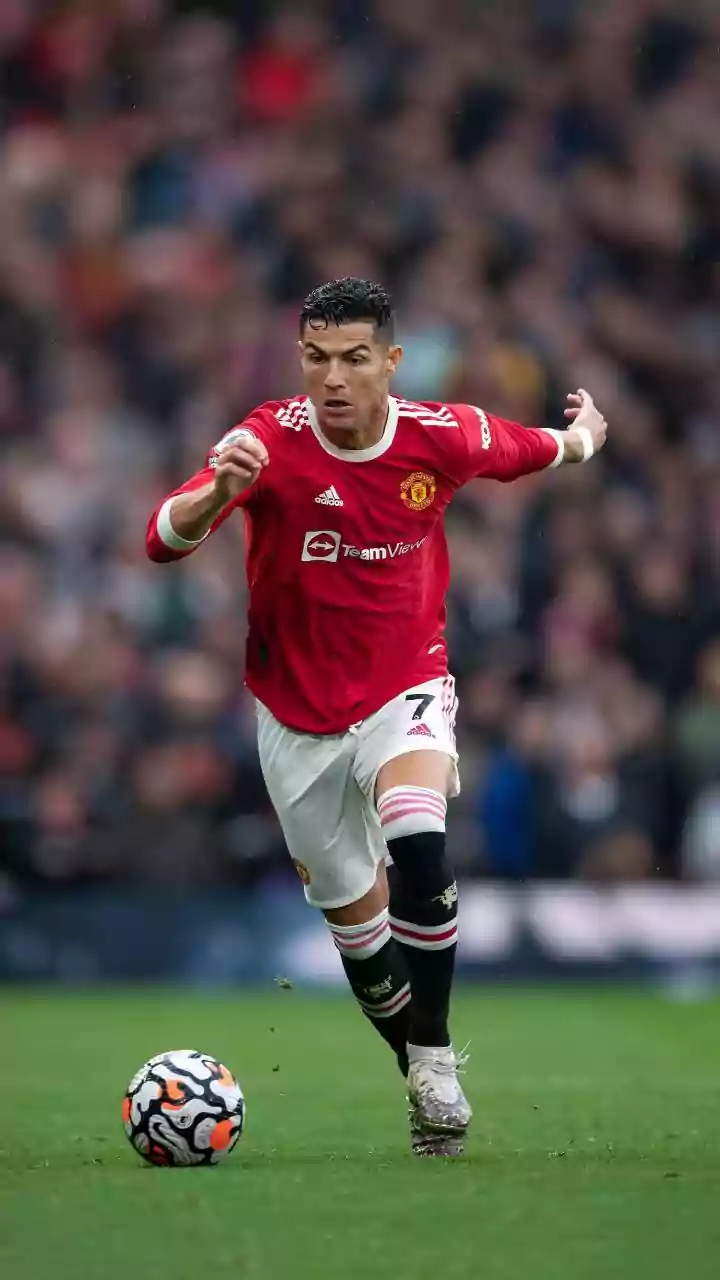
While the federation smooths the path politically, the biggest challenge falls to coach Jorge Jesus: how to integrate a 41-year-old superstar into a modern, evolving team. Having coached Ronaldo at Al-Nassr, Jesus is familiar with his capabilities. However, the demands of international football are different. Ronaldo is no longer the explosive winger of his youth; his game is now centered on penalty-box instincts and clinical finishing. The question is whether he will return as a guaranteed starter or accept a role as an impact substitute and veteran leader. The current Portugal squad features dynamic young forwards, and finding a tactical balance that accommodates Ronaldo without stifling emerging talent will be Jesus's most delicate task. The upcoming Nations League matches against Denmark and Wales will be the first test of this new dynamic.
A Final Chapter in a Storied Career
For Ronaldo, this comeback is about more than just adding to his record-breaking caps and goals. It is about writing the final chapter of his international career on his own terms. After a contentious exit from the 2026 World Cup, followed by the recent fallout with Jesus, returning to the squad offers a chance at redemption and a more fitting farewell. As the reigning UEFA Nations League champions, Portugal has already qualified for the knockout stages, making the November games a lower-pressure environment to re-integrate their captain. A successful return could set the stage for one last major tournament, potentially the UEFA Euro 2028, by which time he would be 43. This return is a gamble, but one that allows one of football's greatest players to chase a final, triumphant moment with his country.