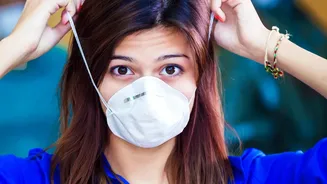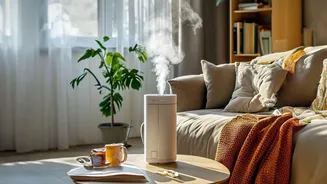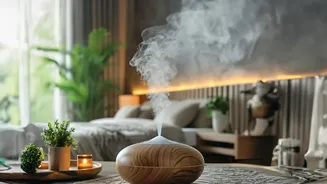




The sky is a hazy, grey blanket, and the air quality app on your phone flashes a warning. The immediate instinct is to shut every window. But is a sealed home always the safest choice? The answer is more complex than you might think.
The Golden Rule (and Its Flaw)
The standard advice
during a severe smog event is simple and logical: keep your windows and doors closed. This creates a physical barrier against harmful outdoor pollutants like PM2.5, the fine particulate matter that can penetrate deep into your lungs. In most homes, keeping windows shut can reduce indoor particulate matter levels to about 55-60% of what they are outside. However, this strategy comes with a significant trade-off. Without ventilation, your home becomes a sealed box, trapping pollutants that are generated indoors. In fact, indoor air can become two to five times more polluted than the air outside under certain conditions. This creates a new set of air quality problems.
The Dangers of a Sealed Home
When you seal your home, you trap more than just yourself inside. Everyday activities release a surprising amount of pollutants into your air. Cooking, especially frying, releases particulate matter. Cleaning products, paints, and even some furniture can off-gas volatile organic compounds (VOCs). Even breathing releases carbon dioxide. In a poorly ventilated space, concentrations of these indoor pollutants can build up, leading to what is sometimes called 'sick building syndrome', with symptoms like headaches, fatigue, dizziness, and irritation of the eyes, nose, and throat. Furthermore, moisture from showers and cooking can get trapped, creating ideal conditions for mould and mildew growth.
Know When to Keep Them Shut
The decision to close your windows should be data-driven. Use a reliable Air Quality Index (AQI) tracker on your phone or computer. As a general rule, if the AQI for PM2.5 is above 100 ('Unhealthy for Sensitive Groups'), it is best to keep windows closed, especially if you have children, elderly individuals, or family members with respiratory conditions. If the AQI surpasses 151 ('Unhealthy' for everyone), all windows should remain firmly shut. During these periods, the risk from potent outdoor pollutants outweighs the benefit of ventilation.
Finding a Window for Fresh Air
Even on high-pollution days, you may not need to keep your home sealed for 24 hours. The key is strategic ventilation. Air pollution levels often fluctuate throughout the day. Check your AQI app for hourly forecasts. Often, there are brief periods when the air quality improves. For instance, pollution levels may be lowest in the early morning or late at night. Opening windows for just 15-20 minutes during these dips can be enough to flush out stale indoor air and reduce CO2 levels without letting in an overwhelming amount of smog. Creating a cross_breeze by opening windows on opposite sides of the house makes this quick exchange even more effective.
Your Air Defence System
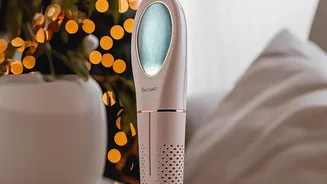
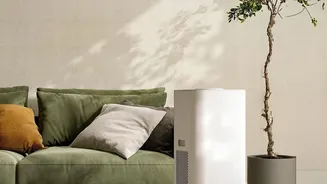
When windows must stay closed, you need other lines of defense. The most effective tool is a high-'quality' air purifier with a HEPA (High-'Efficiency' Particulate Air) filter. These devices are designed to capture fine particles like PM2.5, smoke, and dust. Studies have shown that a good air purifier can reduce indoor PM2.5 levels by over 60%. For best results, choose a purifier sized for your room and place it in the space where you spend the most time, like the bedroom. While purifiers are excellent at capturing particles, models with an activated carbon filter can also help reduce odors and some gaseous pollutants.
Minimizing Indoor Pollutants
Beyond using a purifier, you can actively reduce the sources of indoor pollution. When outdoor air is bad, avoid activities that add to the indoor load. This includes burning candles or incense, using harsh aerosol cleaning sprays, and smoking indoors. Use your kitchen's exhaust fan whenever you cook—and make sure it vents outside, not just recirculates air. If you don't have an exhaust fan, cooking methods that use less high heat can help. Taking these steps reduces the overall burden on your indoor air, making your sealed environment healthier.