

The Familiar Pre-Holiday Plant Panic
We've all been there. You're excited for a trip, but a nagging worry clouds your thoughts: who will water the plants? Entrusting a neighbour or friend comes with its own anxieties. Did you explain the specific needs of the fern versus the succulent? Will
they overwater? Under-water? The alternative, leaving them to fate, often leads to a grim homecoming. Most common houseplants can survive for about one to two weeks without water, but this varies wildly depending on the plant type, pot size, and home environment. Relying on guesswork is a recipe for wilted leaves and a stressful return.
Why a Trial Run Is a Game-Changer
The single best way to ensure your plants thrive in your absence is to conduct a trial run of your chosen watering method before you leave. This isn't just a hack; it's a simple, scientific experiment tailored to your home. By testing your setup for a few days—a week or two before your actual departure—you replace anxiety with data. You'll know for certain if your system delivers the right amount of moisture or if it needs adjustments. A successful test means you can relax on vacation, confident that you aren't coming home to a botanical crisis.
Choose Your DIY Watering System
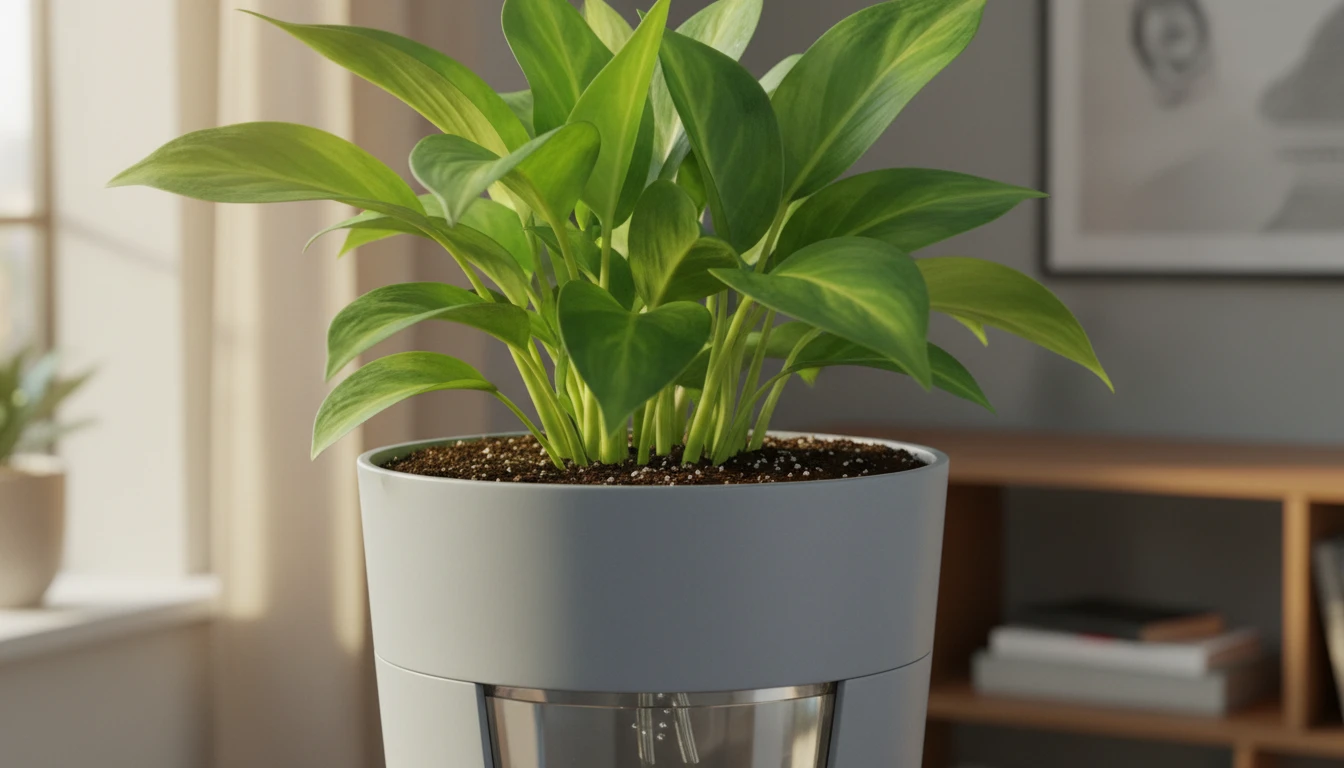
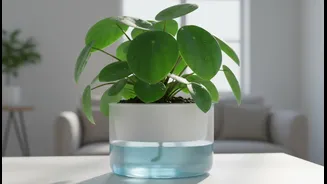
Before you can test, you need a system. Luckily, creating a self-watering setup is simple and inexpensive. The most popular and reliable DIY method is the wicking system. All you need is a container of water (a large jar or bucket) and a piece of absorbent material, like cotton rope or strips from an old t-shirt. Place one end of the wick into the water reservoir and bury the other end a few inches into your plant's soil. The soil will draw water through the wick via capillary action as it dries, providing a steady supply of moisture. Another option is the plastic bottle method: puncture small holes in the cap of a water-filled plastic bottle, cut off the bottom, and insert it upside-down into the soil for a slow drip.
How to Conduct the Perfect Test
About two weeks before your trip, select your watering method and set it up. If using a wick, ensure the water reservoir is placed correctly—some sources suggest placing it higher than the plant pot can help gravity assist the process. Water your plants thoroughly before starting the test. Then, leave the system to run for three to five days, mimicking a short absence. This period is long enough to reveal any flaws. Is the water in the reservoir depleting too quickly? Is the wick failing to draw water? These are the crucial insights you need before a longer trip.
Reading the Results and Making Adjustments
After your 3-to-5-day test, it's time to assess the results. Check the soil moisture by sticking your finger a couple of inches deep. The goal is moist, not soggy, soil. If the soil is bone dry, you may need more wicks per pot, a more absorbent wick material, or a larger water reservoir. If the soil is waterlogged, your system is too efficient, and you might consider using a smaller wick or a different method. This trial-and-error process is the key. Adjust your setup based on these observations and, if you have time, run another short test to confirm your changes work perfectly.
Beyond Watering: Setting the Scene for Survival
Water is crucial, but it's not the only factor. To give your plants the best chance, make a few environmental adjustments before you leave. Move plants away from direct sunlight to reduce their water needs and prevent sunburn. Grouping plants together can also help create a more humid microenvironment. If you normally use a heater or air conditioner, try to keep the temperature stable, as drastic changes can stress your plants. And finally, hold off on fertilizing in the weeks before you leave; you want to encourage slow, steady conservation of resources, not a growth spurt.