




The Secret of the Nilgiri Leaf
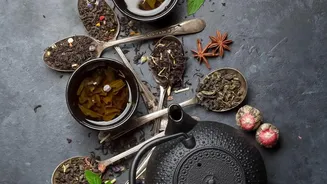
The foundation of any great cold brew is the tea leaf itself, and artisanal makers are increasingly turning to Nilgiri tea for a specific reason: its remarkably low astringency. Grown in the high altitudes of the Western Ghats, Nilgiri leaves have fewer
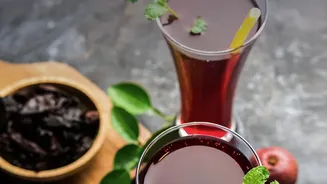
tannins compared to other black teas. This is crucial for cold brewing, a process where bitterness can easily overpower the flavour. The result is a brew that is naturally smooth and sweet, with bright, floral, and citrusy notes. Unlike other teas that can become cloudy or harsh when chilled, Nilgiri tea remains clear and vibrant, creating a visually appealing golden liquor that looks as refreshing as it tastes. This inherent sweetness and clean profile mean the tea requires little to no added sugar to be enjoyable.
The Art of Slow Extraction
Cold brewing is a method defined by patience. Instead of using heat to rapidly extract flavour, artisanal producers steep Nilgiri leaves in cold, filtered water for an extended period, typically between 8 to 12 hours in a refrigerated environment. This slow, gentle process is the key to a smoother, more nuanced flavour profile. Hot water can shock the leaves, releasing bitter tannins and high levels of caffeine almost immediately. Cold water, in contrast, coaxes out the more delicate, volatile aromatic compounds and natural sweetness, while leaving many of the bitter components behind. This technique not only produces a sweeter-tasting tea but may also preserve a higher concentration of beneficial antioxidants.
Formulating for Flavour, Not Sugar
The primary goal for artisanal tea makers is to showcase the quality of the leaf, not mask it with sweeteners. Because the cold brew process naturally enhances the sweet, fruity character of Nilgiri tea, the need for added sugar is significantly reduced. Many craft brewers bottle their Nilgiri cold brew with no sugar at all, confident in the tea's inherent palatability. When a touch of sweetness is desired, the focus shifts to natural, complementary options. Instead of refined white sugar, makers might use a small amount of honey, which pairs well with the tea's floral notes, or stevia for a zero-calorie option. The philosophy is to supplement the flavour profile, not dominate it, allowing the clean, brisk character of the Nilgiri to remain the star of the show.
Perfect Pairings and Infusions
Beyond the basic brew, artisanal formulation involves creative flavour pairings that enhance the Nilgiri base without relying on sugary syrups. The tea's natural citrus undertones make it a perfect canvas for infusions of fresh lemon, orange, or grapefruit peel. Herbal additions are also popular, with makers using mint, lemongrass, or ginger to add another layer of complexity and refreshment. These natural ingredients are added during the cold brewing process, allowing their flavours to infuse slowly and harmoniously with the tea. The goal is to build a complex, layered beverage where each element is distinct yet balanced. This approach respects the integrity of the tea leaf while creating a unique and sophisticated drink that stands apart from mass-market iced teas.
A Healthier, Smoother Sip
The result of this meticulous process is a beverage that aligns perfectly with modern wellness trends. A bottle of artisanal Nilgiri cold brew is not just a treat; it's a healthier choice. It contains significantly less caffeine than its hot-brewed counterpart—often about half—making it a great option for an afternoon refreshment without the jitters. It's also gentler on the stomach due to the lower levels of tannins and acidity. Rich in antioxidants like flavonoids and catechins, which support everything from heart health to immunity, it offers genuine benefits in every glass. For consumers looking to reduce their sugar intake without sacrificing flavour, these thoughtfully crafted cold brews provide a truly satisfying and guilt-free alternative to sugary sodas and juices.