

The Modern Fitness Uniform
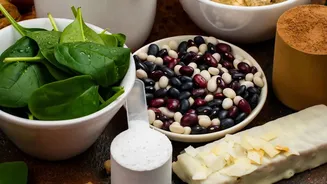
Walk into any gym, and you're bound to see them: colourful shaker bottles filled with milky-looking liquids. Post-workout protein powders, particularly whey, have been marketed so successfully that they are now considered an essential part of the fitness
journey. The promise is simple: a concentrated, quick-absorbing dose of protein to repair and build muscle immediately after exercise. This convenience has made protein supplements a multi-billion rupee industry in India, with gym-goers often believing that their workout is incomplete without a scoop of expensive powder.
Enter the Desi Powerhouses
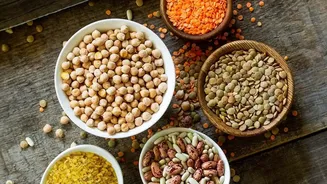
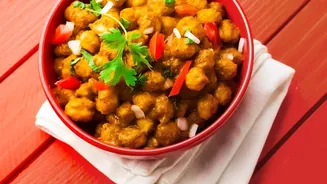
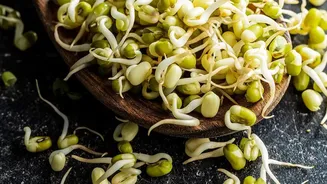
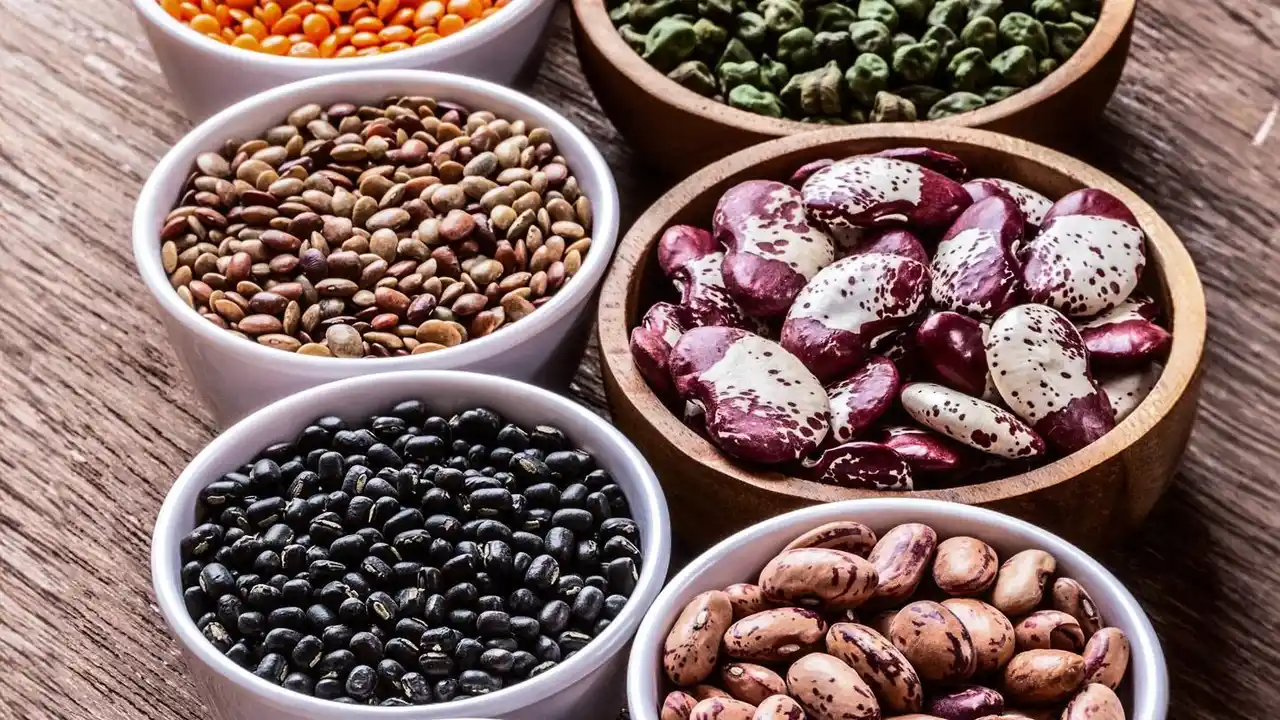
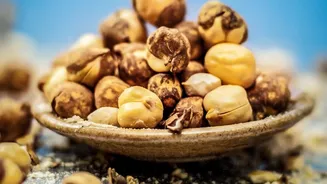
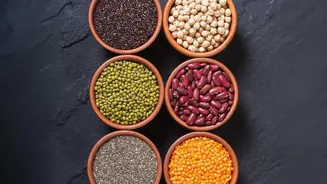
Before the rise of these processed supplements, there were other, more traditional sources of strength and recovery. Enter sattu and sprouted legumes. Sattu, a humble flour made from roasted Bengal gram (chana), has been a staple in North and East India for centuries. It's a nutritional powerhouse, known for its cooling properties and sustained energy release. Similarly, sprouted legumes like moong are living foods, their nutritional value unlocked and enhanced through the simple process of germination. These are not supplements; they are whole foods that have nourished generations.
The Protein Showdown
Let's be clear: on a gram-for-gram basis, a scoop of whey isolate has more protein than a serving of sattu. A typical whey serving offers 24-25 grams of protein, while a 30-40 gram serving of sattu provides around 7-10 grams. Protein powders are also 'complete' proteins, meaning they contain all nine essential amino acids. However, this is only part of the story. The protein in sattu and legumes is highly effective for recovery and maintenance. Furthermore, the 'incomplete' protein issue is easily solved in a typical Indian diet by pairing legumes with grains or dairy—like having a sattu drink with milk or yogurt.
Nutrition Beyond the Scoop
This is where sattu and sprouts truly outshine their manufactured counterparts. A protein powder is an isolate; it gives you protein and little else. A bowl of sprouts or a glass of sattu, on the other hand, offers a symphony of nutrients. Sattu is packed with dietary fibre, which aids digestion, keeps you feeling full, and supports a healthy gut. It's also rich in iron and magnesium. Sprouted moong is bursting with vitamins C and K, folate, and antioxidants, with the sprouting process making these nutrients more bioavailable. This holistic nutrition supports overall health, not just muscle repair.
The Purity and Digestion Test
When you drink a sattu sharbat, you know exactly what's in it: roasted gram flour and whatever natural flavourings you add. The same cannot always be said for protein powders. Many commercial supplements contain artificial sweeteners, fillers, thickeners, and preservatives. More alarmingly, studies have raised concerns about the presence of heavy metals like lead, cadmium, and arsenic in some popular protein powders. For those with sensitive stomachs, whey concentrates can also cause bloating and acne. Sattu and sprouts are gentle on the stomach and free from these industrial-age worries.
Your Wallet Will Thank You
The financial argument is perhaps the most compelling. A kilogram of quality whey protein can cost anywhere from ₹3,000 to ₹6,000. In stark contrast, a kilogram of sattu costs a small fraction of that, around ₹150-250. When you calculate the cost per gram of protein, traditional foods are overwhelmingly more economical. Building a healthy body shouldn't require you to drain your bank account, and these desi alternatives prove that world-class nutrition can be incredibly affordable.