



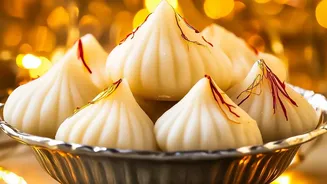
The Rich Tradition of Festive Indulgence
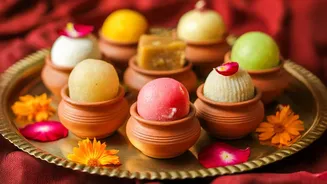
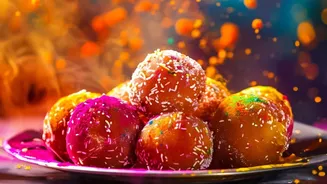
Janmashtami, celebrating the birth of Lord Krishna, is a festival steeped in devotion and culinary richness. Central to the celebrations is the ‘bhog’ or offering made to the deity, which often includes an array of decadent sweets. Milk-based delights
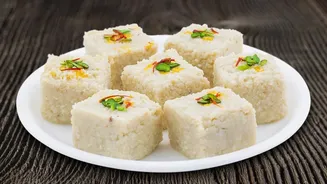
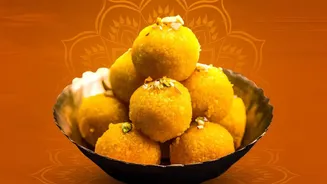
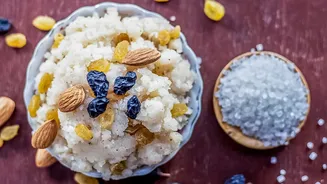
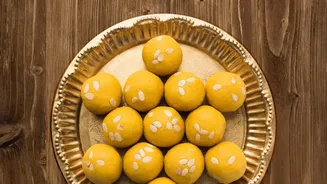
like Peda, Kheer, and Makhan Mishri are staples, symbolising purity and Krishna's legendary love for butter and sweets. For generations, these recipes for treats like Panjiri and various laddoos have been passed down, marked by their generous use of sugar, ghee, and milk, creating flavours that are synonymous with festive joy and abundance.
A New Generation's Appetite for Wellness
Across India, younger generations, particularly Millennials and Gen Z, are driving a significant cultural shift towards wellness and mindful eating. This generation is more health-conscious, digitally savvy, and keenly interested in the nutritional content of their food. This doesn't mean they are rejecting tradition; rather, they are seeking ways to align it with a healthier lifestyle. The preference is shifting from heavy, three-course meals to smaller, more frequent, and nutritious options. This growing awareness has created a demand for healthier alternatives in every food category, and festive sweets are no exception.
The Rise of Youth-Led Food Innovation
The headline's "youth collectives" are best understood as a vibrant movement of young home chefs, food bloggers, and new-age startups who are collaborating and sharing ideas, often through social media. These digital-first creators and entrepreneurs are responding to the demand for healthier options by experimenting with traditional recipes. They are not large corporations but rather a decentralised network of innovators who are passionate about both their cultural heritage and modern nutritional science. By sharing recipes for low-sugar mithai online, they are creating communities around the idea that festive food can be both delicious and guilt-free.
Reimagining Classics with Natural Sweeteners
The innovation lies in swapping refined white sugar with a variety of natural and healthier alternatives without compromising taste. Date paste, with its natural sweetness and binding properties, is now used in laddoos and panjiri. Jaggery, a traditional Indian sweetener rich in minerals, is making a major comeback in everything from Kheer to Barfi. Other popular substitutes include honey, coconut sugar, and stevia, a plant-based sweetener with zero calories. For example, a traditional Paneer Kheer can be made with a pinch of stevia, and Oats Laddoos can be bound with chopped dates and a small amount of ghee, offering fibre and nutrients alongside sweetness.
More Than a Recipe, It's a Cultural Update
This trend is about more than just cutting calories; it's a thoughtful evolution of tradition. By making festive sweets more accessible to those with health concerns, like diabetes, or simply those who prefer a more balanced diet, this young generation is ensuring that these cultural practices remain relevant and inclusive. It reflects a desire to hold on to the essence of festivals—the joy, the community, and the flavours—while adapting them to contemporary values. These low-sugar innovations are not a rejection of the past but a creative bridge to the future, allowing cherished traditions to be passed on in a healthier, more sustainable way.