


1. The Great Green Makeover
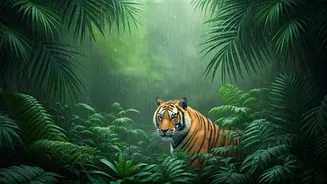
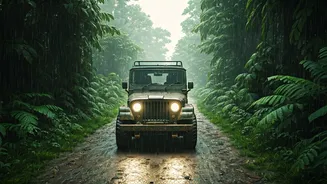
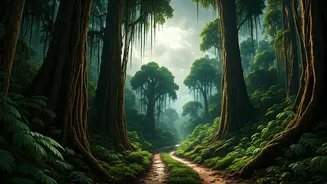
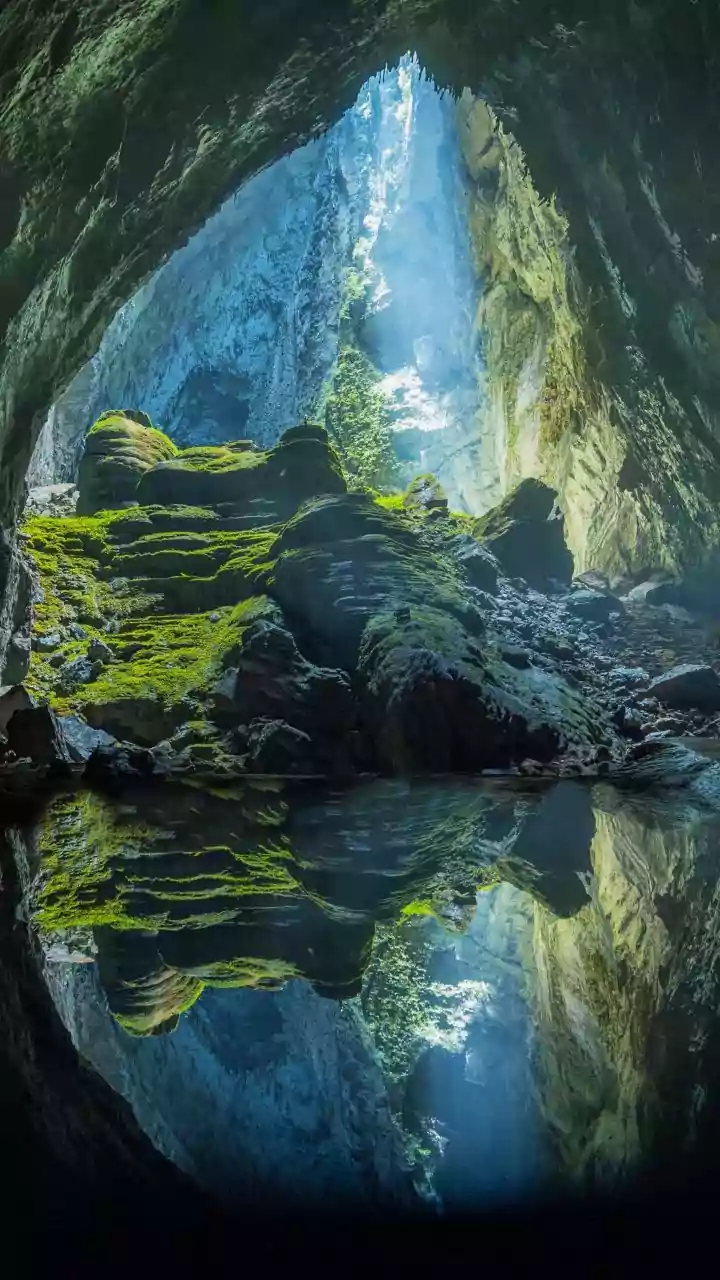
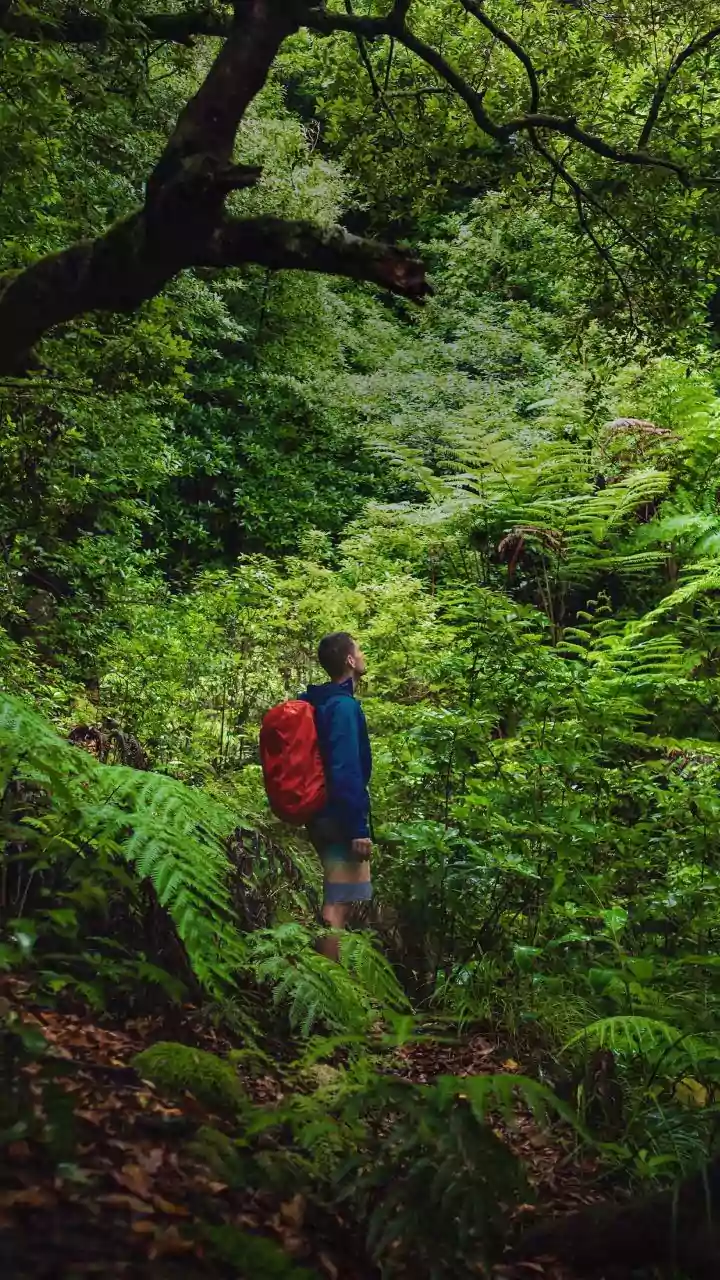
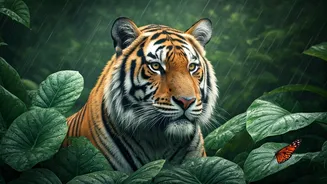
The most immediate and dramatic change the monsoon brings is the colour palette. The parched, brown landscapes of summer are reborn in a thousand shades of green. Every leaf on every tree is washed clean, glistening with raindrops and seeming to breathe
with life. The forest floor, once brittle and dry, is carpeted with fresh undergrowth, moss, and fungi. This emerald transformation isn't just beautiful; it creates a stunning, high-contrast backdrop that makes every animal sighting pop. The air itself feels different—clean, crisp, and heavy with the scent of wet earth (petrichor) and blooming flora. This sensory overload is an experience that the dry heat of summer simply cannot match.
2. The Animal Kingdom Comes Alive
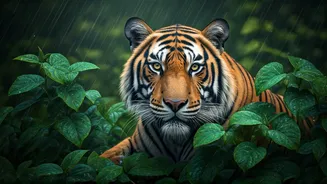
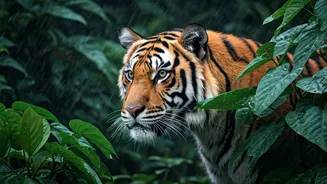
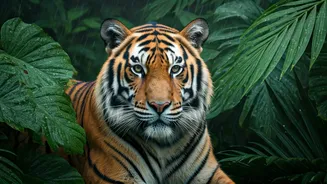
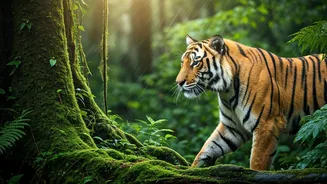
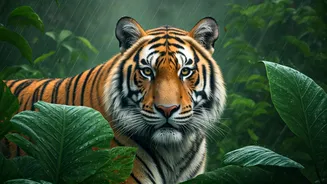
While many assume wildlife is harder to spot in the dense monsoon foliage, the opposite is often true. The cooler, more pleasant temperatures mean animals are active for longer periods during the day, rather than just at dawn and dusk. Tigers and leopards, enjoying the respite from the heat, are often seen patrolling their territories or lounging near water bodies, which are now full and abundant. Herbivores like sambar and spotted deer are in their element, grazing on the plentiful new growth. For birdwatchers, the monsoon is a bonanza. It's the breeding season for many resident species, and the sight of a peacock dancing with its full iridescent plumage against a dark, cloudy sky is an iconic monsoon spectacle you won't forget.
3. A Photographer's Dream Canvas
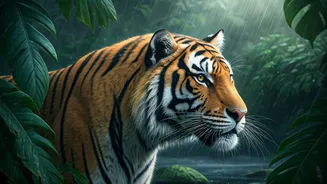
The headline’s promise of a “picture-perfect escape” is most true for photographers. The soft, diffused light of an overcast day is far more forgiving than the harsh midday sun, eliminating sharp shadows and allowing for rich, saturated colours. Rain-streaked foliage, misty landscapes, and dramatic cloud formations provide endless creative opportunities. Capturing a majestic elephant against a stormy sky or a tiger reflected in a fresh puddle creates a mood and a story that a standard sunny-day shot rarely achieves. Pro tip: ensure you have a good rain cover for your camera and lens, and don't be afraid of a slightly higher ISO to compensate for lower light. The results will be well worth the extra preparation.
4. The Joy of Solitude (and Better Deals)
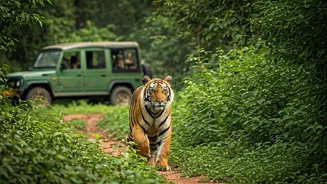
Because the monsoon is considered the 'off-season' for safaris, the parks that remain open are significantly less crowded. The long queues of jeeps jostling for a glimpse of a tiger are largely absent. This offers a more intimate and peaceful wildlife experience, where the sounds of the forest aren't drowned out by engines and chatter. You get to feel like a true explorer, discovering the jungle's secrets on your own terms. This dip in demand also translates into practical benefits: accommodation and safari prices are often lower, making a monsoon getaway a more budget-friendly option without compromising on the quality of the experience.
5. Where to Go: Your Monsoon Safari Guide
It's crucial to know that while many national parks' core zones close during the monsoon, several buffer zones and specific sanctuaries offer fantastic experiences. In Rajasthan, buffer zones 6 through 10 of Ranthambore National Park typically remain open, offering good chances for sightings. In Uttarakhand, the Jhirna and Dhela zones of Jim Corbett National Park are accessible year-round. Down south, Kerala's Periyar Tiger Reserve is a stunning monsoon destination, with boat safaris on the lake providing a unique vantage point. Similarly, parts of Karnataka's Bandipur and Nagarhole parks stay open. Always check the official forest department websites for the latest information on accessible zones and booking procedures before planning your trip.