



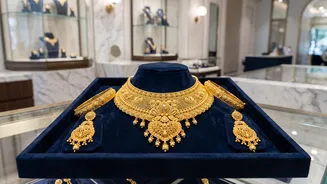
A Golden Festive Season
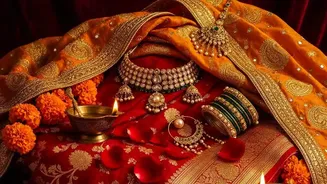
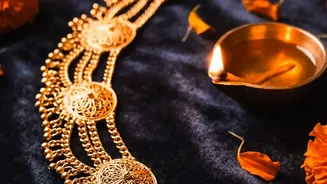
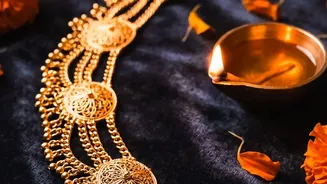
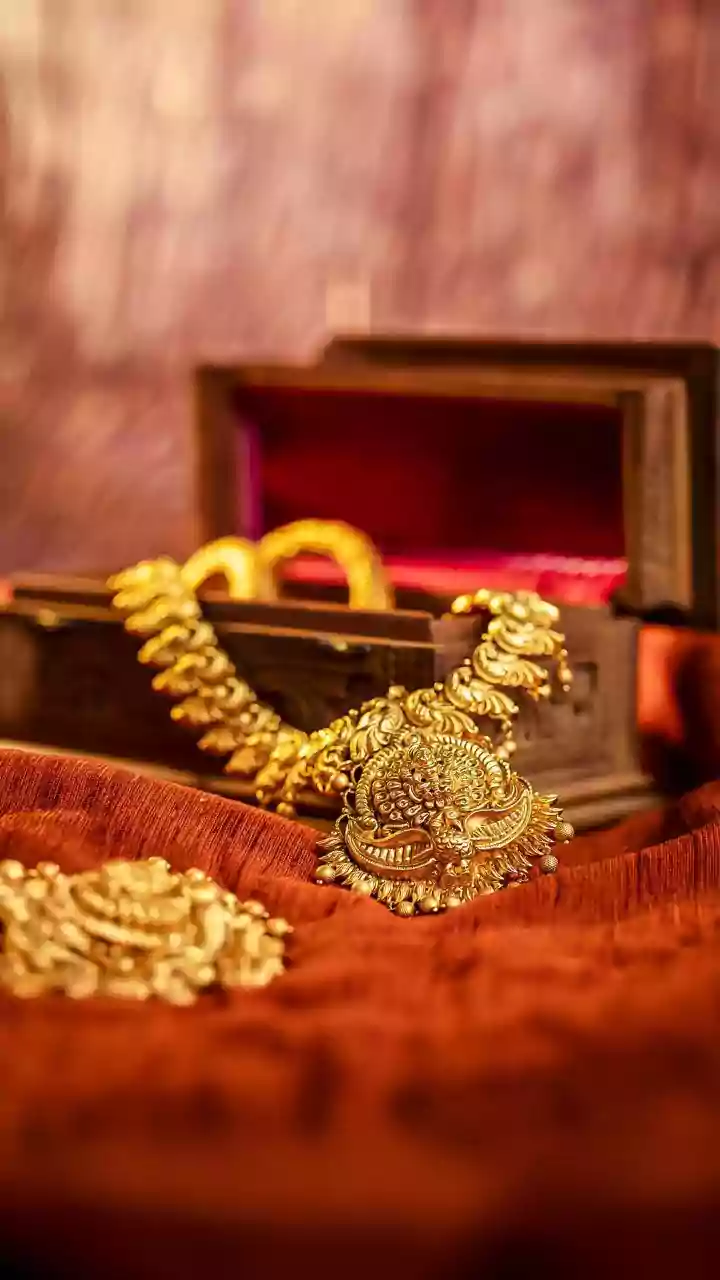
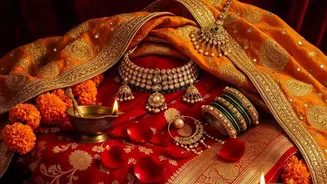
The recent festive period, encompassing Dhanteras and Diwali in early November, saw a significant revival in consumer interest for gold. Jewellers reported a healthy increase in footfall, with sales volumes on Dhanteras expected to have risen by 10-12%
compared to the previous year. This surge was largely fuelled by a timely correction in gold prices, which had declined in the weeks leading up to the festivals. A drop of over 7% in the month before Dhanteras encouraged many buyers who had been waiting for a more comfortable entry point to make their purchases. This positive sentiment was reflected in premiums, which rose to as high as $8 an ounce over official domestic prices, indicating robust demand from retailers and consumers alike.
The Wedding Season's Crucial Role
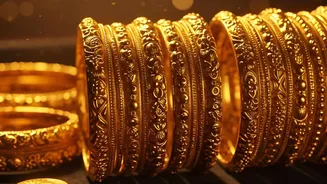
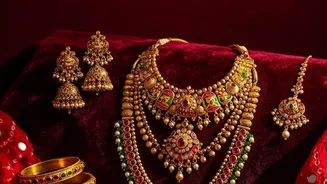
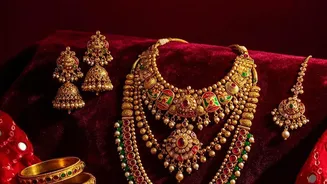
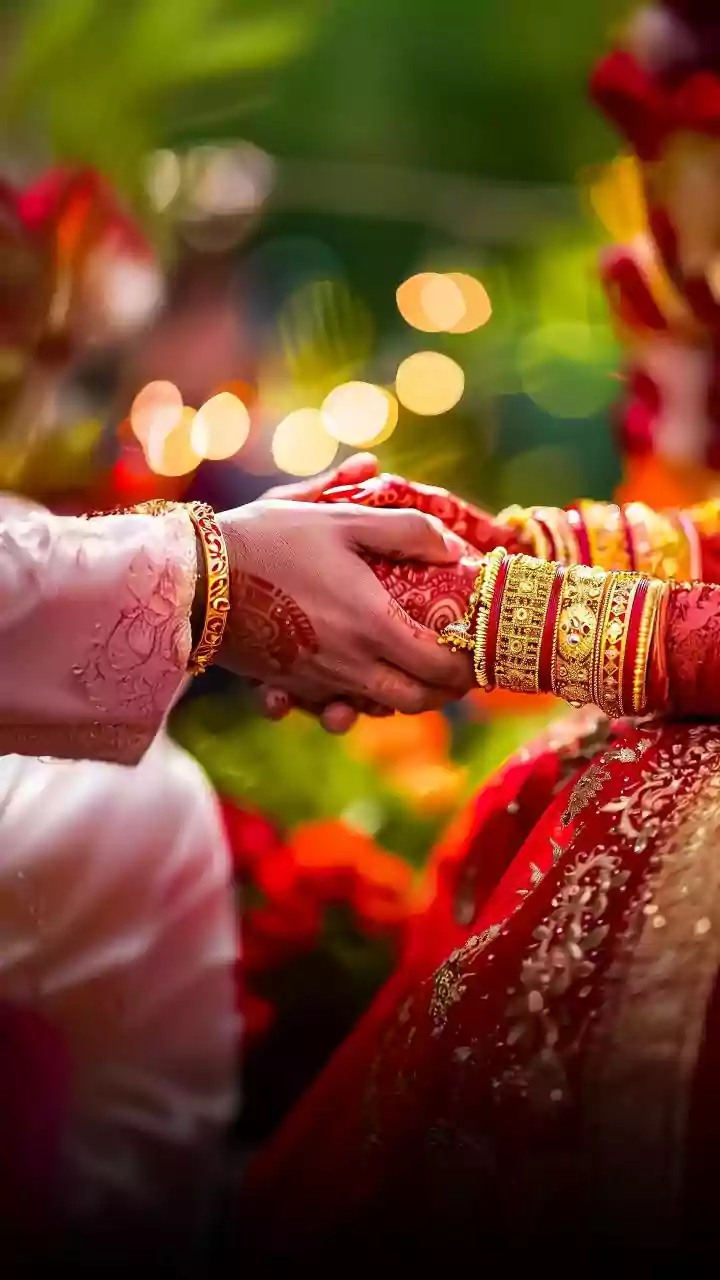
Beyond the immediate festive rush, the gold market is receiving substantial support from the upcoming wedding season, which is a primary driver of gold consumption in India. Weddings are estimated to account for about half of the country's annual gold demand, making it a critical pillar for the industry. This year, jewellers are reporting a strong pipeline of advance orders for bridal jewellery. This trend of booking in advance is a key indicator of consumer confidence, suggesting that families are planning significant purchases and are willing to commit funds early to lock in designs and protect against potential price rises. The close proximity of Diwali to the start of the winter wedding season created a powerful dual driver for demand.
Price Stability Attracts Buyers
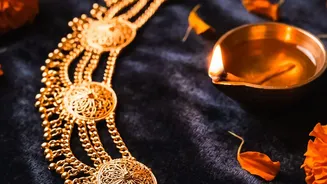
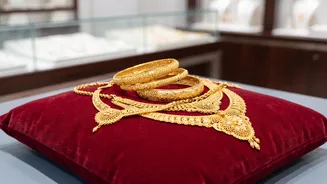
After reaching an all-time high earlier in the year, domestic gold prices saw a welcome softening ahead of the peak buying season. In the month leading up to Diwali, prices corrected significantly, making the precious metal more affordable for many. While prices remain elevated compared to last year, the recent stability has given consumers the confidence to buy. This price environment has also influenced purchasing habits. Many buyers are opting for lightweight and studded jewellery, allowing them to stay within their budgets while still making a traditional purchase. According to industry leaders, design and versatility are becoming increasingly important factors for consumers.
Shifting Patterns and Rural Outlook
While the overall mood is optimistic, the market is not without its complexities. The World Gold Council noted that overall demand for the full year might be lower than previous years due to the high prices seen earlier in 2026 and a weaker monsoon impacting rural incomes. More than half of India's gold demand traditionally comes from rural areas, where jewellery is a key form of savings. However, the current festive demand has shown resilience, with encouraging signs of growth in Tier-2 and Tier-3 cities. Furthermore, there is a clear trend towards value over volume, with consumers buying lighter pieces or exchanging old gold to fund new purchases. This shift has allowed the total value of sales to grow even if the total weight sold sees modest changes.