



The Undisputed Reign of Sweets
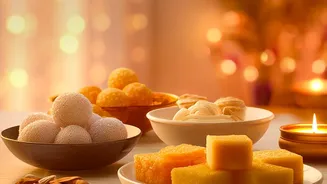
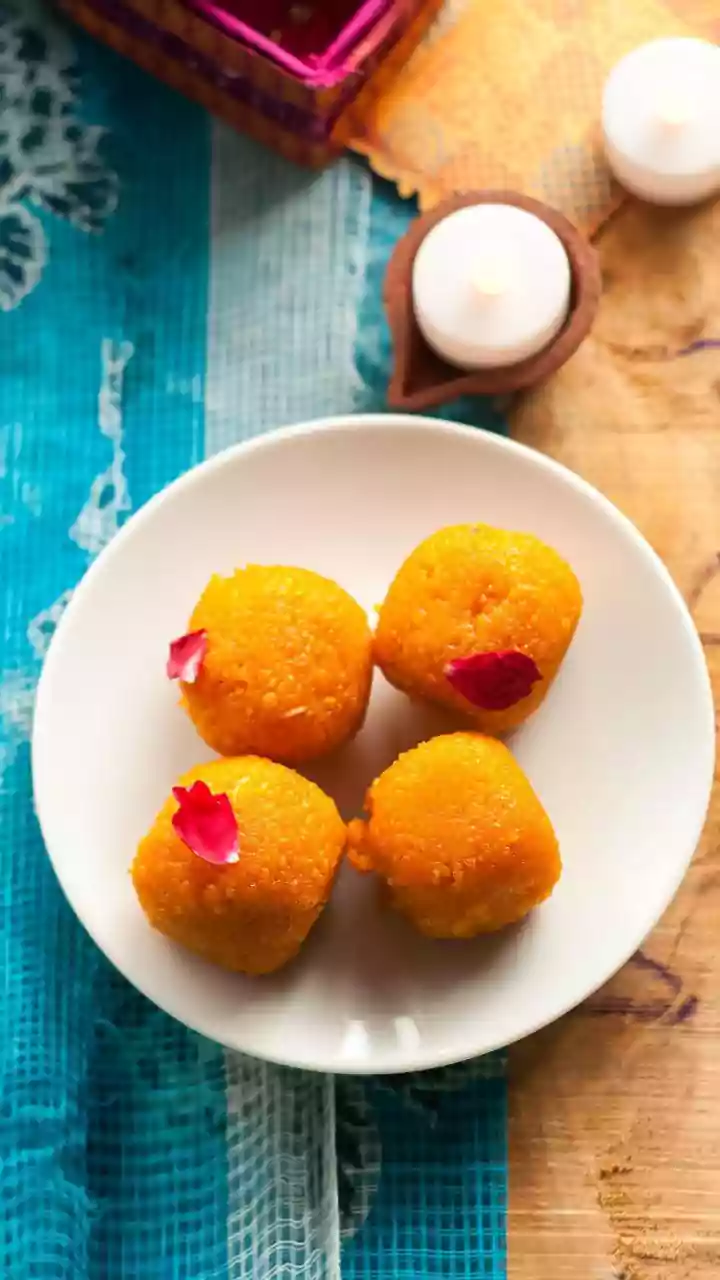
Let's be clear: Diwali is incomplete without mithai. These sweets are not just treats; they are symbols of joy, prosperity, and goodwill. Exchanging beautifully decorated boxes of kaju katli, soan papdi, and gulab jamun is a cherished tradition that strengthens
community bonds. The first batch of homemade sweets is often offered to the gods during Lakshmi Puja before being shared with family and friends, signifying blessings and the sweetness we hope for in the year ahead. This rich tradition, passed down through generations, firmly places mithai at the heart of the celebration.
A Necessary and Savoury Balance
While sweets represent joy, it's the savoury snacks that bring balance to the Diwali feast. In Indian cuisine and philosophy, balancing flavours is key, and food often mirrors the dualities of life. After indulging in rich, sugary mithai, the palate craves something different. This is where namkeen comes in. The spicy, tangy, and salty notes of snacks like chakli, mathri, and chivda cut through the sweetness, cleanse the palate, and prepare you for the next festive delight. They ensure the culinary experience never becomes monotonous, providing a crucial counterpoint that makes the entire spread more satisfying.
The Social Snack for Every Occasion
Beyond the dining table, savoury snacks are the fuel for Diwali's social life. The festival is a time for visiting friends and family, and long evenings are often spent in lively conversation or engrossed in card games. These are the moments where a bowl of spicy mixture or a plate of hot samosas becomes essential. Unlike a formal meal, namkeen is easy to serve and share, making it the perfect accompaniment for casual gatherings. Offering guests a variety of savoury bites is a fundamental gesture of hospitality in Indian culture, a sign of warmth and welcome that keeps the festive spirit alive throughout the day and night.
A Labour of Love and Tradition
Much like mithai, many savoury Diwali snacks are the product of age-old family recipes and communal effort. Weeks before the festival, kitchens in many homes buzz with activity as families gather to prepare jars full of namkeen. The process of making intricate spirals of murukku, flaky mathri, or diamond-shaped namak pare is a cherished ritual. This act of cooking together is a celebration in itself, a way to preserve culinary heritage and pass down traditions. The fact that these snacks are made with such care and stored for days to be shared with all who visit elevates them far beyond being a simple tea-time accompaniment; they are a taste of home and a symbol of togetherness.
A Tour of India's Festive Crunch
The diversity of India is beautifully reflected in its range of Diwali namkeen. In the North, you'll find flaky mathri and salty namak pare, perfect with a cup of chai. Western India, particularly Gujarat and Maharashtra, boasts a tradition of 'farsan', featuring snacks like crispy chakli, poha chivda, and shankarpali. Down South, the unmatched crunch of murukku, made from rice flour, is a festive must-have. And from the East come treats like nimki, a diamond-shaped cracker that adds its own unique flavour to the celebration. Each region offers a different texture and spice profile, from the hearty filling of a samosa to the light airiness of puffed rice mixtures, making the world of savoury snacks as rich and varied as the festival itself.