






The Hunt: Finding Your Brass Treasure
The first step is a treasure hunt. Head to your local flea market, kabadiwala, or antique shop with an open mind. Don't be deterred by dirt or tarnish; that’s where the hidden gems lie. Look for traditional Indian brass (or 'pital') vessels with interesting
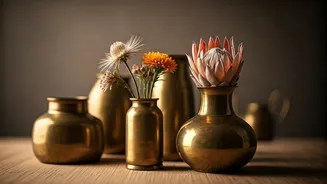
shapes and, most importantly, a stable base. The most versatile options are items like the classic 'lota' (water pot), which has a beautiful rounded shape, or a 'parat' (a wide, flat plate with a rim) if you want a larger surface. Even old tiffin carriers or lamps can be repurposed. The key is structural integrity. Tap the vessel to check for cracks and ensure it sits flat without wobbling. Vessels with a wider base, when inverted, provide more stability for your future plant stand. The weight is also a good sign; heavier brass is often older and of better quality.
From Grime to Gleam: The Polishing Process
This is where the magic happens. Bringing a tarnished piece of brass back to its golden glory is deeply satisfying. You have several options for cleaning. For a natural approach, a paste of lemon juice and salt, or tamarind paste (imli), works wonders. Apply the paste generously, let it sit for about 30 minutes, and then scrub gently with a soft cloth or a non-abrasive brush. For tougher grime, a commercial polish like Brasso is highly effective. Always test a small, inconspicuous area first. Wear gloves to protect your hands. The goal isn't necessarily a perfect, factory-new shine. Sometimes, a little bit of patina left in the crevices adds character and tells the story of the vessel's past life. Once cleaned and rinsed, dry it thoroughly with a soft cloth to prevent water spots.
The Transformation: Creating the Stand
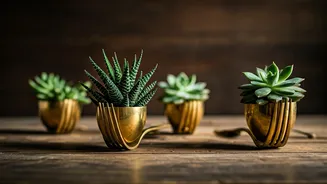
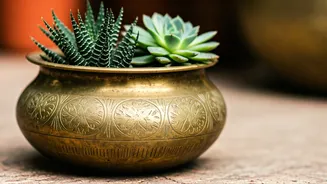
With your vessel now gleaming, the conversion into a botanical stand is surprisingly simple. For most vessels like a lota or a small ghada, the easiest method is to simply invert it. The flat bottom becomes a sturdy top for a small potted plant. Ensure the pot's base is smaller than the stand’s surface for stability. If the vessel's original base is too narrow when inverted, consider getting a small circular piece of wood, marble, or even stone cut to size to place on top. You can either glue it for a permanent fix using a strong adhesive or simply let it rest on top for a more versatile piece. For wide vessels like an urli or parat, you don't even need to flip them. You can place a cluster of small pots directly inside, creating a beautiful miniature garden.
Choosing Your Botanical Partner
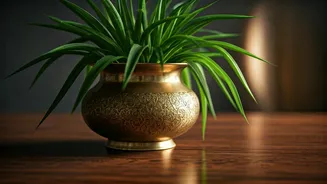
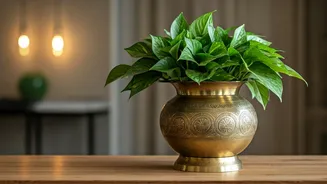
The warm, golden hue of polished brass pairs beautifully with the lush green of houseplants. The type of plant you choose can define the stand's aesthetic. For a dramatic, trailing effect, consider a Money Plant (Pothos) or an English Ivy, allowing its vines to cascade down the sides of the brass vessel. For a more sculptural, modern look, a Snake Plant or a small ZZ plant offers clean, vertical lines that contrast wonderfully with the rounded shape of a lota. Small ferns, with their delicate fronds, add a touch of softness. When choosing a pot, opt for a simple terracotta, ceramic, or black pot to let the brass stand be the hero. Ensure your pot has drainage holes and a saucer to catch excess water, protecting your brass from moisture damage.
Styling Your Creation in Your Home
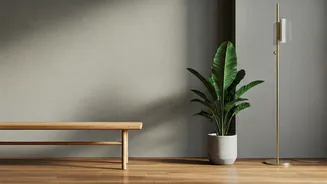
Your unique, upcycled stand is now ready for its debut. These stands are incredibly versatile. A single, tall stand can elegantly fill an empty corner in your living room. A pair of shorter stands can flank a sofa or a console table, adding symmetry and a touch of metallic warmth. Create a 'green corner' on your balcony by grouping stands of different heights. Place one on a bookshelf to elevate a small plant and break the monotony of book spines. The beauty of this project is its blend of old and new—the traditional Indian craftsmanship of the vessel meets the modern, biophilic design trend. It's more than just a plant stand; it's a conversation starter and a piece of history, reimagined by you.