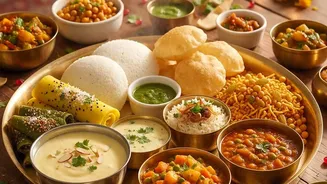



As temperatures drop, our bodies crave warmth and nourishment. Traditional Indian winter foods offer just that, blending taste with nutrition that has been perfected over generations. Here is how you can embrace seasonal eating for a healthier winter.
Embrace Warming Grains
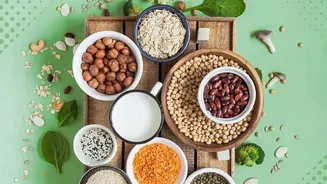
Millets like bajra (pearl millet) and makki (maize) are staples for a reason. Bajra is considered a 'warming' food because it generates heat during digestion, helping to maintain body temperature. Rich in fibre, magnesium, and iron, these grains provide sustained energy, prevent midday slumps, and support bone health. Swapping your regular wheat rotis for bajra or makki ki roti is a simple way to incorporate these nutritious grains. They pair perfectly with winter dals and sabzis, and their high fibre content aids digestion, which can be sluggish in colder weather.
The Power of Leafy Greens
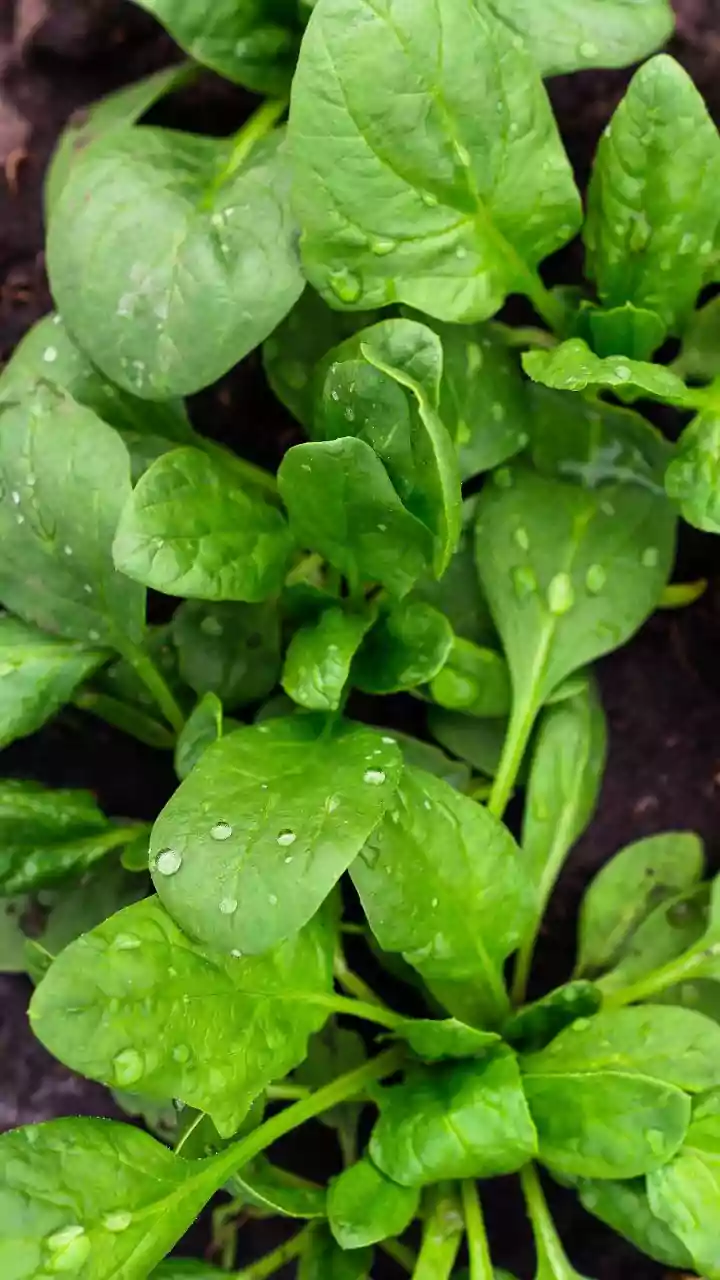
Winter brings an abundance of fresh, leafy greens like sarson (mustard leaves), methi (fenugreek), palak (spinach), and bathua. Sarson ka Saag, a Punjabi delicacy, is not just comfort food; it's a nutritional powerhouse. Mustard greens are packed with vitamins A and C, iron, and antioxidants that help boost immunity and improve blood circulation. Methi is known for its ability to help regulate blood sugar, while spinach remains a reliable source of iron and folate. Including a variety of these greens ensures you get a wide spectrum of essential nutrients.
Root Vegetables for Warmth and Health
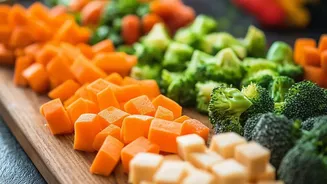
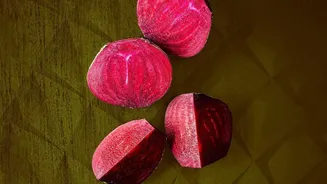
Markets are flooded with colourful root vegetables like carrots, radishes, beetroots, and turnips during winter. These vegetables grow underground, absorbing a high concentration of nutrients from the soil. Carrots are an excellent source of beta-carotene and Vitamin A, essential for skin health, which often turns dry in winter. Beetroot is loaded with antioxidants and iron that help improve stamina and blood flow. You can add them to salads, soups, or traditional dishes like Gajar ka Halwa, which, when made with jaggery and a moderate amount of ghee, can be a nourishing treat.
The Goodness of Ghee and Jaggery
Ayurveda has long praised ghee for its health benefits, especially in winter. Ghee is a healthy fat that helps in the absorption of fat-soluble vitamins like A, D, E, and K. It provides lubrication for the joints, nourishes the skin from within, and is considered a warming food that aids digestion. Jaggery (gur) is a traditional winter sweetener rich in iron and other minerals. It helps generate body heat and is known as a cleanser, purifying the blood. Sweets like Gond ke Laddu and Panjiri, made with ghee, whole wheat flour, nuts and jaggery, are energy-dense snacks that boost immunity and provide warmth.
Immunity Boosting Fruits and Spices
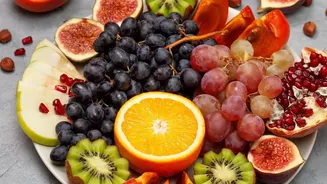
Winter is the season for citrus fruits like oranges and kinnow, as well as amla (Indian gooseberry), all of which are incredibly rich in Vitamin C. This vitamin is crucial for strengthening the immune system and fighting off common winter illnesses like colds and flu. Warming spices such as ginger, turmeric, and pepper are also vital. Ginger aids digestion and soothes sore throats, while turmeric is a powerful anti-inflammatory. A cup of turmeric milk (haldi doodh) before bed is a timeless remedy to boost immunity and ensure a good night's sleep.