




The Monsoon's Shortfall
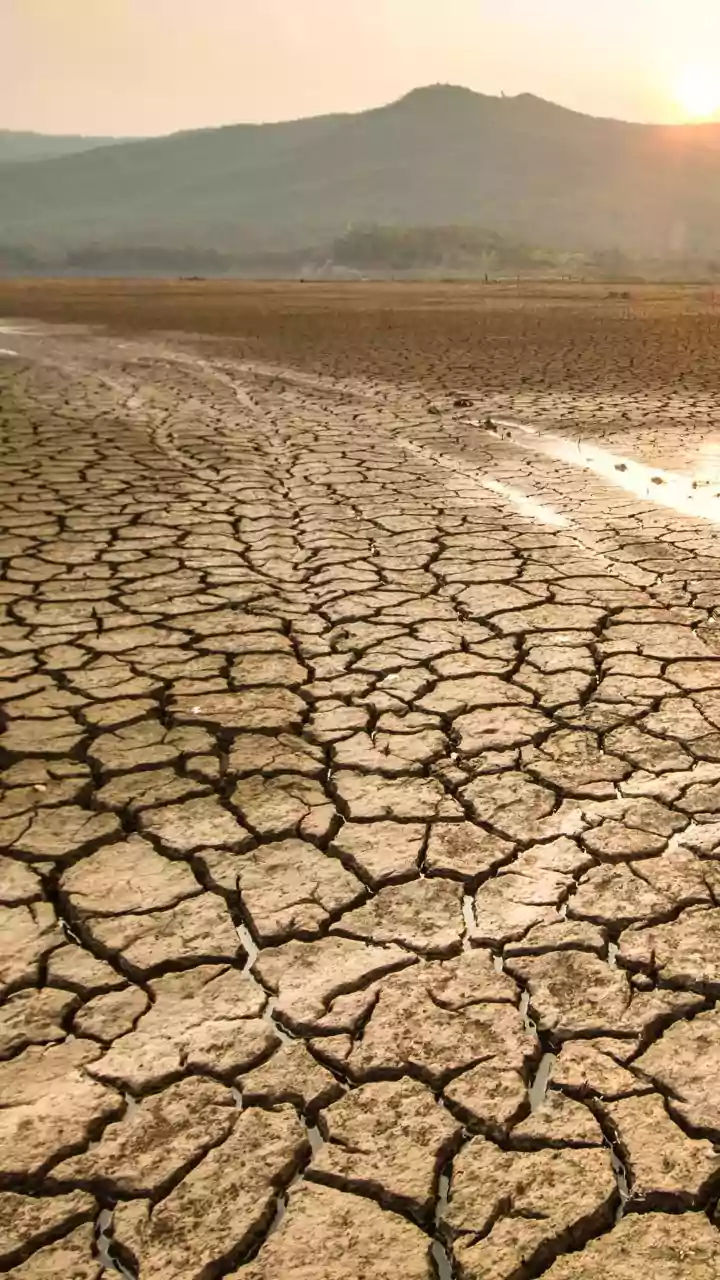
The southwest monsoon, the lifeblood of Indian agriculture, concluded in September 2026 with a significant deficit. Overall rainfall was reported to be around 13% below the long-period average, making it one of the weakest monsoons in recent years. The shortfall
was not uniform, with crucial pulse-growing regions in states like Maharashtra and Karnataka experiencing particularly dry conditions. This lack of adequate and timely rain has had a direct and damaging effect on soil moisture, a critical factor for farmers during the Kharif sowing season.
Sowing Seeds of Scarcity
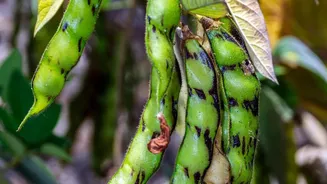
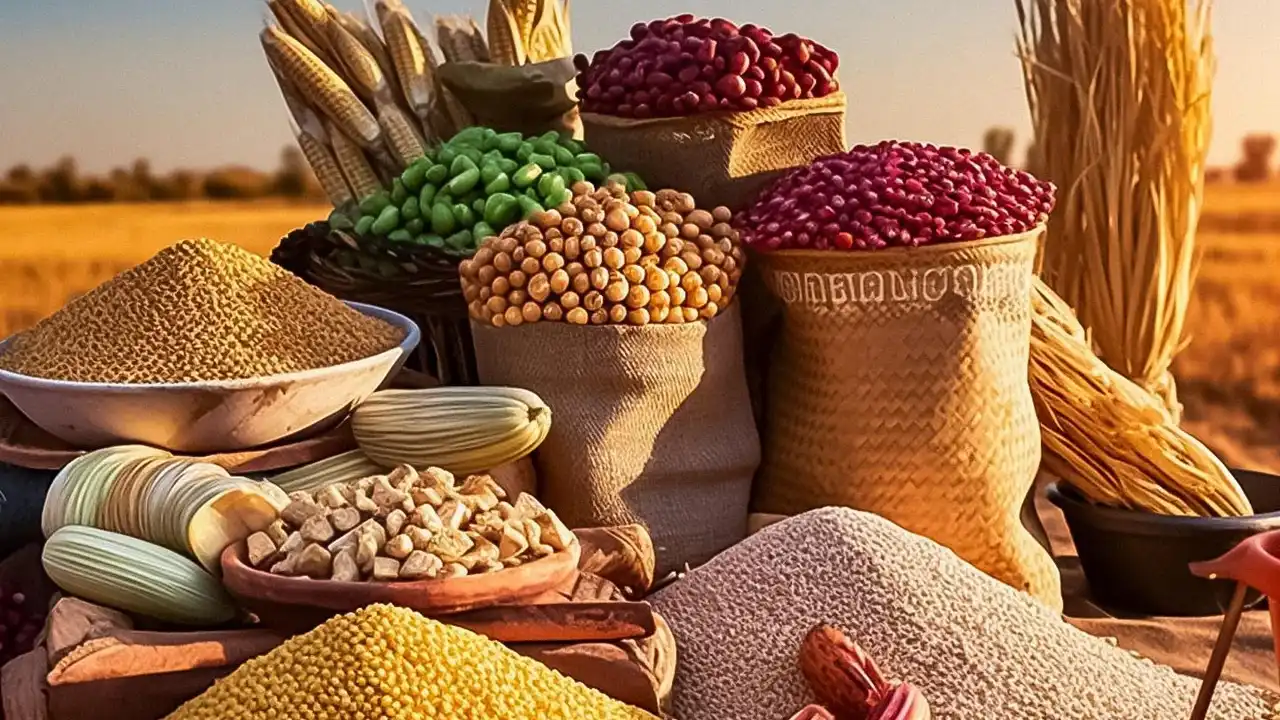
The direct consequence of the erratic monsoon is a noticeable drop in the cultivation area for key pulses. As farmers grappled with insufficient water, the acreage for major Kharif pulses saw a decline. Data from early in the season showed a significant drop in the sown area for tur (arhar) and urad dal. While some of this gap was narrowed by late-season sowing, the overall outlook remains stressed. Key states that are major producers of pulses like tur and urad reported a fall in sown area, setting the stage for a lower harvest than the previous year and falling short of production targets.
The Price on Your Plate
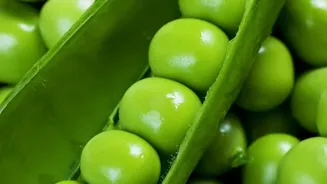
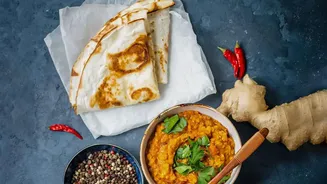
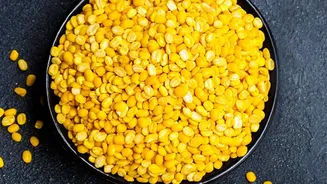
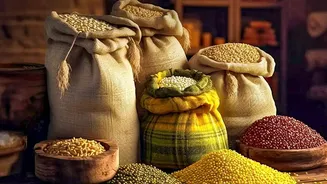
The impact of this agricultural shortfall is now being felt in kitchens across the country. Retail prices for several essential dals have been climbing steadily. Tur dal, a staple in many households, has seen its price rise by over 9% in the past year, with all-India average retail prices hovering around ₹125 per kg as of early October. Urad dal has also become more expensive, showing an 8% year-on-year increase. Market analysts and associations have noted monthly price jumps for tur, moong, and other pulses, attributing the trend directly to the poor monsoon and the anticipated supply crunch ahead of the festive season, a period when demand traditionally peaks.
Government's Balancing Act
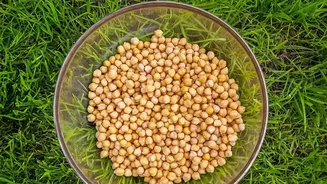
In response to the rising prices and looming scarcity, the government is taking steps to stabilise the market. One of the primary measures is to ease import regulations to augment domestic supply. New Delhi has kept the import of tur and urad in the 'free' category through March 2027 and is reportedly considering lowering import duties on other pulses like lentils and yellow peas. This is a delicate balancing act, as the government must ensure sufficient supply to keep consumer prices in check without discouraging local farmers, who will soon begin sowing the Rabi (winter) season pulse crops like chana (gram). Efforts are also underway to prevent hoarding and manage buffer stocks to release supplies into the market as needed.
A Look Ahead to Winter
The poor Kharif harvest has placed even greater importance on the upcoming Rabi season. However, the outlook is cautious. The same monsoon deficit that hurt summer crops has also left reservoir levels depleted and soil moisture low, which could pose a challenge for winter planting. Experts warn that this could impact the production of rabi pulses like gram, which accounts for a large portion of India's total pulse output. The entire situation highlights India's continued vulnerability to climate events like a weak monsoon, reinforcing the need for long-term strategies such as developing climate-resilient seeds and improving irrigation to secure the nation's food supply.