





Why The Shift to Culture?
The logic is simple and smart. While many destinations become difficult to access during the rains, others reveal a different, quieter character. Off-season travel means fewer crowds, lower prices, and a more intimate experience. [21, 39] For culture
vultures, this is the perfect time to explore India’s heritage without the peak-season rush. Imagine having a palace corridor almost to yourself or gazing at a masterpiece in a quiet gallery while the rain drums softly outside. This trend is less about avoiding the rain and more about embracing the unique atmosphere it creates in cities rich with history, art, and culinary delights. Recent travel search data confirms a growing interest in destinations that offer strong cultural and heritage experiences, even during the monsoon months. [23]
Udaipur, Rajasthan: Palaces in the Clouds
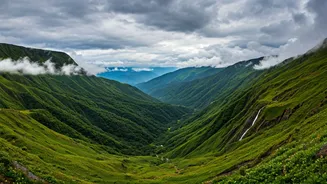
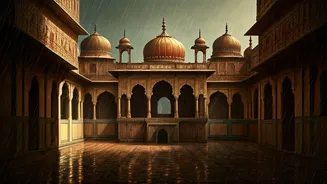
Rajasthan in the monsoon? Absolutely. The city of lakes transforms as the Aravalli hills turn a surprising shade of lush green and the lakes, including the iconic Lake Pichola, fill to the brim. [7, 38] While the summer heat dissipates, the city’s cultural treasures become the main event. You can spend hours exploring the vast City Palace complex, the intricate Bagore Ki Haveli, or the stunning Crystal Gallery, all without the sweltering heat or thick crowds. [38] The highlight is a trip to the Sajjangarh Fort, aptly named the Monsoon Palace. [8, 10] Perched on a hilltop, it was built specifically to watch the monsoon clouds roll in, and visiting during a rainy spell offers breathtaking panoramic views of the misty city below. [11, 12] The off-season also brings attractive deals on the city’s famous palace hotels, making a regal stay more accessible. [30, 39]
Hampi, Karnataka: Ruins Reimagined
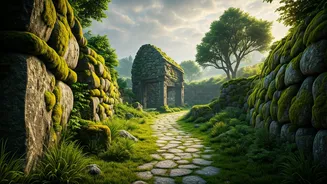
Hampi during the monsoon is an entirely different world from the sun-baked landscape most visitors see. From July to September, the iconic boulder-strewn terrain gets a dramatic makeover, with moss and lichen turning the ancient granite a deep, rich green. [9] The Tungabhadra river swells, and the banana plantations become intensely vibrant. [9] This is the quiet season, offering a level of solitude and intimacy with the UNESCO World Heritage site that is impossible during the crowded winter months. [9] All major monuments, including the Virupaksha and Vittala Temples, remain open, their stone carvings looking freshly washed and atmospheric under cloudy skies. [9, 18] It’s a dream for photographers and history lovers who want to experience the soul of the Vijayanagara Empire’s ruins without the distraction of crowds. Just be sure to wear sturdy footwear for the wet, ancient stones. [15]
Kolkata, West Bengal: The Intellectual's Rainy-Day Retreat
Known as India's cultural capital, Kolkata is arguably best experienced during the monsoon. The city’s colonial-era architecture, especially the magnificent Victoria Memorial, takes on a romantic, melancholic beauty in the rain. [19] This is the ideal time to dive into its intellectual side. Spend afternoons exploring the Indian Museum, browsing the countless bookshops on College Street, or café-hopping for adda and hot chai. [17] A walk along a rain-drenched Princep Ghat, with views of the Hooghly River, is a classic Kolkata monsoon experience. [17, 19] The rain encourages a slower pace, perfect for indulging in the city's legendary street food like hot chops and jhalmuri, which are quintessential Bengali monsoon snacks. [19]
Orchha, Madhya Pradesh: A Hidden Medieval Gem
For those looking to truly get off the beaten path, the medieval town of Orchha in Madhya Pradesh is a revelation in the monsoon. What is often a dry, arid town becomes a lush green paradise as the Betwa River swells and the landscape is rejuvenated. [7, 25] The town’s magnificent Bundela-era forts, palaces, and cenotaphs (chhatris) stand dramatically against the dark monsoon sky, their stone appearing freshly scrubbed by the rains. [7, 25] Key sites like the Orchha Fort complex, the unique Ram Raja Temple, and the grand Chaturbhuj Temple are devoid of heavy tourist traffic, allowing for unhurried exploration. [27] The view from the rooftop of the Chaturbhuj Temple, looking out over a town cloaked in monsoon greenery, is an unforgettable sight. [25, 29]