






From Weather Report to Kitchen Budget
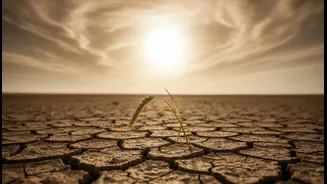
For decades, many viewed climate change as a distant, abstract threat. Now, its effects are landing directly on the kitchen table. Extreme weather events, made more frequent and intense by a warming climate, are no longer just news stories—they are a direct driver
of food inflation in India. Heatwaves, erratic monsoons, and unseasonal rains are damaging crops, creating supply shortages, and making staple foods more expensive for millions of households. The connection is simple: when extreme weather hits key agricultural regions, production drops, and prices for everyday essentials like tomatoes, onions, and potatoes shoot up. These are no longer temporary shocks but are becoming a persistent feature of our economy.
The Domino Effect on Your Dal and Sabzi
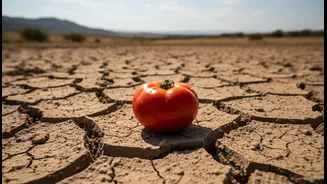
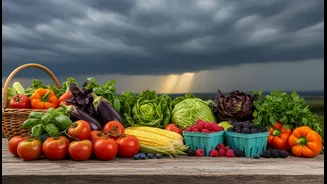
Consider the journey of India’s most essential vegetables. Recent years have provided stark examples of this new reality. Perishable crops like tomatoes and onions are highly sensitive to weather shocks. Heavy rains in major growing states like Karnataka and Himachal Pradesh have led to significant declines in tomato production, causing prices to spike dramatically. Similarly, unseasonal hailstorms in Maharashtra have damaged onion crops, while erratic rainfall and frost in West Bengal and Uttar Pradesh have hurt potato yields, keeping prices elevated for extended periods. It’s not just vegetables; staple grains are also at risk. Heatwaves have been shown to impact wheat yields, and deficit rainfall linked to phenomena like El Niño threatens the cultivation of rice and pulses. A study by the Reserve Bank of India even quantified this, suggesting that changes in temperature and rainfall can each raise vegetable inflation by over a percentage point.
A Disrupted Path from Farm to Plate
The problem extends beyond the fields. Extreme weather also disrupts the entire food supply chain. Flooding and storms can damage roads and interrupt transportation, delaying the arrival of produce to markets and increasing costs. Lack of adequate climate-resilient storage facilities, especially for perishable goods, means that a significant portion of the harvest can be lost before it even reaches consumers. These post-harvest losses are magnified during extreme weather events, further squeezing supply and pushing prices higher. For the small and marginal farmers who produce the majority of India's vegetables, these climate shocks are devastating, often leading to significant financial losses without adequate safeguards or infrastructure to protect their crops.
The New Normal for Household Budgets
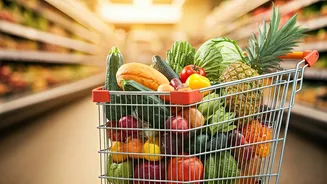
What this means for the average Indian family is greater unpredictability and a higher cost of living. With food and beverages accounting for nearly half of the consumer price index, these climate-driven price spikes have a significant and immediate impact on household budgets. What used to be considered temporary, seasonal price fluctuations are now becoming more frequent and prolonged, making it harder for families to plan their monthly spending. This isn't a one-off bad year; experts warn that this volatility is the new normal as climate change continues to unfold. This structural shift challenges policymakers who have historically treated food price spikes as temporary issues, forcing a rethink of how to manage inflation in an era of increasing climate instability.