








The Modern Reader's Dilemma
In today’s fast-paced world, finding the time to read is a significant challenge for many. The desire to keep up with bestselling non-fiction, classic literature, and industry-specific books clashes with demanding work schedules, long commutes, and the constant
pull of digital distractions. This isn't just a feeling; it's a documented trend. Many people buy books with the best intentions, only to see them pile up, creating a sense of 'reading guilt'. The result is that while the intention to read remains high, the actual practice dwindles, leaving a gap between the knowledge we want to acquire and the time we can realistically dedicate to it.
Enter AI-Powered Summaries
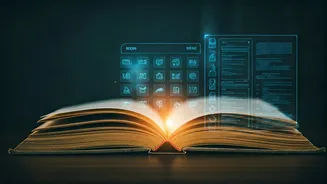
This is where AI note-takers and book summary services are making their mark. Apps like Blinkist and Headway, along with a host of newer AI-driven platforms, have a compelling offer: get the core ideas of a book in about 15 minutes. These tools use a combination of human editors and artificial intelligence to extract the main arguments, key takeaways, and actionable advice from lengthy books. Users can read or listen to these condensed versions, making it possible to 'read' a book during a commute or workout. The goal is not just to shorten the book, but to make its central ideas more accessible and efficient to consume.
A Gateway Back to Books?
Proponents argue that these tools aren't killing reading, but reviving it for a time-poor generation. For many, an AI summary serves as a powerful filter, helping them decide which books are worth the investment of a full read. It’s similar to how academic abstracts have always worked, allowing researchers to quickly survey a wide field of literature. By providing a taste of the author's arguments, these summaries can lower the barrier to entry, making the idea of starting a 300-page book less intimidating. They can also help readers stay current with trends in their field, consuming key insights from business or self-help books to remain competitive and informed.
The Controversy: Is It Really Reading?
However, the rise of AI summaries is not without its critics. A central concern is that it encourages shallow engagement with complex ideas. Reading a full book is an immersive experience that involves wrestling with an author's nuance, style, and the gradual unfolding of an argument. Critics worry that by reducing a book to bullet points, we lose the context, the storytelling, and the emotional journey that helps cement true understanding. Research has shown that relying solely on summaries can lead to shallower knowledge and a weaker grasp of the material compared to engaging with the original sources. The process of reading itself, the 'desirable difficulty', is what builds critical thinking skills, and outsourcing that effort to an AI might leave our cognitive muscles underused.
Finding a Healthy Balance
The most effective approach may not be to choose one over the other, but to find a balance. AI notes can be a powerful tool for discovery and efficiency when used correctly. They are excellent for pre-reading, helping you to triage your ever-growing reading list and identify the books that truly deserve your full attention. They can also be used for revision, quickly refreshing your memory of a book you've already read. The key is to view them as a supplement to, rather than a substitute for, deep reading. By using summaries to navigate the vast world of books, busy readers can more effectively choose where to invest their most valuable asset: their time and attention.