


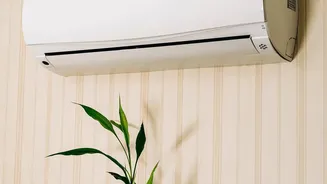

The Myth's Green Roots
The popular idea that houseplants are powerful air purifiers stems from a well-intentioned place: a 1989 NASA study. This research was designed to see if plants could help clean the air in sealed environments, like a space station. Scientists placed common
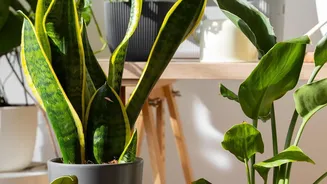
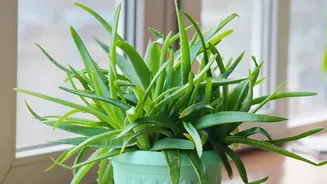
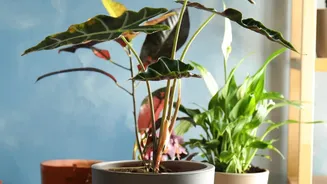
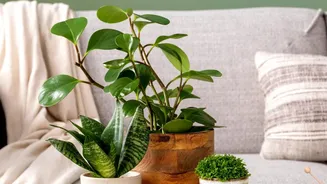
houseplants in small, airtight chambers and introduced pollutants like formaldehyde and benzene. The results were exciting; plants like the Peace Lily and English Ivy were shown to absorb a significant percentage of these volatile organic compounds (VOCs). This single study launched the 'air-purifying plant' trend that continues to this day, with many buying snake plants and spider plants specifically for their supposed air-cleaning abilities.
From a Sealed Lab to Your Living Room
The problem is that our homes are nothing like a sealed NASA chamber. Subsequent analysis of the research has shown that the air-purifying effect of plants in a normal home environment is practically negligible. A 2019 review of decades of research concluded that to get the same air-cleaning effect seen in the lab, you would need an enormous number of plants—somewhere between 10 and 1,000 plants per square meter of floor space. For a typical 1,500-square-foot home, that could mean having over 680 plants to make a meaningful difference. In reality, the natural air exchange that happens from opening doors, windows, and even small cracks in the building's structure does far more to remove pollutants than a few potted plants ever could.
What's Really Polluting Your Air?
To understand why ventilation is so important, it helps to know what's floating around in your home. The main culprits are often Volatile Organic Compounds (VOCs). These are gases released from thousands of common household products. Things like paints, cleaning supplies, air fresheners, new furniture, carpets, and even printers can 'off-gas' chemicals like formaldehyde, benzene, and toluene. These pollutants can accumulate indoors, with concentrations often being two to five times higher inside than outside. Long-term exposure to VOCs has been linked to a range of health issues, from respiratory irritation to more serious conditions affecting the liver, kidneys, and central nervous system.
The Real Solution: A Breath of Fresh Air
If plants aren't the answer, what is? The single most effective way to improve your indoor air quality is proper ventilation. This simply means exchanging stale, polluted indoor air with fresh outdoor air. The easiest way to do this is by opening your windows and doors for 10-15 minutes each day, even in colder weather. Creating a cross-breeze by opening windows on opposite sides of the house is particularly effective. Additionally, using spot ventilation like exhaust fans in your kitchen when cooking and in your bathroom when showering helps to remove moisture and pollutants at their source. These simple habits do vastly more to clean your air than any number of houseplants.
So, What Are Plants Good For?
This doesn't mean you should discard your leafy friends. While their air-purifying abilities may be overstated, the psychological and aesthetic benefits of indoor plants are well-documented. Studies have shown that interacting with plants can reduce stress and anxiety, improve your mood, and even boost focus. The simple act of caring for a plant—watering it, watching it grow—can be grounding and provide a sense of accomplishment. They add beauty, colour, and life to our spaces, making our homes more pleasant and calming environments. These are powerful benefits in their own right, and a fantastic reason to continue cultivating your indoor garden.