


The Protein-Packed Grocery Cart
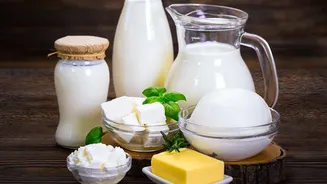
Walk through the refrigerated aisle of any urban supermarket, and the evidence is clear. Shelves once dominated by standard milk, butter, and dahi now feature an expanding array of value-added dairy options. Greek yogurt, with its high protein content,
has become a mainstream staple, available in numerous flavours and formats. Alongside it, you will find protein-fortified milkshakes, single-serving yogurt cups, and new varieties of paneer. This isn't just about adding new items to the shopping list; it's a fundamental change in consumer mindset. The focus has moved from dairy as a traditional dietary component to dairy as a functional food, specifically chosen to boost daily protein intake. The Indian high-protein dairy market is responding to this demand, with estimates suggesting significant growth in the coming years.
Why the Sudden Thirst for Protein?
Several factors are driving this dairy evolution. A growing awareness of health and wellness, particularly among urban populations, is a primary catalyst. Many Indians are learning that traditional cereal-heavy diets can be lacking in high-quality protein, and they are seeking convenient ways to fill that nutritional gap. While average protein consumption may seem adequate, a significant portion often comes from lower-quality cereal sources. This has created a market for accessible, high-quality protein sources. The rise of fitness culture and social media influencers has also played a major role, popularising protein-rich diets for muscle recovery and weight management. For busy professionals and families, fortified dairy products offer a quick and easy solution for a nutritious breakfast or snack without requiring significant changes to cooking habits.
From Paneer to Yogurt Bowls: How Kitchens Are Adapting
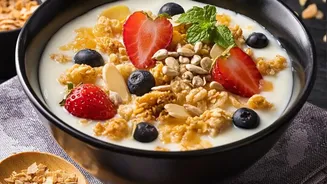
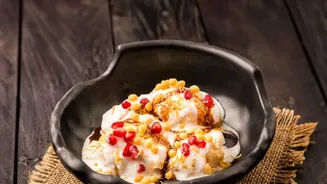
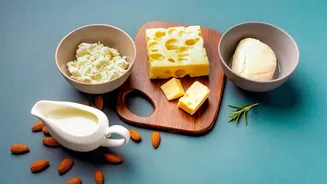
The humble paneer, a long-time vegetarian favourite, is experiencing a major resurgence. The market for paneer is projected to grow substantially, driven by its reputation as a familiar, reliable protein source. Consumers are now buying packaged, branded paneer, including fortified and low-fat versions, for quick and healthy meals. Similarly, Greek yogurt has moved beyond being a niche health food. It's used in breakfast bowls with fruit and nuts, blended into smoothies, or even used as a healthy dip. Major dairy players like Amul and Mother Dairy, along with brands like Epigamia that pioneered the category in India, are making these products more accessible and affordable, moving them from premium novelties to everyday essentials. Even cafe chains are getting in on the trend, launching protein-enriched drinks to cater to health-conscious customers.
The Future Is Value-Added and Protein-Rich
This trend is more than just a passing fad; it signifies a long-term evolution in Indian eating habits. Dairy has always been central to the Indian diet, but its role is now expanding. Consumers are no longer just passive recipients of what's available; they are actively making informed choices based on nutritional value. As disposable incomes rise and health literacy improves, the demand for value-added dairy products is set to continue its upward trajectory. Companies are responding by investing in innovation, launching products like high-protein ice creams and even exploring ways to utilize byproducts like whey. This alignment of consumer demand and industry innovation suggests that the protein-powered dairy aisle is here to stay, reshaping how India eats, one nutritious meal at a time.