
A Successful Splashdown
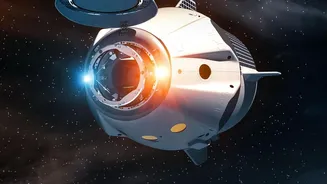
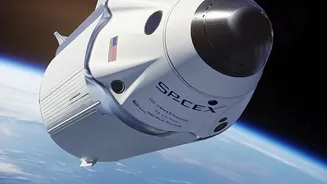
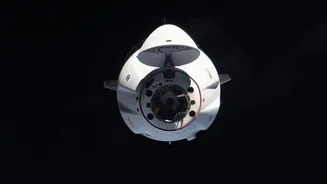
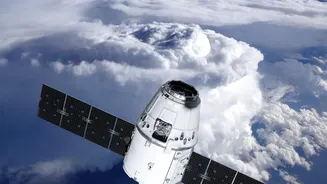
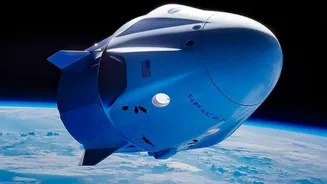
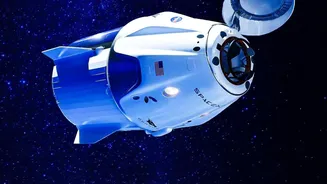
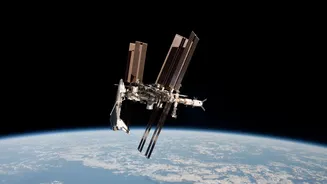
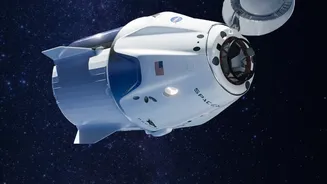
The uncrewed SpaceX Dragon spacecraft splashed down in the Pacific Ocean on November 21, concluding the CRS-35 commercial resupply mission for NASA. The capsule's journey began over a month ago, launching from Florida on October 13 with more than 6,300
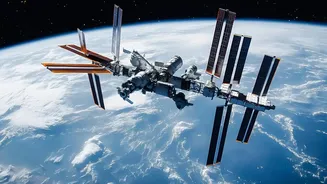
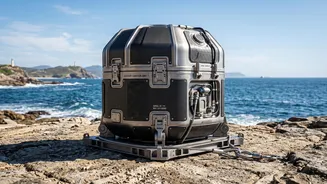
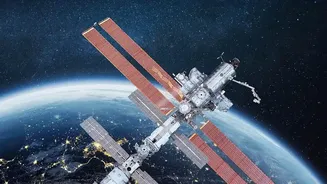
pounds of supplies and scientific equipment for the astronauts aboard the International Space Station (ISS). While the delivery was vital for station operations, the return trip is arguably the most critical part of the mission. The Dragon is currently the only cargo vehicle capable of bringing a significant volume of research material back to Earth intact, making it an indispensable tool for space-based science. A recovery team was on standby to retrieve the capsule and quickly transport its time-sensitive contents to researchers.
The Precious Cargo: Cells from Space
Among the most anticipated items returning from orbit are cryogenically frozen samples of human cells grown in the station's microgravity environment. These include tumor organoids, which are miniature, lab-grown models of cancerous tissues. While on the ISS, astronauts treated these organoids with experimental cancer drugs to observe how the cells responded in a weightless environment. Also on board were hematopoietic stem cells—the type of cells that produce red and white blood cells—and 3D-bioprinted blood vessel tissues. These experiments are designed to shed light on everything from cancer treatment and cardiovascular disease to how the human body ages.
Why Grow Cells in Microgravity?
Growing cells on Earth is typically done in flat petri dishes, a two-dimensional environment that doesn't fully replicate how they behave inside the human body. Gravity causes cells to settle and flatten. In the microgravity of the ISS, however, this limitation disappears. Cells can grow into more complex, three-dimensional structures that more closely mimic human tissues and organs. This 3D growth provides scientists with a much more accurate model for studying disease progression and testing new drugs. Furthermore, some research suggests that stem cells grown in space maintain their 'stemness'—their ability to differentiate into other cell types—more effectively than their Earth-bound counterparts, which is a major advantage for developing regenerative therapies.
Unlocking Breakthroughs on Earth
Now that the samples are back, the real work begins. Scientists will analyze the returned tumor organoids to see how they reacted to cancer therapies, which could lead to more effective and personalized treatments for patients. The bioprinted blood vessels will be examined to better understand cardiovascular disease and the aging process. The potential applications are vast. Research conducted on the ISS has already shown promise for advancing treatments for blood cancers, spinal cord injuries, and heart damage. By studying how cells function without the influence of gravity, researchers can uncover fundamental biological mechanisms that are otherwise hidden, accelerating the pace of medical discovery.