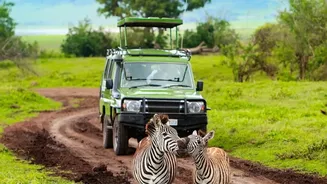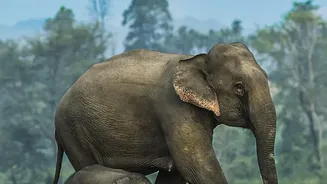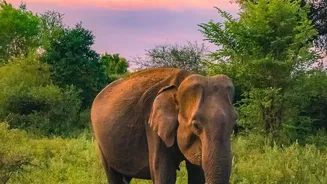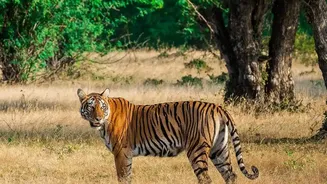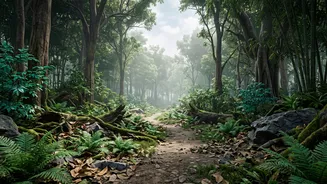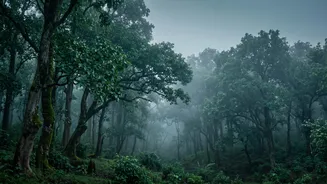





The Indian jungle transforms after sunset, especially during the crisp chill of winter. For years, night safaris in select buffer zones offered a thrilling glimpse into this hidden world. However, the nature of this adventure has recently changed.
The Vanished Thrill of the Night Drive
Until
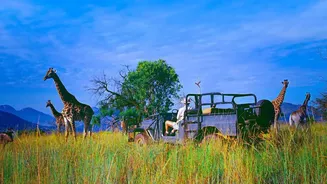
late 2025, a night safari was the ultimate adventure for many wildlife enthusiasts. As temperatures dropped, jeeps would venture into the buffer zones of famed tiger reserves like Tadoba, Pench, and Bandhavgarh after daylight hours. The experience was less about spotting tigers and more about encountering the forest's 'night shift'. With the aid of spotlights, visitors could catch the glint in a leopard's eye, the furtive movement of a civet cat, or the silhouette of a porcupine waddling across the track. The air, thick with the sounds of chirping crickets and the haunting calls of owls, offered a sensory experience entirely different from a daytime drive. These safaris provided a unique window into the behaviour of nocturnal creatures, which are often more active in the cooler winter months, making them a coveted cold-weather experience.
Why the Lights Went Out on Night Safaris
In a landmark decision in November 2025, the Supreme Court of India ordered a ban on all night tourism activities within the nation's tiger reserves, including their core and buffer zones. The ruling was based on recommendations from conservation bodies like the National Tiger Conservation Authority (NTCA), which argued that such activities caused undue stress on wildlife. Conservationists pointed out that vehicle lights and engine noise disrupt the natural hunting, foraging, and mating behaviours of nocturnal animals. The constant human presence, from dawn safaris to night drives, left animals with little undisturbed time. The court's decision aimed to re-establish these habitats as 'silence zones' after dark, prioritising the well-being and behavioural integrity of wildlife over tourism.
Winter's Magic: The Golden Hour Alternative
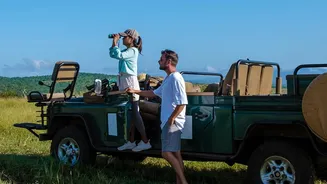
While the dedicated night safari is now a memory, the magic of the jungle at dusk is more accessible than ever, especially in winter. Forest departments adjust safari timings with the seasons. During the colder months, from October to February, afternoon safaris often conclude around sunset, between 6:00 PM and 6:30 PM. This 'golden hour' slot has become the new frontier for experiencing the shift from day to night. The pleasant weather encourages animals to be active, and the soft, angled light provides a spectacular setting for photography. This late afternoon drive allows you to witness diurnal animals preparing for rest and, if you're lucky, the first stirrings of the creatures of the night.
Tuning In to the Nocturnal World
Experiencing the night is no longer about seeing, but about listening and observing clues. As the evening safari draws to a close, ask your guide to pause for a moment of silence. The forest soundscape comes alive with the calls of nightjars and the distinct hoots of various owl species. You might hear the alarm calls of deer or monkeys, indicating a predator on the move in the growing darkness. Guides are skilled at spotting tracks and other signs of nocturnal animals like the Indian wolf, hyena, or the elusive pangolin. This approach fosters a deeper, more respectful appreciation for the rhythms of the forest, turning the end of a safari into a lesson in patience and sensory awareness. It's a different kind of thrill—one that relies on imagination and attunement rather than a spotlight.
Top Parks for Dusk and Dawn Experiences
The same parks once famous for night safaris remain prime destinations for rich crepuscular (dawn and dusk) experiences. Pench National Park, which once offered a 'Wolf Safari' at night, is still an excellent place to look for wolves and jackals during the final hours of daylight. Bandhavgarh and Kanha offer chances to spot jungle cats, owls, and civets beginning their nightly prowls. In Maharashtra, the buffer zones of Tadoba_Andhari Tiger Reserve, once a hub for night tours, now provide fantastic opportunities on late afternoon drives to see sloth bears and perhaps even a leopard preparing for its hunt as the sun sets. The key is to book any latest possible afternoon slot and communicate your interest in any forest transition to night with your guide.