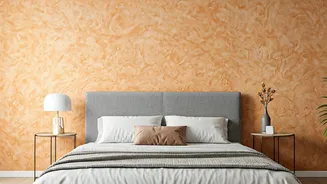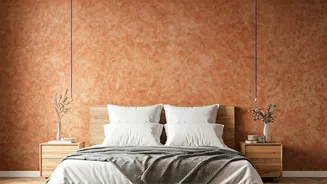





What is a Terracotta Clay Wash?
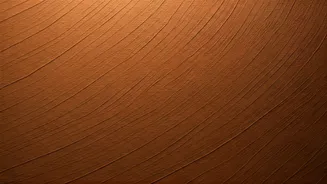
Think of it as paint’s earthy, sophisticated cousin. A terracotta clay wash is a type of natural wall finish made primarily from clay, minerals, and natural pigments. Unlike synthetic paints and wallpapers, it doesn't form a plastic-like film on your
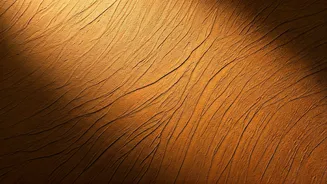
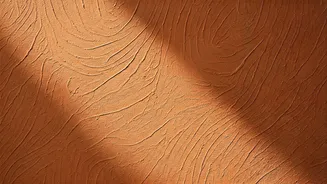
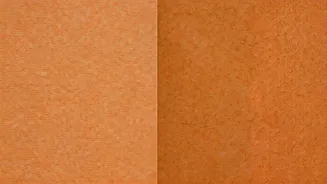
walls. Instead, it creates a breathable, matte surface with a soft, chalky texture and subtle variations in colour. The 'terracotta' refers to the warm, reddish-brown hues reminiscent of traditional earthen pots, but these washes are available in a wide spectrum of natural, earthy tones. It’s a finish that feels deeply connected to nature, bringing a sense of calm and organic beauty into a space that standard paint often struggles to replicate.
The Eco-Friendly Advantage Over Wallpaper
The headline’s bold claim has its roots in sustainability. Many conventional wallpapers, especially vinyl varieties, are made from PVC (polyvinyl chloride), a plastic that releases harmful volatile organic compounds (VOCs) into your home, both during and after application. The adhesives used can also contain chemicals. When it's time to redecorate, most old wallpaper ends up in landfills, where it doesn't biodegrade. Clay washes, on the other hand, are a game-changer. They are typically zero-VOC or very low-VOC, meaning they don’t pollute your indoor air. Made from natural, abundant materials, they are biodegradable and return to the earth without causing harm. Choosing a clay wash is a conscious decision to create a healthier home environment for your family and a lighter footprint on the planet.
A Unique and Timeless Aesthetic
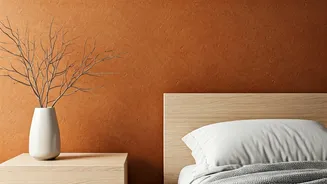
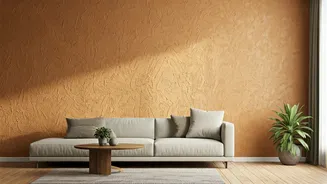
Beyond its green credentials, the appeal of clay wash is deeply visual and tactile. It imparts a depth and character to walls that flat paint cannot match. The finish is alive with subtle imperfections and tonal shifts, creating a surface that interacts beautifully with light throughout the day. This effect can evoke a range of styles, from the rustic charm of a Mediterranean villa to the minimalist serenity of Japanese wabi-sabi design. In an Indian context, it connects with a long tradition of using mitti (earth) in architecture, lending a sense of authenticity and groundedness to modern interiors. It's a look that doesn't scream for attention but provides a rich, textured backdrop that makes furniture and art pop.
Application: DIY or Call a Pro?
One of the best things about clay wash is its versatility in application. For a rustic, slightly uneven, and character-filled look, it can be a fantastic DIY project. Applied with a large, soft brush in criss-cross motions, you can build up layers to create a beautifully imperfect finish. This method is forgiving and celebrates the hand-made feel. However, if you are aiming for a smoother, more uniform appearance, or if you're covering a very large area, it might be wise to hire a professional. An experienced painter can apply the wash with a trowel to achieve a finish that resembles fine plaster. Either way, the preparation is key: the wall needs to be clean, dry, and primed appropriately for the best results.
Durability, Maintenance, and Cost
Clay-finished walls are surprisingly durable. The natural composition allows the walls to 'breathe,' meaning moisture can pass through rather than getting trapped. This helps in regulating humidity and naturally inhibiting the growth of mould and mildew—a huge plus in many Indian climates. For cleaning, gentle dusting or wiping with a slightly damp cloth is usually sufficient. It’s not as scrubbable as a high-gloss synthetic paint, so it’s best for living rooms, bedrooms, and areas without heavy-duty wear and tear. Cost-wise, a good quality clay wash can be comparable to or slightly more expensive than premium paint or designer wallpaper. However, its longevity and timeless appeal often make it a worthwhile investment in the long run, saving you from the cycle of frequent repainting or wallpaper changes.