



The Ultimate Space-Saving Solution
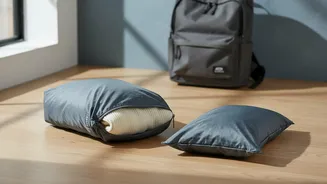
The primary and most celebrated benefit of a compression bag is its ability to dramatically reduce the volume of soft, bulky items. For a backpacker carrying a puffy jacket for cold nights, a sleeping bag for camping, or even a stack of warm sweaters,
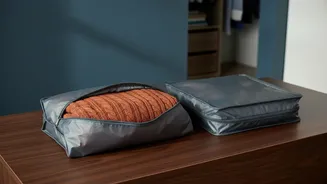
these items are notorious space hogs. A compression bag works by allowing you to place these items inside and then remove the excess air, shrinking the contents significantly. Some bags use a vacuum or a small hand pump, while others are designed to have the air rolled out manually before sealing. This process can reduce the volume of your clothing and gear by up to 60 percent, freeing up an incredible amount of room in your backpack for other essentials.
Organization That Goes Beyond Cubes
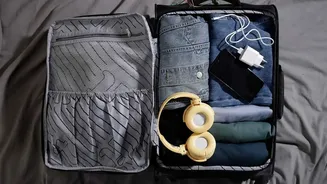
While standard packing cubes are excellent for organization, they don't typically offer much in the way of space saving. Compression bags provide the best of both worlds. They function as hyper-efficient packing cubes, allowing you to compartmentalize your gear. You can dedicate one bag for warm layers, another for sleeping gear, and another for dirty laundry. This not only keeps your pack tidy and makes finding items effortless, but it also contains odors and moisture. Separating soiled clothes from clean ones is a simple but vital need on a long trip, and the airtight seal of a compression bag is far more effective at this than a simple mesh cube.
Essential Protection From The Elements
Backpacking often involves unpredictable weather and rugged conditions. A sudden downpour or a leaky water bottle can spell disaster for your down sleeping bag or electronics. Because most compression bags are made of durable, waterproof plastic, they create an airtight and watertight seal. This adds a crucial layer of protection for your most important gear. If you’re caught in the rain, you can have peace of mind knowing your spare clothes and sleeping essentials will be dry when you make it to camp. This protective quality makes them indispensable for outdoor adventurers and anyone traveling to destinations with volatile weather.
Solving the 'Heavy But Light' Paradox
The phrase 'heavy equipment, light travel' perfectly captures the modern backpacker's dilemma. You need gear that can perform, but you don't want to be weighed down. Compression bags are the bridge. While they don't reduce the weight of your items—a common misconception—they manage the volume so effectively that your entire pack becomes smaller, more streamlined, and easier to carry. A less bulky pack feels lighter and is less cumbersome on trails, in crowded buses, or on budget flights with strict carry-on limits. By condensing items like insulated jackets and sleeping bags, you can fit the 'heavy' gear you need into a 'light' travel philosophy.
Making the Right Choice
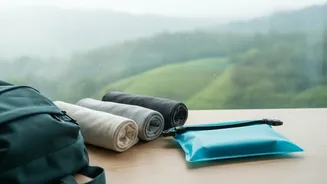
Not all compression bags are created equal. For backpacking, roll-up style bags that don't require a pump or vacuum are generally the most practical. You simply roll the bag to push air out through a one-way valve. Some travelers express concern about clothes becoming wrinkled, which is a valid point. The tight compression can cause creasing. To mitigate this, rolling clothes before placing them in the bag can help, as can packing wrinkle-resistant fabrics. For many backpackers, a few wrinkles in a t-shirt is a small price to pay for the immense space savings and organization that allow for a more efficient and enjoyable journey.