

A Moon with a Mysterious Ocean
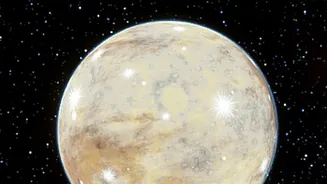
Europa has long been a top target in the search for life beyond Earth. Roughly the size of our own Moon, it is covered by a shell of ice that could be miles thick. Data from the Galileo mission in the 1990s provided strong evidence that a global, liquid
water ocean is hiding underneath this icy crust. Where there is liquid water on Earth, there is life, which makes Europa one of the most compelling places to look for potentially habitable environments in our solar system. The Europa Clipper mission, which launched in October 2024, is humanity's most advanced attempt yet to investigate this mysterious world.
The Robotic Detective on the Case
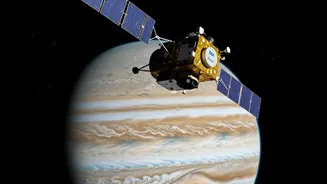
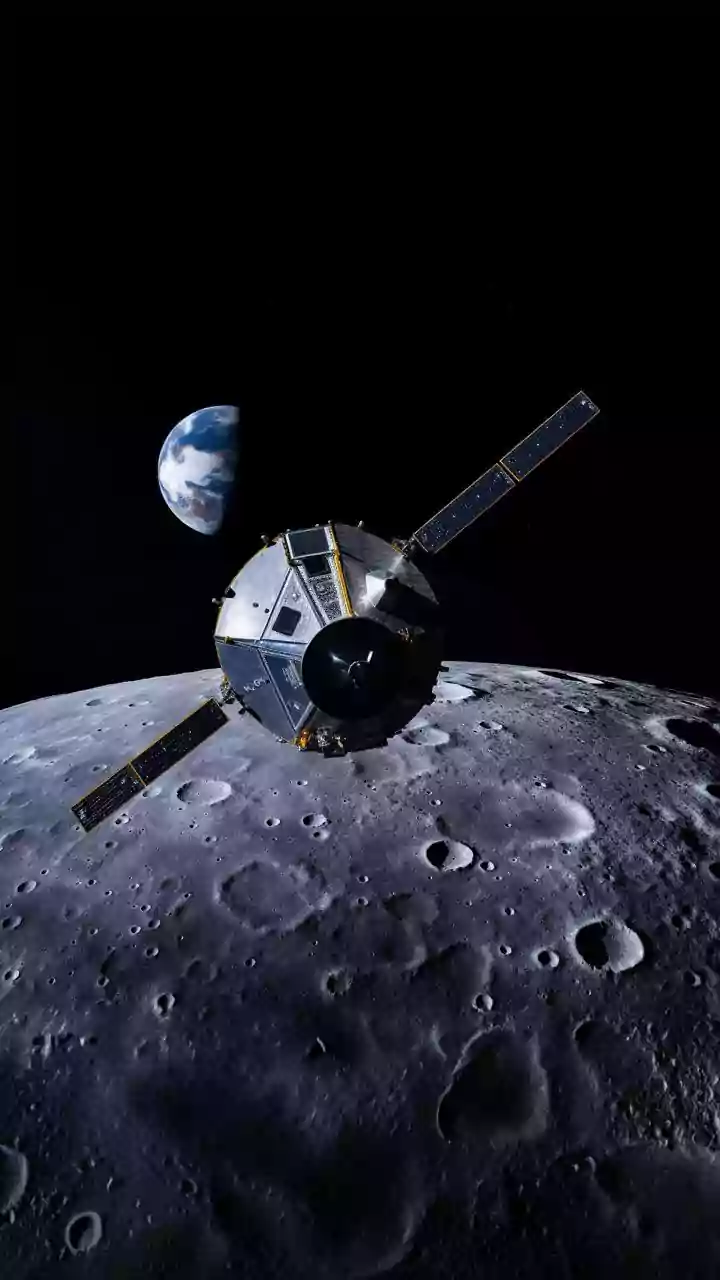
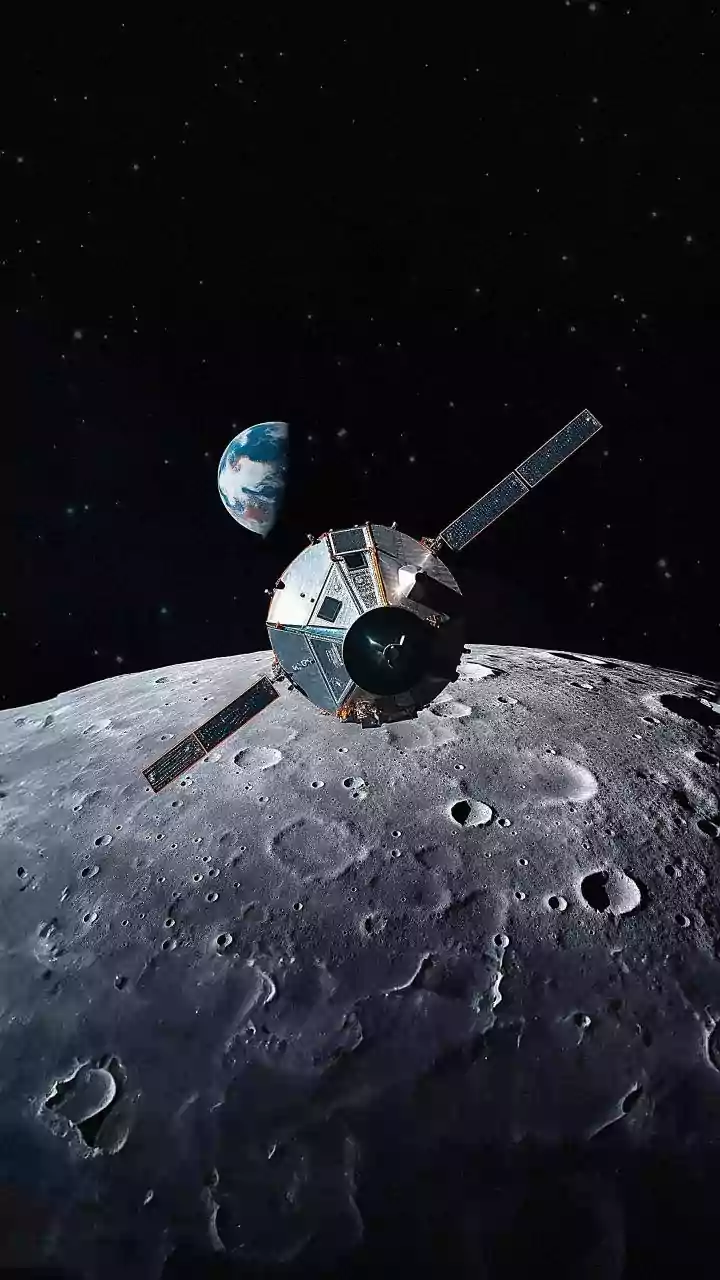
Europa Clipper is not designed to find life directly. Instead, its primary goal is to determine if the moon has the right conditions for life, a concept scientists call habitability. After arriving in the Jupiter system in 2030, the spacecraft will not orbit Europa itself due to the planet's intense radiation. Instead, it will orbit Jupiter and perform approximately 50 close flybys of Europa, some as low as 25 kilometers above the surface. This strategy allows the craft's nine advanced instruments to gather detailed data while minimizing exposure to the harsh radiation environment.
Seeing the Unseen Ocean
So how do you study an ocean you can't see? The Clipper will use several clever techniques. Its ice-penetrating radar, named REASON, is designed to beam radio waves through the ice shell to measure its thickness and search for the ocean below. It may even spot pockets of water trapped within the ice. A magnetometer will measure the strength and direction of Europa's magnetic field. Because a salty ocean would distort Jupiter's magnetic field in a predictable way, these readings can help confirm the ocean's existence, estimate its depth, and even gauge its saltiness.
Sniffing for Clues in Space
Some of the most exciting data could come from material ejected from the moon itself. Scientists hope that plumes of water vapor might be erupting from cracks in Europa's ice, similar to those seen on Saturn's moon Enceladus. Two instruments, a mass spectrometer and a dust analyzer, are designed to collect and analyze any gases or ice grains the spacecraft flies through. These tools will study the chemical composition of the material, searching for the essential chemical building blocks for life, known as organics. By sampling this material, Clipper could get a direct taste of the ocean's chemistry without ever touching it.
Building a Picture of Habitability
The key ingredients for life as we know it are liquid water, essential chemistry, and a source of energy. Clipper's mission is to determine if Europa possesses all three. The radar and magnetometer will characterize the water. The spectrometers will analyze the chemistry. Other instruments will map the surface geology and search for hotspots, which could indicate energy being released from the moon's interior, possibly through tidal flexing caused by Jupiter's immense gravity. By combining all this data, scientists will build the most complete picture yet of Europa, helping them to assess whether its hidden ocean is a place where microbial life could potentially thrive.