




Why Monsoon is a Paw Problem
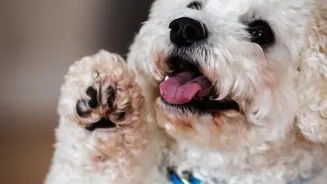
During the Indian monsoon, humidity levels can soar above 80%. This high moisture content in the air means that your dog's fur and paws don't dry properly after a walk. The spaces between their toes and paw pads trap moisture, creating a warm, damp environment
that is ideal for the rapid growth of fungi like yeast. These fungi naturally live on a dog's skin, but their overgrowth leads to irritation, inflammation, and painful infections. Urban environments, with their paved surfaces and unavoidable puddles, mean paws are constantly exposed to water and grime, increasing the risk.
Hack 1: The Post-Walk Paw Ritual
This is the most critical habit to build. After every single walk, you must clean and thoroughly dry your dog’s paws. Leaving them damp is an open invitation for infection. Use a clean, absorbent microfiber towel and be meticulous about drying between each toe. For city dogs who walk through dirty puddles, a gentle wipe with a pet-safe wet wipe or a quick rinse with lukewarm water before drying is a good idea. Setting up a 'clean-up station' by the door with a towel and wipes can make this non-negotiable step a quick and easy routine.
Hack 2: Keep Paw Fur Trimmed
Excess fur between the paw pads acts like a sponge, trapping mud, moisture, and debris. This not only makes drying them difficult but also reduces airflow, worsening the humid conditions that fungi love. Keeping the hair around and between the paw pads neatly trimmed is a simple grooming hack that makes a huge difference. It allows the paws to dry faster and makes it easier to spot any early signs of trouble, like redness or foreign objects lodged between the toes.
Hack 3: Harness the Power of Antifungal Powders
For dogs prone to skin issues, a preventative approach is best. After ensuring the paws are completely dry, a light dusting of a vet-approved antifungal powder can help absorb any lingering moisture and create an inhospitable environment for fungal growth. These powders can be particularly useful in the humid monsoon climate. Always use a product specifically formulated for dogs, as human products can contain ingredients that are toxic if licked. Focus on the areas between the toes where moisture is most likely to get trapped.
Hack 4: Consider Protective Gear
While not every dog will tolerate them, waterproof dog booties can be an excellent solution for urban walks. They provide a physical barrier, keeping paws clean and dry from dirty street water, which can contain not just fungi but also harmful bacteria. Another, simpler option is a paw balm or wax. Applied before a walk, these products create a protective barrier on the paw pads that helps repel water and prevent the skin from cracking, which can create an entry point for infections.
Hack 5: Know the Warning Signs
Early detection is crucial to prevent a minor irritation from becoming a painful, stubborn infection. Be vigilant and check your dog's paws daily. Telltale signs of a fungal infection include persistent licking or chewing of the paws, redness and inflammation, especially between the toes, and sometimes a distinct musty or yeasty odour. You might also notice scaly skin, hair loss, or a brownish discoloration on the fur from excessive licking. If you spot any of these symptoms, it’s time to stop home remedies and consult your veterinarian.