



Choose a Theme for Your Teas
The heart of your tasting is, of course, the tea. Aim to select between three and five different varieties. Any more can overwhelm the palate. A great way to start is by choosing a theme. You could explore teas from a specific region, like Japan or India,
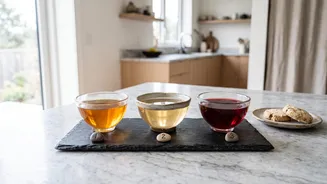
to appreciate the local character. Another popular option is a 'flight' that showcases different processing styles, moving from a light white tea to a green tea, then an oolong, and finally a robust black tea. Or, you could focus on a single category, such as different types of oolongs, to understand the nuances within one family. This approach helps structure the experience and gives your guests a clear story to follow.
Gather Your Tasting Essentials
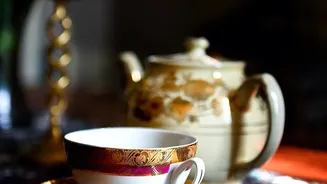
You don't need a lot of fancy equipment to host a successful tasting. The basics include a kettle (one with temperature control is helpful but not essential), an infuser or teapot for each tea, and small tasting cups for your guests. Small, 2-3 ounce cups are ideal as they hold just enough for a sample pour. Using white or light-coloured cups helps everyone appreciate the colour of each brew. Also, have a pen and some notecards ready for each guest. This allows them to jot down thoughts on aroma, flavour, and feel, which can be fun to compare at the end. Finally, don't forget a pitcher of plain water for guests to cleanse their palates between teas.
Set a Relaxed Atmosphere
The goal is a 'relaxed' session, so your environment should reflect that. You don't need elaborate decorations; creating a cozy and inviting atmosphere is more important. Consider playing some soft, instrumental music in the background. If you have a dedicated corner or table, you can make it your 'tea station' with everything neatly arranged. Simple touches like a small vase of flowers or a few candles can elevate the experience without making it feel formal. The most important thing is to create a comfortable space where your guests feel at ease and ready to chat and sip.
Select Simple Palate Cleansers
While elaborate food pairings can be a joy, for a focused tasting, the tea should be the star. It's often best to serve neutral snacks that won't interfere with the delicate flavours you're exploring. Simple, unsalted crackers or plain bread are perfect for cleansing the palate between sips. If you want to offer something more substantial, plan to serve it after the main tasting is complete. For those who wish to experiment with pairings, light options work best. White teas pair well with mild cheeses, green teas with seafood or vegetarian bites, and robust black teas can stand up to richer foods like dark chocolate or smoked meats.
Guide Guests Through the Tasting
Once your guests have arrived, you can begin the tasting, moving from the lightest tea to the boldest. For each tea, follow a simple four-step process. First, look at the dry leaves and then the colour of the brewed tea. Next, smell the aroma of the steamy brew. Then, it's time to taste. Encourage your guests to take a noisy 'slurp'—this aerates the tea and spreads it across the entire palate, revealing more complex flavours. Finally, discuss what everyone experiences. There are no right or wrong answers; one person might detect floral notes while another senses something fruity. Sharing these different perceptions is a huge part of the fun.