









The Predictable Monsoon Mayhem
Every year, as heavy rains sweep across India, our transport networks face a formidable test. Waterlogged tracks, poor visibility, and dangerously high winds force railways and airlines to make last-minute decisions: routes are diverted, services are cancelled,
and schedules are thrown into disarray. For passengers, this often means being stranded in overcrowded airports and railway stations, facing long, snaking queues for refunds or information, and dealing with immense stress and uncertainty. Recent monsoon disruptions in Mumbai, for instance, led to a temporary halt in runway operations, causing an average departure delay of 75 minutes and forcing multiple flight diversions. This seasonal challenge highlights a long-standing problem: how to manage sudden, massive surges in stranded passengers while maintaining safety and order.
What Are These Digital Portals?
Enter the new age of travel management. While the term 'digital concession portal' might sound technical, the concept is straightforward. These are centralised digital platforms that help manage passenger services and logistics. Initially focused on concessions like retail and food services within airports, their role has expanded dramatically. Today, systems like Indian Railways' RailMADAD and airports' AI-driven management platforms are crucial for passenger flow. Initiatives under the Digital India mission, such as the Digi Yatra platform, have further accelerated this shift. These portals integrate everything from real-time flight information and ticketing to crowd management and emergency communications into a single, cohesive digital ecosystem.
Real-Time Information is Power
One of the biggest sources of chaos during disruptions is a lack of clear, timely information. Digital portals tackle this head-on. Instead of passengers crowding information boards, these systems push real-time updates directly to their mobile phones via SMS or dedicated apps. Airlines and railways can instantly notify travellers of delays, gate changes, or cancellations, providing clarity amidst the confusion. Airports are also deploying advanced weather monitoring systems that provide predictive data, allowing for proactive adjustments to flight schedules and better communication with passengers before conditions become critical. This proactive communication is fundamental to managing passenger expectations and preventing the panic that leads to overcrowding.
Automating Refunds and Rebooking
The dreaded refund queue is a hallmark of travel disruptions. Digital portals are making it a thing of the past. When a train or flight is cancelled, passengers can now use apps or websites to process their refunds or rebook onto alternative services instantly. This self-service model drastically reduces the number of people who need to physically approach a service counter. It not only saves passengers hours of waiting but also frees up ground staff to handle more complex issues and assist those who genuinely need in-person help, like the elderly or those unfamiliar with the technology. This automation is a key factor in 'balancing' the traffic, as it redirects a huge volume of passenger interactions from physical spaces to the digital realm.
Managing Crowds and On-Site Resources
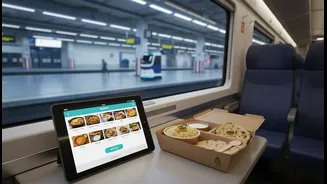
Beyond just information, these platforms help manage the physical space of a terminal or station. AI-driven systems can analyse passenger flow in real-time using CCTV feeds, identifying potential bottlenecks before they become critical. This allows authorities to redirect passengers to less congested areas, open additional security lanes, or deploy staff where they are needed most. During extended delays, these portals can also be used to manage on-site concessions, for instance, by offering digital vouchers for food and beverages as a form of compensation. This keeps passengers catered for and helps disperse crowds away from primary waiting areas, contributing to a safer and more organised environment for everyone involved.