





Beyond the Hype: What Is AI Learning?
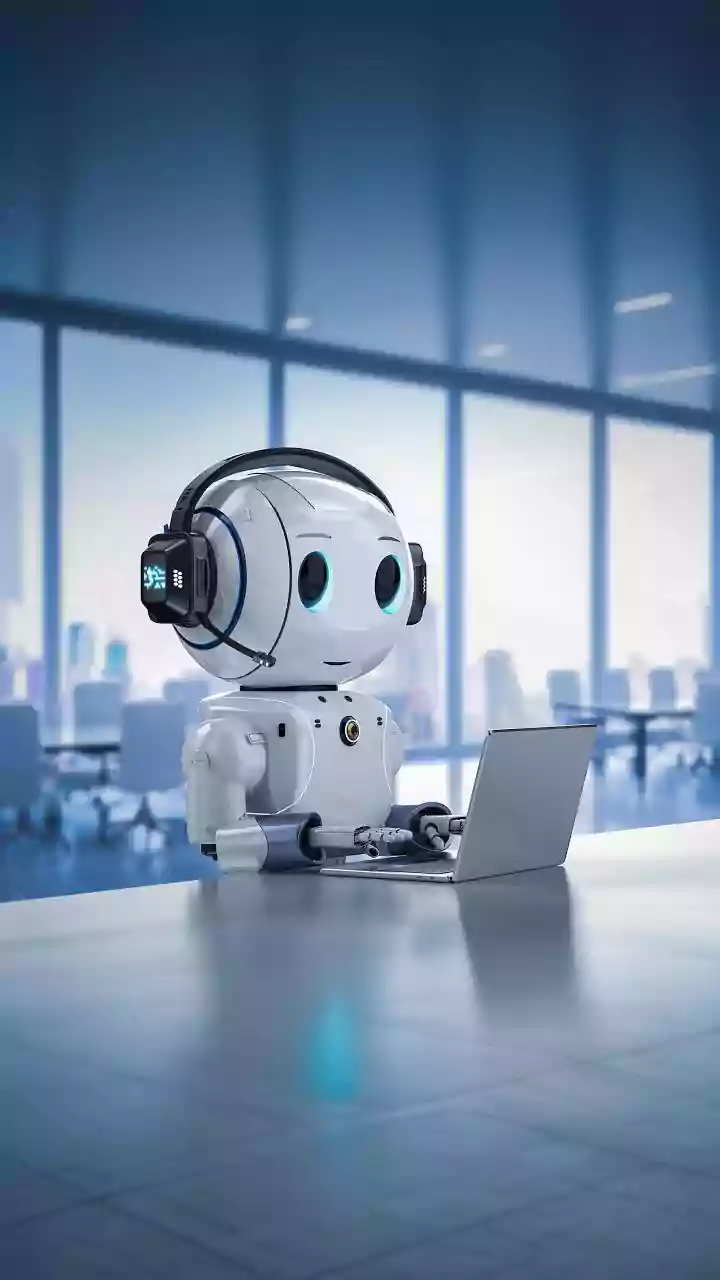
When we talk about AI in education, it’s much more than just a chatbot answering questions. At its core, AI-powered learning uses intelligent algorithms to create a customised educational experience for every student. Think of it as a personal tutor for millions.
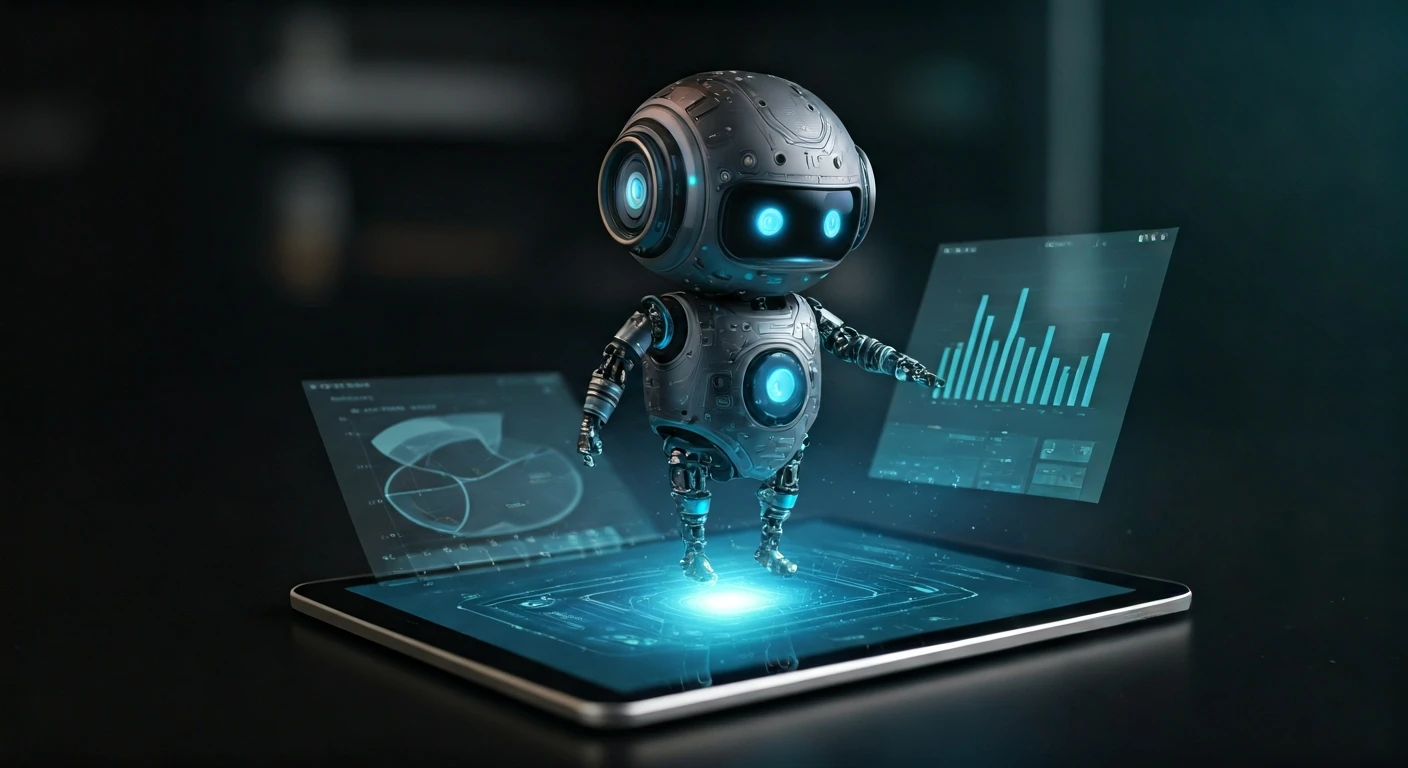
These systems can analyse a student's performance in real-time, identify their specific strengths and weaknesses, and then provide tailored content, practice problems, and feedback. Instead of a one-size-fits-all approach, AI helps create a unique learning path for each individual, adapting the difficulty and pace to keep them engaged and challenged, but not overwhelmed.
Why Is This Happening in India Now?
The rapid rise of AI in Indian education isn't an accident; it's the result of a perfect storm. A key driver is the National Education Policy (NEP) 2020, which explicitly encourages the integration of technology and AI into teaching and learning. This policy shift has given institutions a green light to innovate. Coupled with this is the massive digital adoption that accelerated during the COVID-19 pandemic, making online learning a norm. Furthermore, the availability of affordable data and smartphones has brought digital tools within reach of a larger segment of the population, creating a vast market for ed-tech companies eager to deploy AI-driven solutions.
AI in the Classroom and Beyond
So what does this look like in practice? In many private schools and through popular ed-tech platforms, AI is already at work. AI-powered adaptive assessments, for instance, adjust the difficulty of questions based on a student’s previous answers, providing a more accurate picture of their knowledge. AI tutors offer 24/7 support, guiding students through complex math problems or helping them practice a new language. For teachers, AI can be a massive time-saver, automating tasks like grading multiple-choice tests and tracking student progress. This frees up educators to focus on more human-centric tasks like mentoring, fostering creativity, and providing emotional support in the classroom.
The Promise: A More Personalised Education
The single biggest promise of AI is personalisation at scale. In a country like India, with an average student-teacher ratio that is often high, providing individual attention is a monumental challenge. Traditional classrooms often move at the pace of the average student, leaving struggling learners behind and advanced learners bored. AI can help bridge this gap. By understanding exactly where a student is struggling—for example, with a specific type of fraction problem or a particular grammar rule—the system can serve up targeted videos, readings, and exercises to help them master the concept before moving on. This ensures a stronger foundation and builds student confidence.
The Hurdles: Equity and Ethics
Despite the immense potential, the path to an AI-driven education system is filled with challenges. The most significant is the digital divide. While smartphone penetration is high, reliable internet access and suitable devices for learning are not universal, particularly in rural and low-income areas. Relying too heavily on AI could widen the gap between the digital haves and have-nots. There are also critical questions about data privacy and the ethical use of student data. Who owns the vast amount of performance data being collected? How is it being protected? Furthermore, effective implementation requires extensive training for teachers, who must evolve from instructors to facilitators of AI-assisted learning.