



The Unstoppable Festive Surge
Mumbai, a city perpetually in motion, experiences a massive surge in movement during festival seasons like Ganesh Chaturthi, Diwali, and Durga Puja. Millions of people travel for pandal hopping, family gatherings, and religious observances, placing extraordinary
pressure on the city's already strained public transport infrastructure. During Ganpati Visarjan, for instance, a single station like Charni Road can witness a footfall of up to 5 lakh passengers. This isn't just a slight increase in traffic; it's a monumental wave of humanity that requires a monumental response. The regular schedule of local trains and buses, designed for the daily grind, is simply insufficient to handle this concentrated peak demand, leading to safety concerns and severe overcrowding.
Railways Rise to the Occasion
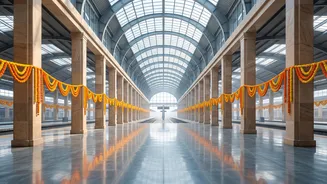
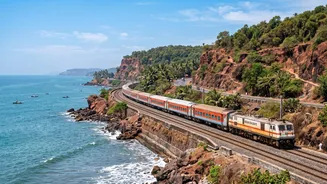
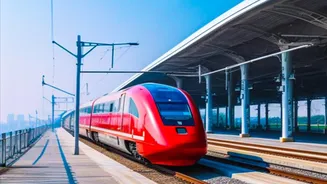
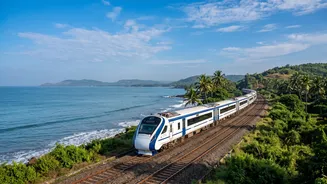
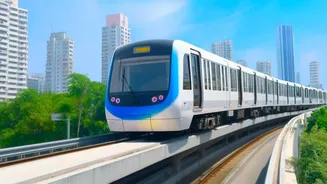
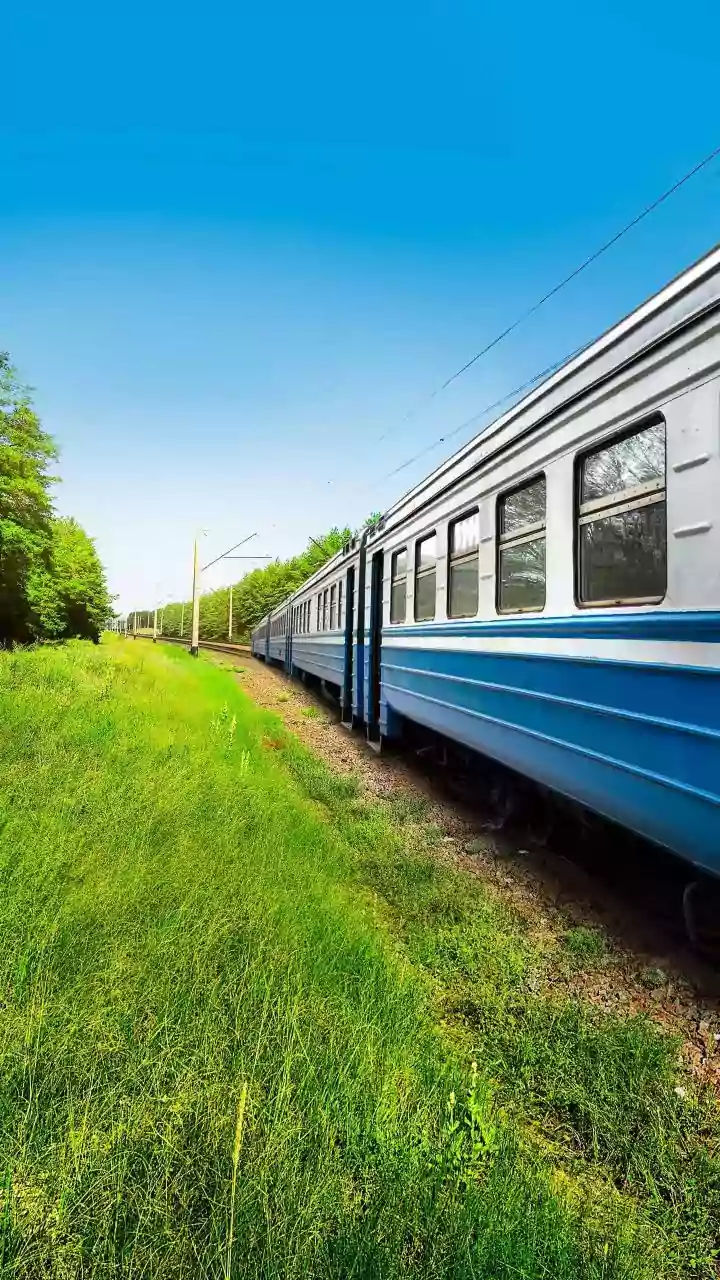
The city’s suburban railway network, often called its lifeline, plays a pivotal role in managing this festive rush. Both Central and Western Railways announce hundreds of special train services to cater to the demand. For the upcoming Diwali and Chhath Puja season in 2026, Central Railway alone has announced 418 special services connecting Mumbai with various destinations. These are not limited to long-distance trains helping migrant workers and families travel to their hometowns in other states. Crucially, they also include extra local services, often running late into the night, to facilitate pandal-hopping and ensure devotees can get home safely after the evening celebrations. These services are meticulously planned, with bookings often opening weeks in advance, to ensure as many people as possible can secure a confirmed seat and travel comfortably.
Connecting the Last Mile by Road
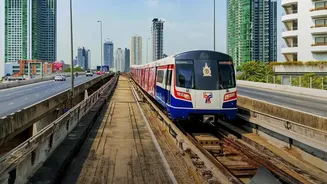
While trains handle the arterial routes, the Brihanmumbai Electric Supply and Transport (BEST) undertaking ensures last-mile connectivity. During Ganeshotsav, BEST deploys dozens of additional night buses on key routes. These services are specifically designed to connect major railway stations and residential areas with popular pandals in areas like Lalbaug, Parel, and Girgaon. This integrated approach is vital. With traffic restrictions and road closures common during processions, public buses offer a reliable alternative to private vehicles. To further ease travel, BEST often instructs staff to make unscheduled stops for devotees, showcasing a flexibility that is essential during such dynamic events. Even the Mumbai Metro extends its services, adding late-night trips to ease congestion and ensure safer travel for festival-goers.
More Than Just a Ride: Safety and Celebration
The importance of these special services extends far beyond mere convenience. They are fundamental to public safety. By providing legitimate and frequent travel options, they reduce the risks associated with dangerously overcrowded trains and help manage crowds at stations. Authorities deploy hundreds of additional Railway Protection Force (RPF) and Government Railway Police (GRP) personnel to regulate crowds and ensure security. This allows families, including women, children, and the elderly, to participate in the festivities with greater peace of mind. For many, these services are the only reason they can balance work commitments with cultural celebrations. They enable a city of millions to come together, reinforcing community bonds without bringing daily life to a standstill. It’s a system that facilitates joy and upholds tradition.
The Heroes Behind the Scenes
The smooth operation of these services is a massive logistical exercise involving thousands of personnel. From the motormen and drivers working late shifts to the station masters, ticketing staff, and security forces managing overwhelming crowds, a huge coordinated effort is required. Transport authorities like Central Railway, Western Railway, and BEST begin their planning months in advance, analysing travel patterns and anticipating demand to decide routes and frequencies. Additional ticket counters and mobile ticketing units are set up, and staff are cross-trained to handle various roles during the rush. This unseen, tireless work ensures that when the festival arrives, the city's transport network is prepared to handle the pressure, allowing residents to focus on the celebrations.