




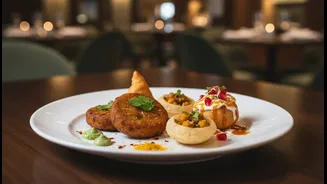


From Packets to Plates
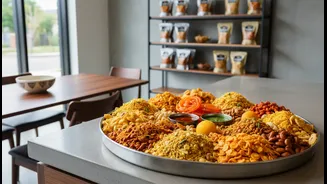
The names are synonymous with India's favourite savoury snacks and sweets. For generations, Haldiram's, Bikanervala, and Bikaji have dominated the packaged food market, their products filling supermarket shelves not just in India, but across the world.
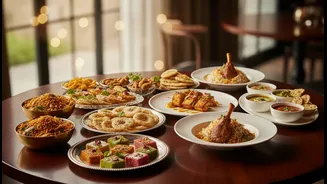
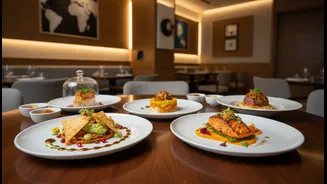
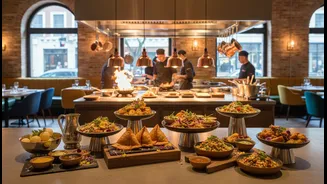
However, these legacy brands are no longer content with just being a retail success. They are undergoing a significant strategic evolution, moving from being product manufacturers to full-fledged hospitality players. This pivot involves building and expanding their own branded restaurant chains, offering everything from quick-service meals to elaborate dining experiences. It’s a move that transforms them from a product you buy into a destination you visit, creating a complete ecosystem around their trusted brand names.
The Strategy Behind the Shift
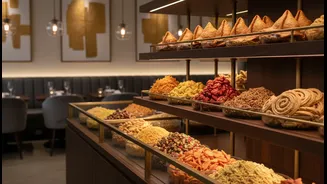
The leap from manufacturing packaged goods to running restaurants is a calculated one, driven by powerful business logic. Firstly, it allows these companies to leverage their immense brand equity. Consumers who have trusted their packaged bhujia and sweets for years are naturally inclined to try a fresh meal under the same familiar name. Secondly, the restaurant business offers higher profit margins compared to the competitive retail sector. By controlling the entire experience from kitchen to table, brands can create a powerful feedback loop. A diner who enjoys a meal might be prompted to buy the packaged version on their way out, and a loyal retail customer is a ready-made audience for a new restaurant opening. This model also serves as a live marketing platform, showcasing the brand's culinary range far beyond what a package can convey. This strategy was pioneered by Haldiram's, which started as a sweet shop and is now a multinational restaurant chain and India's largest snack company.
Haldiram's: The Pioneer's Playbook
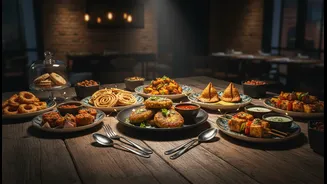
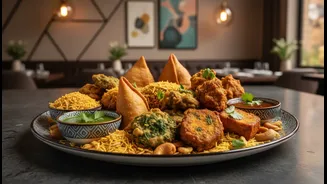
Haldiram's is the most prominent example of this trend, having successfully operated a dual business model for years. The company runs a vast network of outlets in various formats, including quick-service restaurants (QSRs), casual dining establishments, and food court kiosks. These restaurants serve a wide menu featuring everything from street food like chole bhature to full thalis and traditional sweets, effectively catering to different customer needs throughout the day. The success of this model is now being replicated on a global scale. In July 2026, the opening of Haldiram's first official store in London drew massive queues, demonstrating the powerful pull of the brand's dine-in experience for the Indian diaspora and beyond. This global expansion is often managed through a franchise model, allowing for rapid growth while maintaining brand consistency.
Bikaji and Bikanervala Follow Suit
Following Haldiram's successful template, other major players are accelerating their hospitality ambitions. Bikanervala, which has roots stretching back to the 1950s, already operates over 100 outlets globally, blending traditional sweet shops with full-service restaurants. Their strategy also relies on a dual model of selling packaged goods alongside freshly prepared meals, leveraging a strong brand legacy. More recently, Bikaji Foods has made aggressive moves into the food service space. In March 2026, the company announced a significant ₹40 crore investment into its subsidiary to launch cafes and QSRs. This followed a 2024 strategic acquisition of a cafe and artisanal sweets brand to establish a 'house of brands' and solidify its entry into the premium QSR domain. Though Bikaji's first restaurant was launched back in 2008, these recent investments signal a much more focused and ambitious push into the hospitality sector.
Challenges on the Menu
Despite the clear advantages, the transition into hospitality is not without its hurdles. The restaurant industry is operationally intensive, demanding expertise in service, real estate management, and maintaining consistent quality across numerous outlets—skill sets that are vastly different from packaged goods manufacturing and distribution. The competition is also fierce, not just from other organised chains but from countless standalone restaurants. Success requires a delicate balance: maintaining the authentic flavours that built the brand's reputation while innovating to meet modern consumer preferences for experiential dining. Furthermore, as these brands expand globally, they face the added complexity of adapting menus to local tastes and navigating international regulations.