


The Great Indian Food Shift
Across the country, a significant dietary transition is underway. Fuelled by rising incomes, urbanisation, and the wide availability of convenient options, Indians are moving away from traditional, balanced meals. The consumption of whole grains, millets,
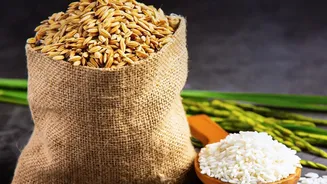
and pulses, once the bedrock of our diet, is declining. In their place, we are consuming more processed foods, refined carbohydrates like maida and polished white rice, and items high in sugar and unhealthy fats. This shift is not just a change in preference; it's a structural change in our national diet that has profound health implications. While traditional Indian cuisine is naturally rich in fibre, modern eating habits are stripping it away, creating a significant nutritional gap.
The Forgotten Nutrient
Fibre is a type of carbohydrate that our bodies cannot digest. It doesn't provide energy in the same way as fats, proteins, or other carbs, which is perhaps why it has been overlooked. But its role is crucial. It acts like a cleaning crew for our digestive system, promoting regularity and preventing constipation. There are two types: soluble fibre, which dissolves in water to form a gel-like substance that helps control blood sugar and lower cholesterol, and insoluble fibre, which adds bulk to stool. The Indian Council of Medical Research (ICMR) recommends an intake of about 25-30 grams of fibre per day for a healthy adult. However, numerous recent studies and surveys reveal a startling deficit: the average Indian consumes only about 15 grams per day, with some populations getting even less.
What the New Science Says
The consequences of this 'fibre gap' are becoming increasingly clear, with a growing body of research directly linking low-fibre diets to the rise of non-communicable diseases (NCDs) in India. Extensive global studies have shown that high fibre intake is associated with a 15-30% reduction in deaths from all causes and cardiovascular events. In the Indian context, where diseases like type-2 diabetes, heart disease, and certain cancers are alarmingly common, fibre is now seen as a key protective factor. Research highlights that fibre slows sugar absorption, which helps manage blood sugar spikes—a critical benefit for a nation with over 100 million people living with diabetes. It also helps lower 'bad' LDL cholesterol, reduces the risk of non-alcoholic fatty liver disease, and fosters a healthy gut microbiome, which is essential for overall immunity.
Bringing Fibre Back to the Plate
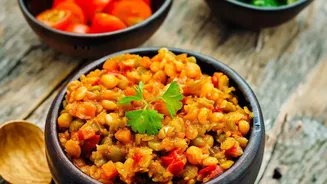
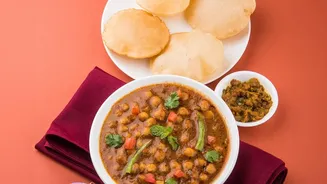
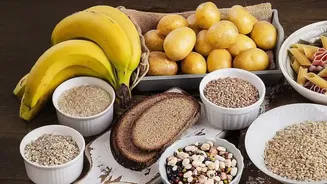
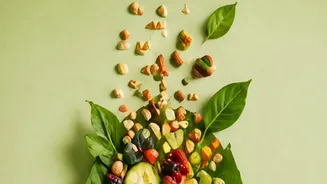
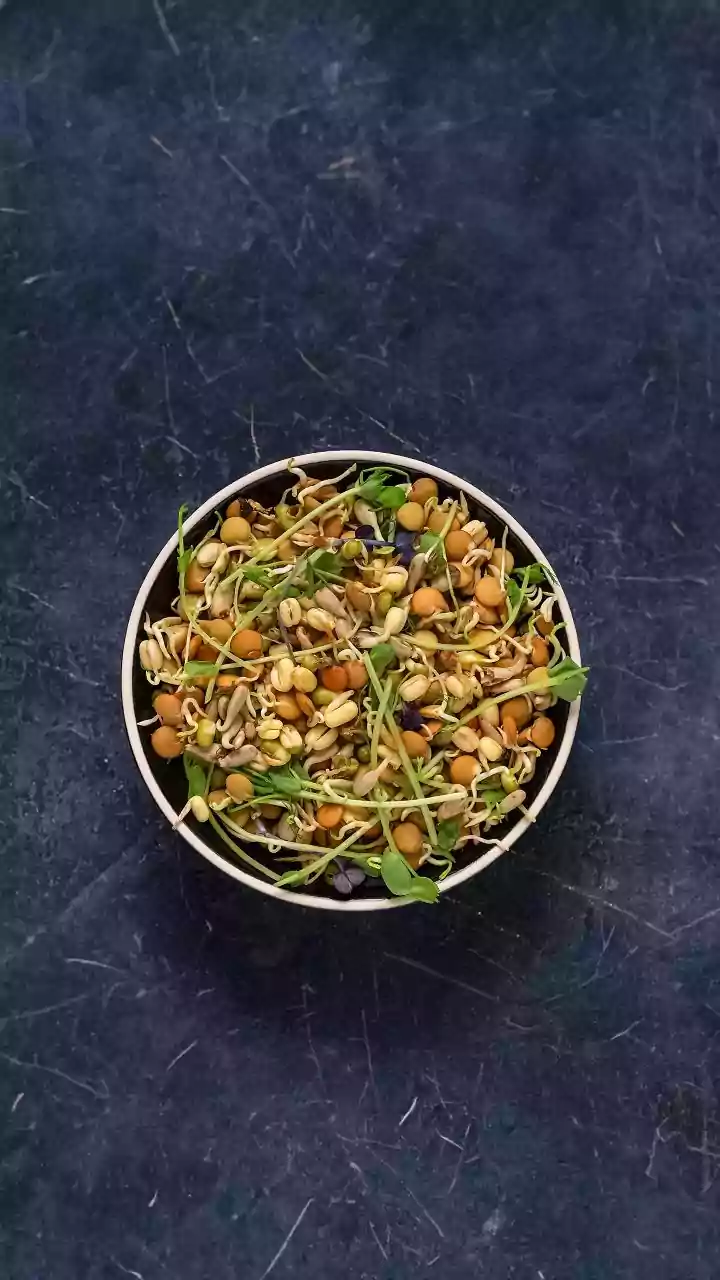
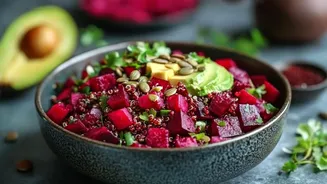
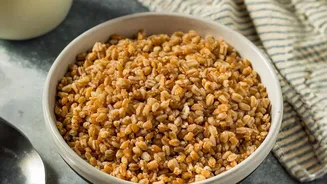
The good news is that addressing this deficiency doesn't require expensive supplements or foreign 'superfoods'. The solution lies in rediscovering and re-prioritising our own traditional Indian ingredients. Simply swapping refined grains for whole grains and millets can make a huge difference. Choosing whole wheat atta over maida for rotis, or replacing some white rice with jowar, bajra, or ragi are powerful first steps. Including a generous portion of dal, chana, or rajma in a main meal provides a significant fibre boost. Experts also recommend eating fruits with their skin on, adding a variety of vegetables to every meal, and snacking on nuts and seeds. The key is to make conscious choices to include these fibre-rich foods daily, rather than seeing them as occasional additions.