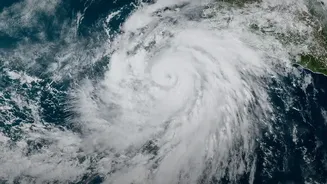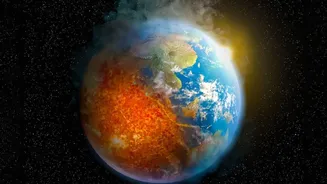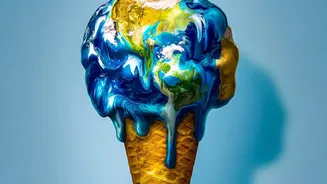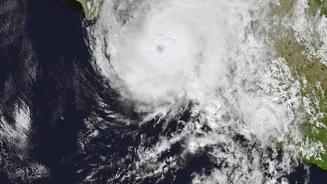



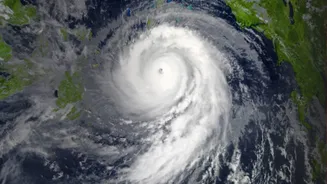
A powerful climate phenomenon is brewing in the Pacific Ocean, and its effects are set to ripple across the globe. Known as El Niño, this event is strengthening and has forecasters on high alert for a winter of weather extremes.
First, What Is El Niño?
Think of El Niño as a massive
disruption of the normal ocean-atmosphere system in the tropical Pacific. Typically, trade winds blow from east to west, pushing warm surface water towards Asia and Australia. During an El Niño, these winds weaken or even reverse. As a result, a huge mass of warm water that is normally in the western Pacific sloshes back towards the central and eastern parts of the ocean, near South America. This warming of the ocean surface might seem distant, but it's powerful enough to alter weather patterns worldwide, influencing everything from rainfall in Africa to winter storms in North America.
A Global Spike in Temperatures
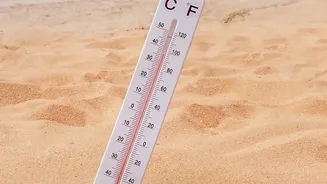
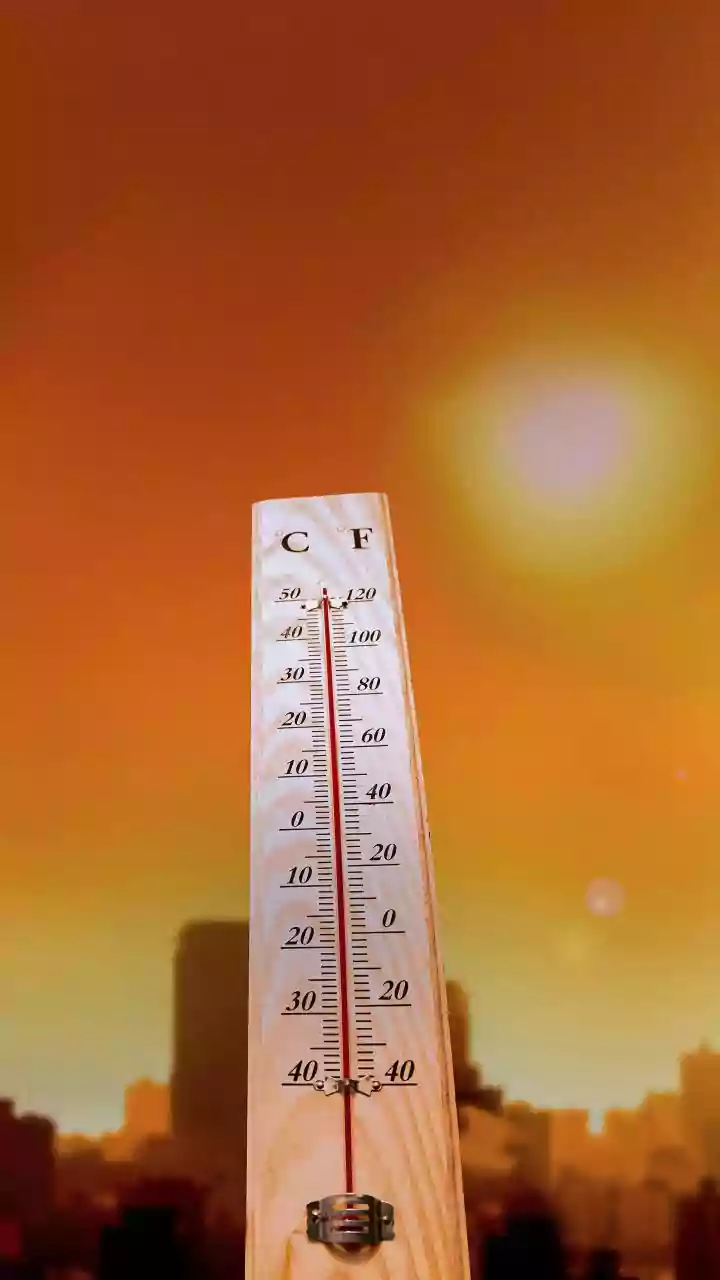
One of the most immediate and predictable impacts of a strong El Niño is a surge in global temperatures. The vast amount of heat released from the Pacific Ocean into the atmosphere acts like a global fever. The World Meteorological Organization (WMO) has noted that years with strong El Niño events, like the current one, often set new records for global heat. This isn't just an abstract number; it translates into more frequent and intense heatwaves on the ground. For India, which has already been experiencing scorching summers, this added heat from El Niño significantly increases the risk of severe, prolonged, and dangerous periods of extreme temperatures. Scientists have warned that the current event could contribute to tens of thousands of additional heat-related deaths worldwide, with India being a high-risk country.
The Indian Monsoon Paradox
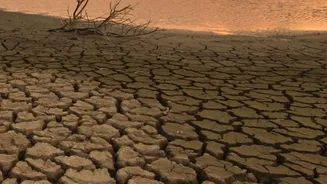
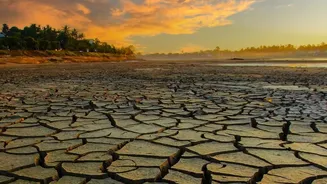
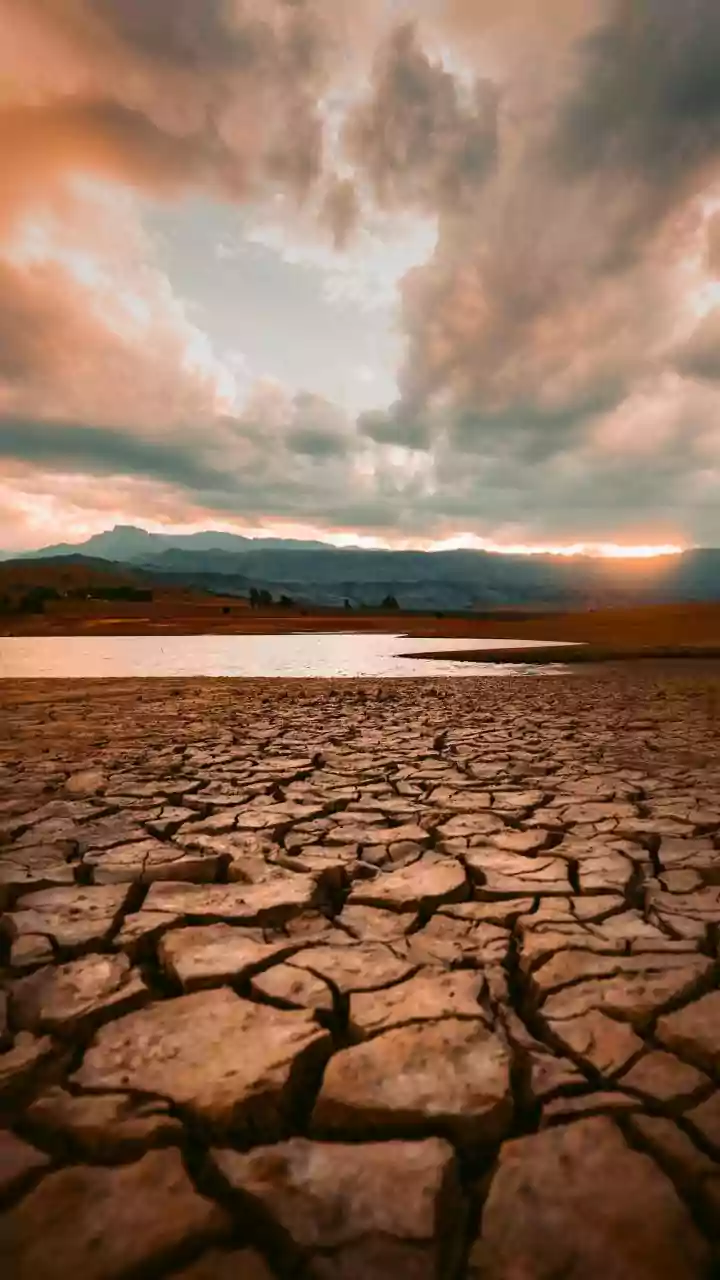
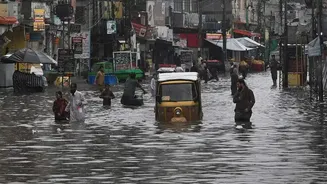
Historically, El Niño has been bad news for India's lifeblood: the summer monsoon. The same atmospheric changes that warm the Pacific tend to create conditions that suppress rainfall over the Indian subcontinent, often leading to drought. However, the relationship isn't perfectly straightforward. While El Niño typically means less rainfall overall for the monsoon season, recent research and observations show a paradoxical trend: an increase in the number of extreme, heavy rainfall events. So, while the country might experience longer dry spells and a deficit in total seasonal rain, the rainy days that do occur could be more intense, bringing sudden downpours that can trigger flash floods and landslides. This 'less rain, but heavier downpours' scenario complicates water management and disaster preparedness.
Why the Connection Isn't Simple
The impact of El Niño on India is not a simple cause-and-effect story. Other climate factors can play a crucial role. One of the most important is the Indian Ocean Dipole (IOD), which is a similar pattern of sea surface temperature variation in the Indian Ocean. A 'positive' IOD, with warmer waters in the western Indian Ocean, can bring more rain to India and sometimes counteract the drying effect of an El Niño. This is famously what happened during the very strong El Niño of 1997, when India's monsoon remained near-normal thanks to a strong positive IOD. Conversely, if a 'negative' IOD coincides with El Niño, it can worsen the drought conditions. The specific location and intensity of the warming in the Pacific also matter, making each El Niño event unique in its impact.
Beyond Weather: Farming and Health
The impacts of El Niño extend far beyond just temperature and rainfall data. For India, they strike at the heart of the economy and public health. An erratic monsoon with long dry spells threatens agricultural output, particularly for rainfed crops, potentially impacting food security and the livelihoods of millions of farmers. Dwindling reservoir levels can affect irrigation and drinking water supplies long after the monsoon season ends. The health risks are also significant. Extreme heatwaves place immense strain on public health systems and increase the risk of heatstroke and other heat-related illnesses. Simultaneously, shifts in rainfall patterns—from drought to sudden floods—can create conditions ripe for the spread of waterborne and vector-borne diseases like cholera, dengue, and malaria.