
The Problem with Precious Pairs
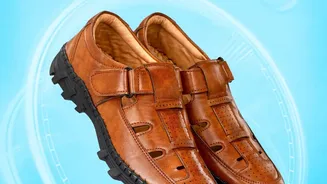
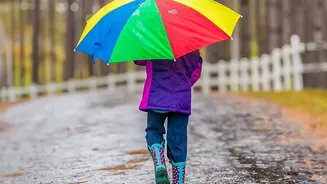
Every year, countless pairs of beautiful shoes meet a tragic end on waterlogged streets. Leather, suede, and even canvas are highly susceptible to damage from moisture. When leather gets soaked, its natural oils are stripped away, causing it to become
stiff, brittle, and prone to cracking once it dries. Suede is even less forgiving, with water often leaving permanent stains and ruining its soft texture. Canvas and other fabric shoes absorb water like a sponge, becoming heavy, uncomfortable, and a breeding ground for bacteria and fungus, leading to unpleasant odours and potential foot infections. Beyond the material damage, delicate shoes with smooth soles pose a significant safety risk on slippery, wet surfaces, making every step a potential hazard.
Embracing the Walkable Shoe
The smart shift in monsoon footwear is towards styles that are built to withstand the elements. This doesn't mean sacrificing style; it means making smarter choices. Walkable monsoon footwear prioritises three key elements: water-resistant or quick-drying materials, anti-slip soles, and a design that is easy to clean. The goal is to find shoes that you can wear with confidence, knowing they won’t be ruined by an unexpected puddle and won’t put you at risk of a fall. Think of it as an investment in your comfort, safety, and peace of mind during the wettest months of the year.
Materials That Master the Monsoon
When choosing your monsoon shoes, the material is the most critical factor. Rubber is a time-tested champion, offering excellent water resistance and durability. Similarly, materials like EVA (ethylene-vinyl acetate), famous for its use in Crocs and other lightweight footwear, are waterproof, easy to clean, and provide comfortable cushioning. PVC and other synthetic plastics are also great options, often moulded into stylish designs that mimic other materials without their vulnerabilities. These non-porous materials don't absorb water, meaning they dry quickly and are less likely to harbour odour-causing bacteria. Open-toed styles like floaters, sandals, and flip-flops made from these materials allow water to drain away easily, keeping your feet from sitting in moisture.
Function First: Grip and Drainage
Beyond the material, the construction of the shoe is paramount. The number one functional feature to look for is an anti-slip or high-traction sole. Check the bottom of the shoe for deep grooves and a textured pattern, which help to channel water away and provide a firm grip on slick surfaces. Secondly, consider the shoe’s design for drainage and breathability. Closed shoes can trap moisture, creating a damp environment perfect for fungal infections. Open designs or shoes with built-in vents allow air to circulate and water to escape, ensuring your feet can dry more quickly. If you must wear closed shoes, keep a spare dry pair at your office or destination to change into.
Styling for the Season
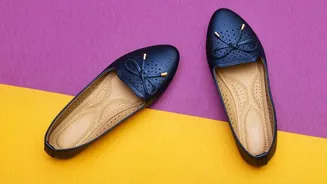
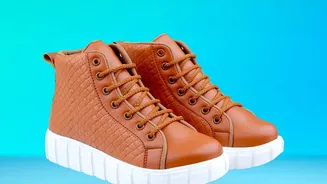
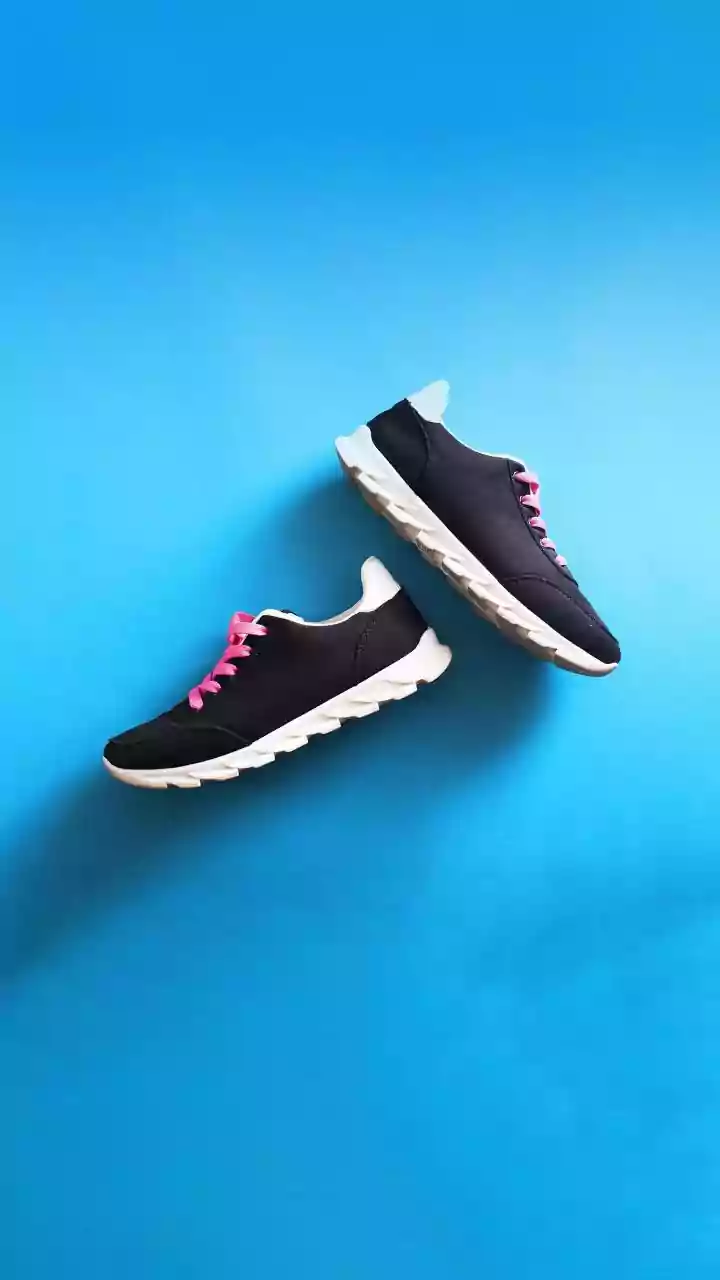
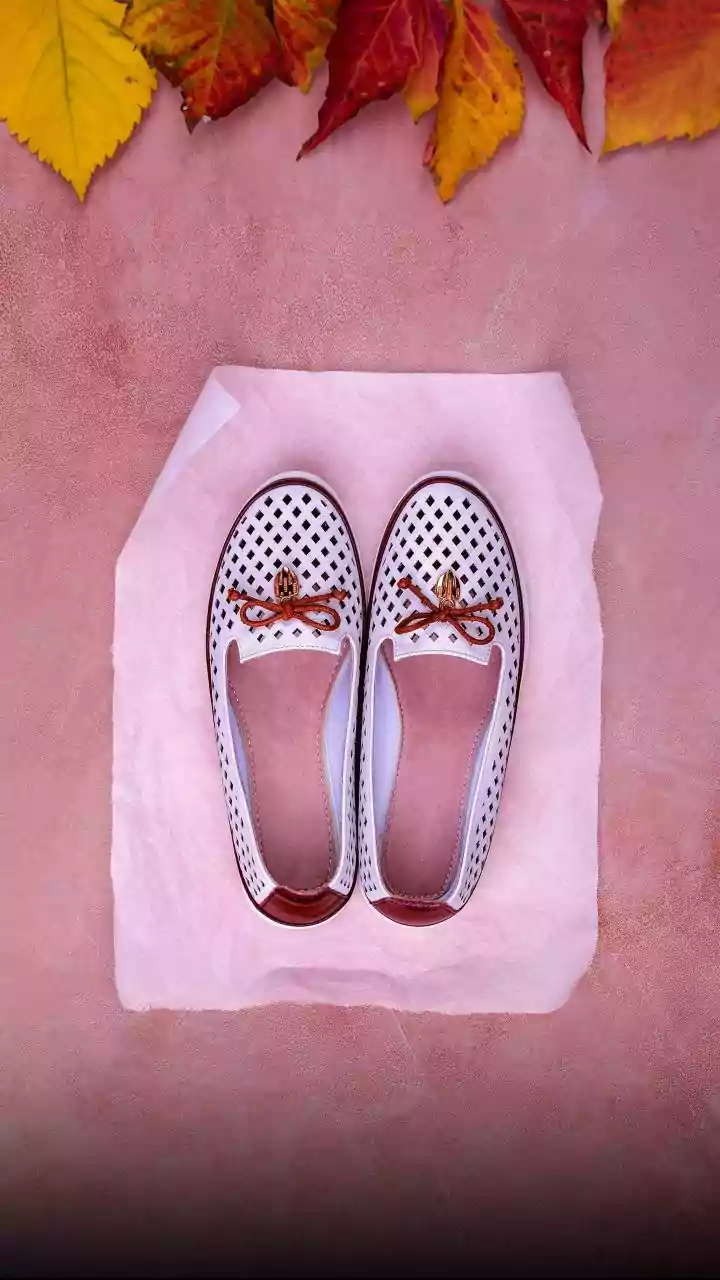
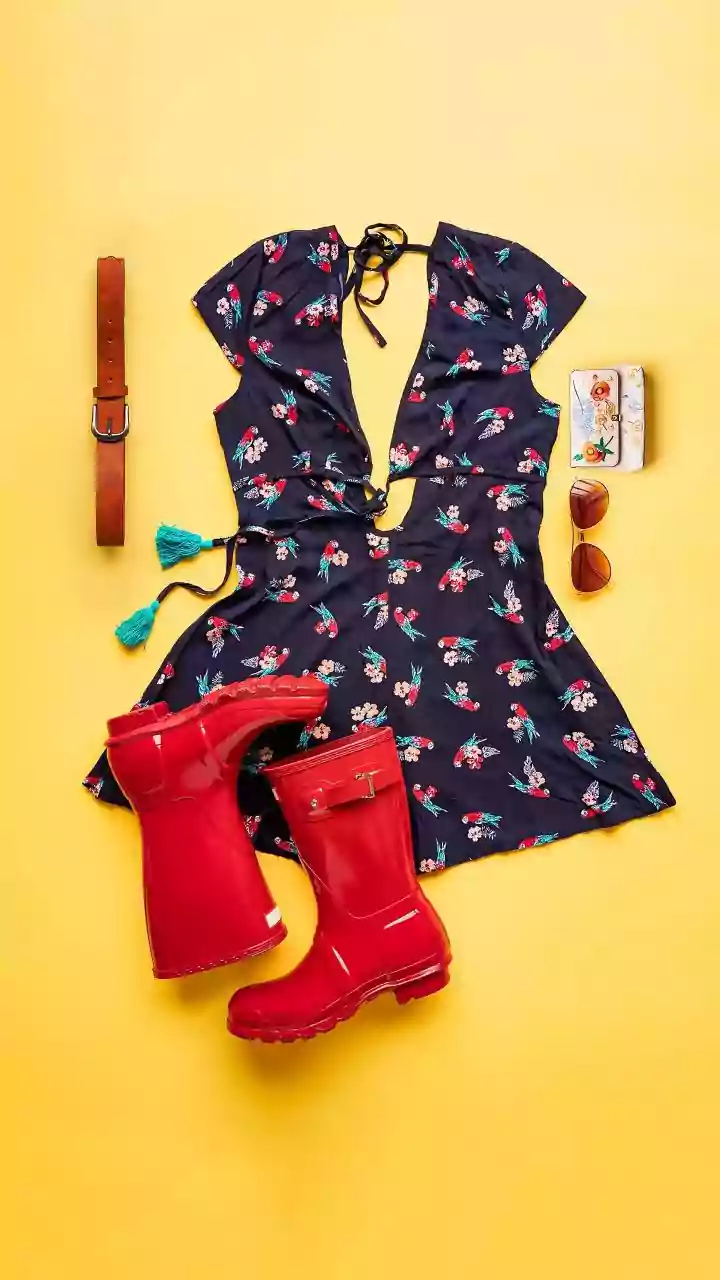
Practical monsoon footwear has evolved far beyond basic gumboots. Today, you can find a wide array of stylish and waterproof options. Brightly coloured flip-flops or strapped sandals can add a fun pop to a casual outfit. Sleek rubber or synthetic loafers and ballerinas can easily be paired with workwear, providing a polished look without the risk of water damage. For a more protected feel, waterproof Chelsea boots or sneakers offer coverage while remaining fashionable. The key is to see monsoon footwear not as a limitation, but as a different category of your wardrobe—one that allows you to navigate the season with style and practicality in equal measure.