

Artificial Intelligence and Machine Learning
Artificial intelligence is no longer just a buzzword for the Indian Space Research Organisation (ISRO); it's becoming a cornerstone of its mission architecture. AI and machine learning algorithms are being developed to give future spacecraft and launch
vehicles unprecedented autonomy. This includes designing mission trajectories, enabling autonomous navigation to reduce reliance on ground control, and processing vast amounts of satellite data in orbit—a concept known as space edge computing. In past missions like Chandrayaan-3, AI was crucial for the Pragyan rover's navigation, helping it steer clear of obstacles on the lunar surface. For future applications, ISRO is leveraging AI for everything from predicting the health of a rocket based on telemetry data to enhancing the capabilities of its humanoid robot, Vyommitra.
Quantum Technology for Secure Communication
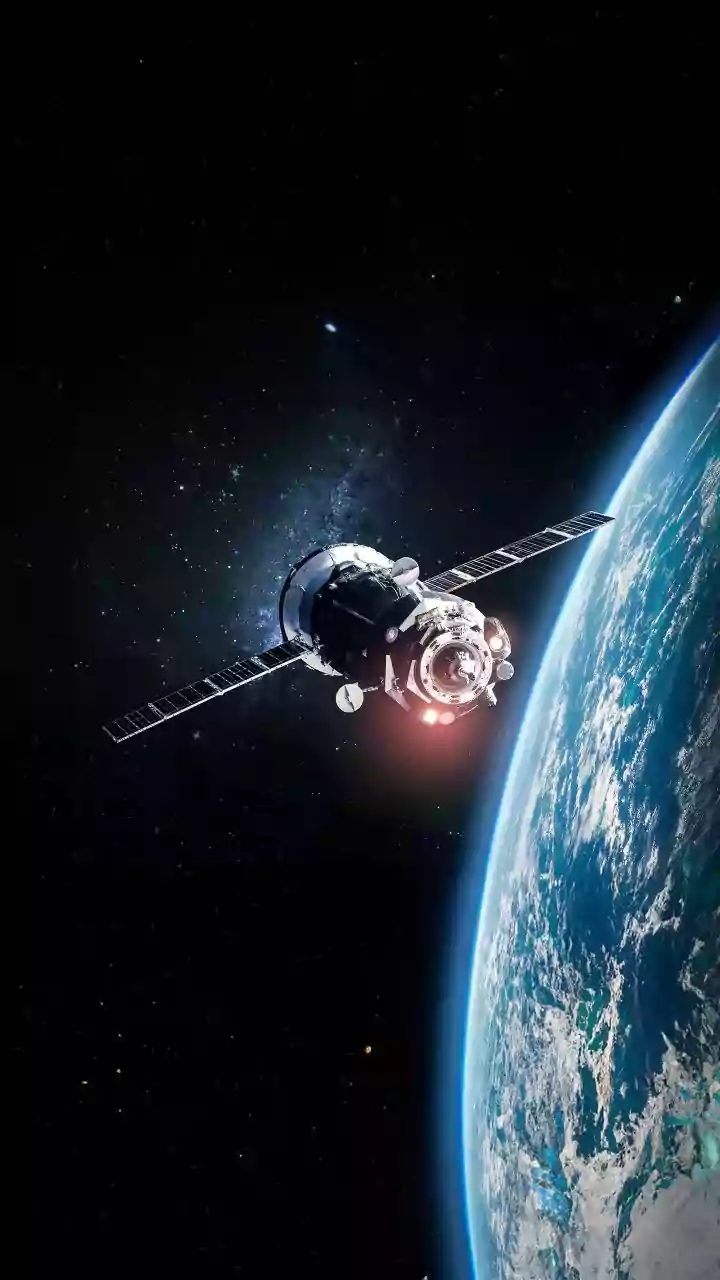
In space, communications are everything, and making them secure is a massive challenge. This is where quantum technology comes in. ISRO is actively developing quantum communication to create virtually unhackable links between satellites and ground stations. The primary application is Quantum Key Distribution (QKD), a method that uses the principles of quantum physics to encrypt data. Any attempt to eavesdrop on a QKD-secured transmission would instantly be detected. ISRO has already successfully demonstrated free-space QKD over a distance of 300 meters, a critical first step toward creating a satellite-based quantum communication network. This technology is not only vital for protecting sensitive mission data but also has major implications for national security, with the potential to safeguard military communications and financial networks.
Humanoid Robotics for Astronaut Support
Before India sends its own astronauts, or "Gaganyatris," into orbit, it's sending a robot first. Named Vyommitra, meaning "space friend" in Sanskrit, this advanced humanoid robot is designed to test the systems of the Gaganyaan crew module. Vyommitra can mimic human functions, monitor module parameters, and even interact with the life support system. The robot will fly on uncrewed test missions to validate that the spacecraft is safe for humans, gathering vital data on how the cabin environment performs in microgravity. Developed by ISRO, this female-presenting humanoid can speak, recognize humans, and respond to queries, making it a crucial testbed for future human-robot collaboration in space.
Green and Advanced Propulsion
The massive, controlled explosions that send rockets to space have traditionally relied on toxic and hazardous propellants. ISRO is aggressively pursuing "green propulsion" to make spaceflight more sustainable and safer, especially for human missions. This involves developing eco-friendly fuels, such as those based on Liquid Oxygen (LOX) combined with kerosene or liquid hydrogen, and exploring alternatives like ammonium dinitramide (ADN). These propellants produce minimal harmful exhaust. In early 2024, ISRO successfully demonstrated an indigenous green propulsion system in space. This shift is not just about being environmentally conscious; it's a strategic move to reduce dependency on conventional fuels and lower launch costs for future rockets and satellites.
Advanced Radar and In-Orbit Servicing
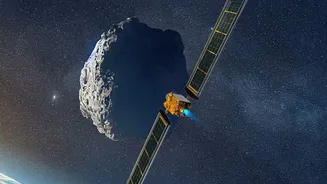
Beyond communications, quantum principles could also revolutionize how we see things in space. While still in the research phase globally, quantum radar is a technology India is exploring. Unlike conventional radar, it uses quantum entanglement to detect objects, which could make it possible to spot stealth aircraft or tiny pieces of space debris with far greater accuracy. At the same time, ISRO is mastering the orbital mechanics needed for a sustainable presence in space. The agency has successfully demonstrated autonomous docking, where one satellite can connect with another without human intervention. This is a foundational technology for building future space stations, like the planned Bharatiya Antariksh Station, and for missions that can service, refuel, or repair satellites in orbit.