

The Allure of the 'Self-Watering' Pot
Pots with built-in water reservoirs have become a popular choice for gardeners, and for good reason. They offer convenience, especially for those with busy schedules or a tendency to forget watering day. The basic design is simple: a reservoir at the
bottom of the pot stores water, which is then drawn up into the soil through a wicking system. This process, known as capillary action, allows the plant to absorb moisture as needed, mimicking how roots draw water from the ground in nature. The promise is a plant that gets a steady, consistent drink without the guesswork, reducing the risk of both underwatering and overwatering. For moisture-loving tropical plants like peace lilies, ferns, and many herbs, this system can be a game-changer, promoting healthier roots and vibrant growth.
How Overwatering Still Happens
Despite the clever design, overwatering in a reservoir pot is still a common problem. The primary mistake is treating the reservoir like a trough that must be kept full at all times. Constantly topping it up can lead to soil that is perpetually saturated. This waterlogged environment robs plant roots of oxygen, which is just as crucial for their survival as water. Another frequent error is using the wrong type of soil. Heavy, dense garden soil or standard potting mixes can become compacted, holding onto too much moisture and preventing the wicking system from functioning properly. The result is a swampy root zone, even if the reservoir isn't overfilled. Overfilling the reservoir, especially in pots without an overflow hole, is a direct path to drowning your plant's roots.
Telltale Signs of a Drowning Plant
Recognising the signs of overwatering is the first step to saving your plant. One of the most common indicators is leaves turning yellow or brown, but feeling soft and limp rather than dry and crispy. A plant that is wilting despite having moist soil is a classic symptom of root rot; the damaged roots can no longer absorb water effectively. You might also notice that the plant is dropping both old and new leaves at an accelerated rate. At the soil level, problems can manifest as a persistent swarm of small fungus gnats, which thrive in damp conditions, or even visible mould growing on the surface. If you detect a musty or rotten smell coming from the pot, or if the base of the stem feels mushy, it is a serious sign that root rot has set in.
The Right Way to Use a Reservoir Pot
To get the most out of your self-watering pot, a few adjustments to your routine are needed. First, resist the urge to keep the reservoir constantly full. Allow it to go completely dry for a few days between refills. This fallow period gives the upper layers of soil a chance to dry out slightly, which helps aerate the roots. Second, water from the top every once in a while. When you first pot a plant, you should always water from the top to help the roots establish and activate the capillary action. Continuing to do this every month or so helps flush out any mineral salts that may accumulate in the soil. Finally, use the right potting mix. A light, airy, and well-draining mix, often containing perlite or orchid bark, is ideal for these systems as it prevents compaction and ensures good oxygen flow.
Not All Plants Are Created Equal
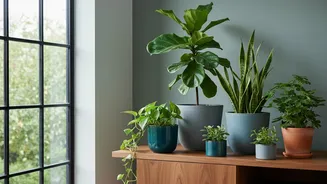
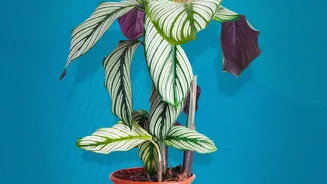
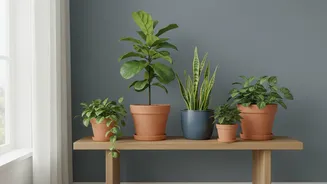
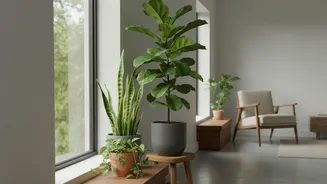
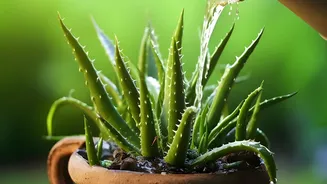
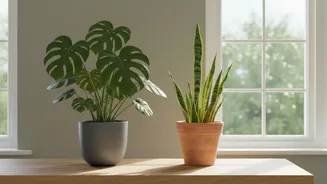
It is crucial to remember that self-watering systems are not suitable for every type of plant. Species that are native to arid or dry climates, such as succulents, cacti, and snake plants, need their soil to dry out completely between waterings. The constant moisture provided by a reservoir pot is the opposite of what they require and will almost certainly lead to root rot. Before placing a plant in a self-watering pot, do a little research on its native habitat and water preferences. If it's a plant that thrives in consistently damp conditions, like a fern or a calathea, it is likely a great candidate. If it's a drought-tolerant plant, a traditional pot with excellent drainage is a much safer choice.