



Decode the Weather: Your First Step to Safety
Before any monsoon trip, your first stop should be the India Meteorological Department (IMD) website or its 'Mausam' app. The IMD is the official source for weather forecasts and warnings. It uses a colour-coded system to indicate the severity of expected
weather. 'Green' means all is clear, while 'Yellow' advises you to stay aware. An 'Orange' alert signals you to be prepared for potentially disruptive heavy rain, which could lead to waterlogging or transport delays. A 'Red' alert is the most serious, warning of extremely heavy rainfall that could trigger floods and landslides, making travel dangerous. Understanding these alerts helps you make informed decisions, like whether to proceed with, delay, or cancel your plans.
The Smart Monsoon Packing List
Packing for a rainy-season trip goes beyond just a raincoat. Prioritise lightweight, synthetic, and quick-drying clothes over cotton, which takes a long time to dry in high humidity. Waterproof footwear with a good grip is non-negotiable for navigating slippery, waterlogged streets. Protect your valuables by carrying waterproof bags or covers for your luggage, and smaller ziplock pouches for your phone, wallet, and important documents. A fully charged power bank is another essential, as power cuts can be common during heavy spells. Finally, a basic first-aid kit containing antiseptic creams, bandages, and medication for common ailments like colds is crucial. Including an insect repellent is also wise, as mosquito populations increase during this season.
Navigating Roads with Caution
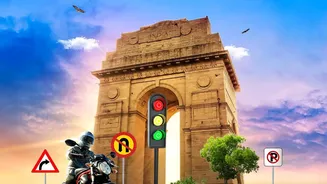
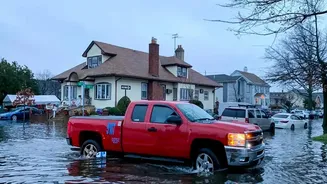
Driving during the monsoon requires extra vigilance. Heavy rain dramatically reduces visibility and increases braking distances on wet roads. It's advisable to drive slowly, keeping speeds below 50 kmph in heavy downpours, and maintain double the usual distance from the vehicle ahead. Always use your low-beam headlights, day or night, to ensure you are visible to other drivers. A major hazard is waterlogged roads; never attempt to drive through deep, standing water as it can damage your vehicle's engine. If visibility becomes too poor, it is safer to pull over in a safe, elevated spot and wait for the rain to subside. Planning your travel during daylight hours is highly recommended, as navigating treacherous conditions at night is significantly more dangerous.
Region-Specific Risks: Hills vs. Cities
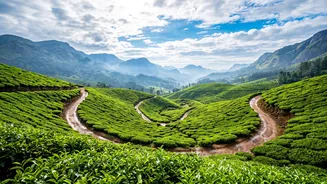
Monsoon hazards vary significantly across India's diverse geography. In mountainous regions like the Himalayas and the Western Ghats, the primary dangers are landslides and flash floods. These areas have geologically young and unstable slopes that are highly susceptible to failure during intense rainfall. Routes to popular destinations in Uttarakhand, Himachal Pradesh, and the Ghats sections of Kerala and Karnataka are often blocked. In contrast, cities like Mumbai, Delhi, and Chennai face the challenge of urban flooding. Overwhelmed drainage systems can turn streets into rivers within hours, causing massive traffic disruptions and creating health risks due to contaminated water.
Staying Healthy During Your Trip
The monsoon is a peak season for water-borne and vector-borne diseases. The risk of contracting illnesses like cholera, typhoid, dengue, and malaria increases due to contaminated water and breeding mosquitoes. To stay healthy, drink only bottled, boiled, or purified water. Be extremely cautious about street food, as the high humidity can lead to rapid bacterial growth and contamination; opt for freshly prepared hot meals instead. Good personal hygiene, such as frequent hand washing, is essential. It's also important to protect yourself from mosquito bites by using repellent and wearing long-sleeved clothing, especially during dawn and dusk.