








Myth: You should oil your hair less, or not at all.
Many people believe that since the weather is already sticky and the scalp feels oily, adding more oil is a bad idea. This is one of the most common but misleading monsoon hair care beliefs. The reality is that oiling is crucial, but the technique needs
to change. The high humidity can make hair porous and prone to frizz and breakage. A pre-shampoo oil treatment creates a protective barrier on the hair shaft, preventing it from absorbing excess atmospheric moisture and regulating water absorption during washing. However, instead of leaving heavy oils on overnight, which can clog pores and attract dirt in the humid environment, experts recommend a lighter approach. Apply a lightweight oil like coconut, almond, or jojoba for 30 to 60 minutes before you wash your hair. This short-contact therapy nourishes the scalp and strengthens roots without making your hair greasy.
Myth: Skip conditioner to avoid weighing hair down.
It seems logical: if your hair feels flat and greasy, why add a heavy cream like conditioner? This is a huge mistake that can actually make your frizz worse. High humidity strips hair of its natural moisture balance, causing the hair cuticle to swell and look frizzy. Conditioner is essential to restore this balance. It smooths the cuticle, locks in necessary hydration, and makes hair more manageable. The trick isn't to skip it, but to use it correctly. Opt for a lightweight, anti-frizz, or smoothing conditioner. Apply it only from the mid-lengths to the ends, where hair is oldest and driest, and avoid the scalp. This prevents the roots from getting greasy while ensuring your strands get the frizz-fighting hydration they desperately need.
Myth: Wash your hair less frequently.
The fear here is that frequent washing will strip hair of its natural oils and make it drier. While over-washing is a concern, under-washing during the monsoon is far more damaging. The damp, humid environment is a perfect breeding ground for fungal and bacterial growth on the scalp. Add to that sweat, oil buildup, and pollutants from acid rain, and you have a recipe for dandruff, itchiness, and weakened roots. Most experts recommend washing your hair 2-3 times a week with a gentle, sulphate-free shampoo. If you get caught in the rain, it's crucial to wash your hair as soon as possible to rinse away pollutants that can disrupt your scalp's pH balance.
Myth: Rainwater is natural and good for your hair.
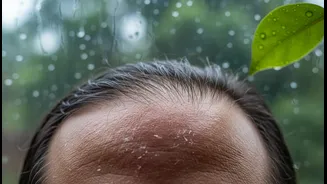
This romantic notion couldn't be further from the truth, especially in urban areas. Rainwater is not pure. As it falls, it collects atmospheric pollutants, dust, and chemicals, becoming acidic and dirty. When this water sits on your scalp, it can cause significant irritation, alter the natural pH balance, and increase the risk of fungal infections and dandruff. Far from being a natural rinse, rainwater can leave your hair looking dull, frizzy, and damaged. Always try to protect your hair from the rain with an umbrella or scarf. If you do get drenched, make it a priority to rinse your hair thoroughly with clean water and a mild shampoo as soon as you can.
Myth: Tying up wet hair is a good way to manage it.
When your hair is frizzy and unmanageable, pulling it back into a tight ponytail or bun seems like an easy fix. However, this is one of the most damaging things you can do. Hair is at its absolute weakest and most elastic when wet. Tying it up tightly puts immense tension on the vulnerable strands and roots, leading to significant breakage and hair fall. Furthermore, trapping damp hair against the scalp creates a warm, moist environment that encourages fungal growth and scalp issues. Always allow your hair to air-dry at least 70-80% before tying it up. If you must, opt for loose braids or a gentle clip, but never a tight elastic band on soaking wet hair.