


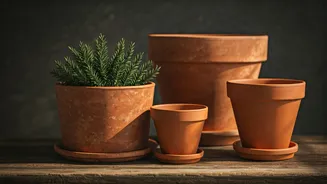



The Timeless Appeal of Terracotta
Long before air conditioners and purifiers, homes across India used terracotta, or ‘mitti’, to stay cool and comfortable. From water pots (matkas) that keep water naturally chilled to an entire architecture of evaporative cooling, this porous, earthy
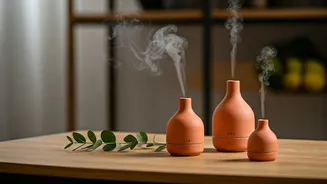
material is a cornerstone of sustainable living. A raw terracotta diffuser brings this same ancient wisdom into your home in a small, beautiful package. It’s more than just a decor piece; it’s a connection to a simpler, more natural way of managing your environment. These diffusers are celebrated not just for their function but for their rustic charm, adding a touch of earthy elegance to any room.
How Science Meets Tradition
The magic of terracotta lies in its porosity. The clay is filled with a network of microscopic pores. When you fill a terracotta diffuser with water, two things happen. First, the clay begins to absorb excess moisture from the humid air around it, acting as a natural, passive dehumidifier. This helps reduce that ‘heavy’ or ‘sticky’ feeling in the room. Second, the water inside the vessel slowly seeps into these pores and evaporates from the outer surface. This process of evaporation requires energy, which it draws from the surrounding air in the form of heat. The result is a subtle but noticeable cooling effect, much like how a matka keeps water cool without refrigeration.
A Step-by-Step Guide for Fresh Air
Using a terracotta diffuser is incredibly simple. Start with a clean, unglazed terracotta vessel with a lid. Fill it about three-quarters full with cool, clean water. For an aromatic experience, you can add 5-10 drops of your favourite essential oil, like lemongrass, lavender, or eucalyptus, which are known for their refreshing properties. Place the lid back on the diffuser—many have small holes to allow for slow evaporation and scent release. Position the diffuser in a room with good air circulation, but not in direct, harsh sunlight. A corner table or a bedside stand is an ideal spot. The effect is gentle, so it’s best suited for smaller spaces like a bedroom, study, or a cosy living room corner.
The Truth About Air 'Purification'
The word ‘purify’ is strong, and it's important to have realistic expectations. A terracotta diffuser is not a medical-grade air purifier like a HEPA filter, which is designed to trap microscopic allergens, pollutants, and viruses. However, it absolutely contributes to cleaner-feeling air. By absorbing excess humidity, it helps inhibit the growth of mould and mildew, which thrive in damp conditions and can negatively impact air quality. Furthermore, the porous surface can trap some larger airborne dust particles that come into contact with it. Think of it less as a purifier and more as an air ‘freshener’ and humidity balancer. It improves your environment by making the air cooler, less damp, and pleasantly scented.
Choosing and Caring for Your Diffuser
When buying a terracotta diffuser, look for one made from raw, unglazed clay. A glazed surface, while sometimes decorative, seals the pores and prevents the evaporative cooling and dehumidifying action. Ensure it’s clean and has no cracks. Maintenance is key to preventing mould or mineral buildup. Change the water every 1-2 days. Once a week, give it a thorough cleaning. Empty the diffuser and gently scrub the inside with a soft brush and a simple mixture of vinegar and water or baking soda paste. Rinse it thoroughly with clean water and let it air dry completely before its next use. This simple routine ensures your diffuser remains effective and hygienic for years to come.