






Choose Monsoon-Ready Plants
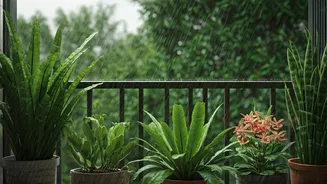
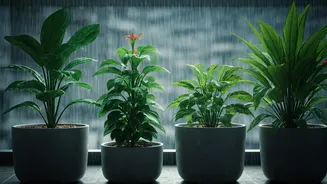
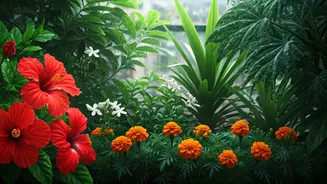
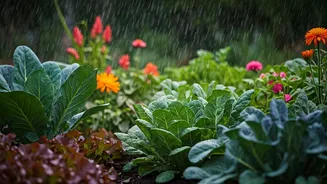
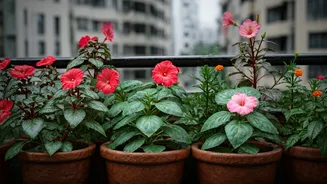
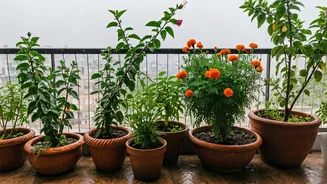
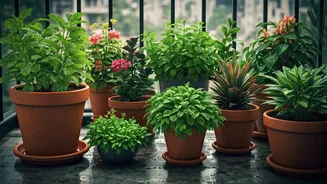
The foundation of a successful rainy season garden is choosing plants that relish high humidity and don't mind a good soaking. Opt for species that are naturally resilient to wet conditions. Tropical flowering plants like hibiscus and periwinkle thrive
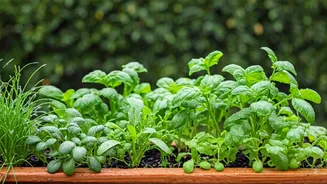
in humidity and add vibrant colour. Fragrant options such as jasmine and mogra (Arabian jasmine) love the moist air. For lush foliage, consider ferns, money plants, areca palms, and monstera, which are all well-suited to the lower light and dampness of the monsoon. Rain lilies are a classic choice, as they famously bloom after a shower. Vegetables like spinach and herbs like mint also grow rapidly in moist soil, allowing you to enjoy a fresh harvest. Avoid succulents and cacti in exposed areas, as they are prone to rot with excessive water.
Master Potting and Drainage
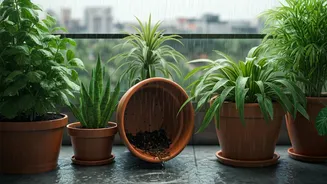
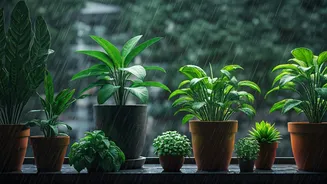
Waterlogging is the biggest enemy of container plants during the monsoon, leading to root rot. Your first line of defence is ensuring impeccable drainage. Every pot must have multiple drainage holes to let excess water escape freely. Before planting, you can add a layer of gravel or pebbles at the bottom of the container. Elevating your pots on bricks, small stands, or 'pot feet' is a crucial step; this allows water to drain away completely and improves air circulation around the roots. It's also best to remove any saucers or drip trays from under your pots during this season, as they collect stagnant water which can attract mosquitoes and harm the plant. Using these methods will help keep the roots healthy and prevent fungal infections.
Use a Lightweight, Well-Draining Soil Mix
Heavy, dense soil retains too much water and can suffocate roots in the rainy season. The ideal potting mix for monsoon gardening is light, airy, and drains quickly. Create your own by combining garden soil with compost, and materials that improve drainage and aeration like cocopeat, sand, or perlite. A good recipe is 40% compost, 40% garden soil, and 20% cocopeat. Perlite, a type of volcanic glass, is excellent for creating air pockets and preventing soil compaction. Avoid using heavy clay soils on their own. A light, well-draining mix ensures that even after a heavy downpour, your plant's roots have access to the oxygen they need to thrive.
Water Smartly and Fertilise Carefully
It may seem counterintuitive, but you still need to monitor your watering schedule during the monsoon. Don't assume the rain is doing all the work. Strong winds can prevent rainwater from reaching the soil, or a dense canopy of leaves can shield it. Always check the top inch of the soil with your finger; if it feels moist, wait another day or two before watering. Overwatering is a common mistake that encourages rot. When it comes to fertiliser, less is more during this season. Plants are in an active growth phase, but heavy rains can wash away chemical fertilisers quickly. Instead, opt for a light top dressing of organic compost or vermicompost every few weeks. This provides a slow, steady release of nutrients without overwhelming the roots.
Prevent Pests and Fungal Diseases
The warm, humid monsoon weather is a perfect breeding ground for pests and fungal diseases like powdery mildew and root rot. Prevention is key. Ensure good air circulation by leaving adequate space between your pots. Regularly prune dead or yellowing leaves and remove any fallen debris from the soil surface to eliminate potential hiding spots for pests. A proactive, natural way to keep pests at bay is to spray your plants with a neem oil solution every week or two. You should also regularly inspect your plants, especially the undersides of leaves, for any early signs of infestation. Keeping your balcony area clean and dry will also discourage snails, slugs, and fungal growth.
Provide Shelter from Wind and Heavy Downpours
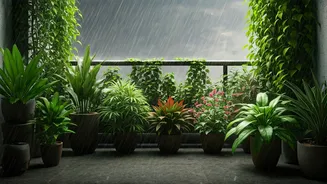
While monsoon-friendly plants are tough, intense downpours and strong winds can still cause physical damage like broken stems and torn leaves. If possible, move smaller, more delicate plants to a sheltered spot during extreme weather, such as against a wall or under an eave. For larger plants that can't be moved, providing support with stakes is a good idea to prevent them from snapping in the wind. If your balcony is very exposed, you might consider installing temporary rain shields or even grouping pots together so they can offer each other some mutual protection from the elements.