





From Off-Season to In-Demand
For years, the monsoon season from June to September was considered a quiet period for India’s hospitality industry. Heavy rains meant fewer tourists and, consequently, lower occupancy rates. That perception is rapidly changing. A structural shift is occurring
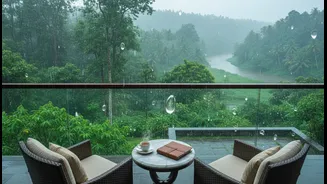
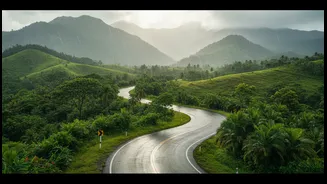
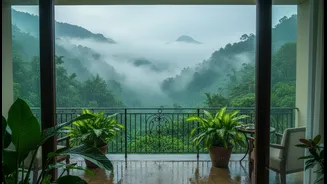
where domestic leisure travel is no longer limited to the traditional summer and winter peaks. Travellers are now actively seeking out the unique beauty of a rain-soaked India, drawn by cooler temperatures, fewer crowds, and stunningly green landscapes. Major hotel groups and travel platforms report that what was once an off-peak window is now a season of high demand, with bookings for July pacing significantly ahead of previous years. This surge is driven by domestic travellers looking for shorter, experience-led getaways.
How Hotels Are Embracing the Rains
In response to this growing demand, hotels are no longer just offering simple off-season discounts. They are curating holistic experiences designed specifically for the monsoon. Instead of just a place to stay, properties are transforming into destinations themselves. Offerings include special monsoon menus featuring regional comfort foods, wellness packages, and indoor recreational activities like pastry masterclasses. Indian Hotels Co Ltd (IHCL), which has seen a 15-17% growth in bookings in Goa, is running a 'Goa Monsoon Feast' promotion across its signature restaurants. The focus has shifted to providing a complete, immersive experience that celebrates the season. This strategy helps hotels maintain healthier occupancy rates and more resilient pricing, even in markets like Goa where tariffs traditionally dropped significantly during the monsoon.
India's Top Monsoon Hotspots
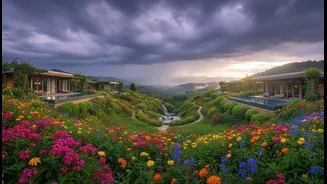
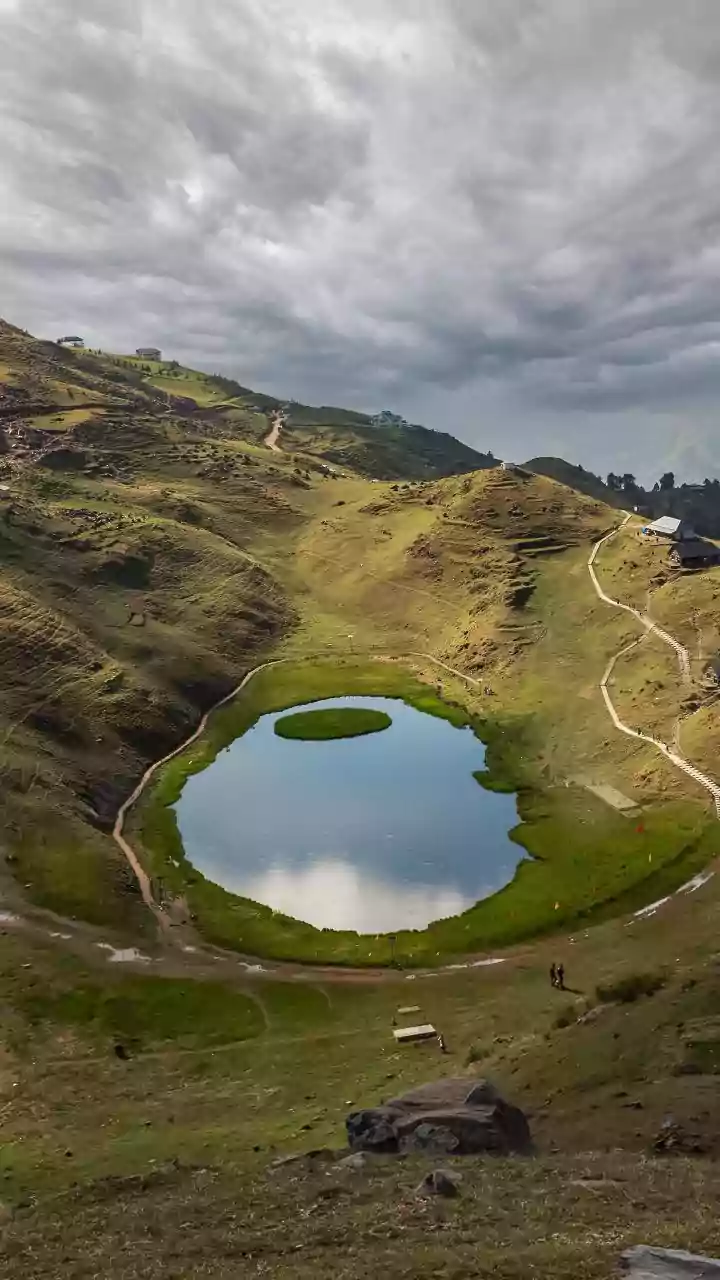
The trend is visible across the country, with certain destinations emerging as clear favourites. In the south, Kerala remains a top draw with its rejuvenated backwaters and tea plantations. Destinations like Munnar, Wayanad, and Coorg are seeing booking growth of nearly seven to ten times compared to last year. In the west, Goa continues to be popular, with flight and hotel searches surging. Hill stations in the north, such as Nainital, Mussoorie, and Shimla, are also attracting travellers seeking misty mountain views. Even Rajasthan, with cities like Udaipur, becomes particularly romantic during the rains. Beyond the usual suspects, northeastern states like Nagaland and Arunachal Pradesh are emerging as standout performers, recording a 62% year-on-year rise in flight bookings.
The New Monsoon Itinerary
So, what does a modern monsoon holiday look like? It's less about sightseeing and more about experiencing the destination's atmosphere. Travellers are seeking personal interests like wellness, spirituality, and nature. In Kerala, this might mean a week-long Ayurveda retreat, which is considered most effective during the monsoon’s Karkidakam season. In Coorg, it could be a stay at a luxury resort set amid coffee plantations with views of rain-drenched valleys. In Goa, while the beach shacks may be closed, the focus shifts inland to spice plantation tours and visiting majestic waterfalls like Dudhsagar. The new itinerary is about slowing down, whether it's enjoying a hot cup of masala chai while watching the rain from a hotel in Lonavala or taking a sunset cruise on the Mandovi River in Goa.