

The Foundation: Perfectly Fluffy Quinoa
Before we get fancy, let's master the basics. The key to fluffy, distinct grains starts with a thorough rinse to remove saponin, a natural coating that can taste bitter or soapy. The second step is nailing the liquid ratio. While many packages suggest
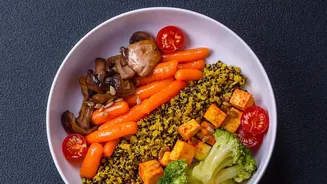
a 2:1 ratio of water to quinoa, most seasoned cooks find that using slightly less liquid—around 1 ¾ cups of water for every 1 cup of dry quinoa—prevents a mushy outcome. For extra flavour, toast the dry, rinsed quinoa in a saucepan for a few minutes until it becomes fragrant and golden brown before adding your liquid. This simple step enhances its naturally nutty profile.
The Toasted Crunch: Oven-Crisped Quinoa
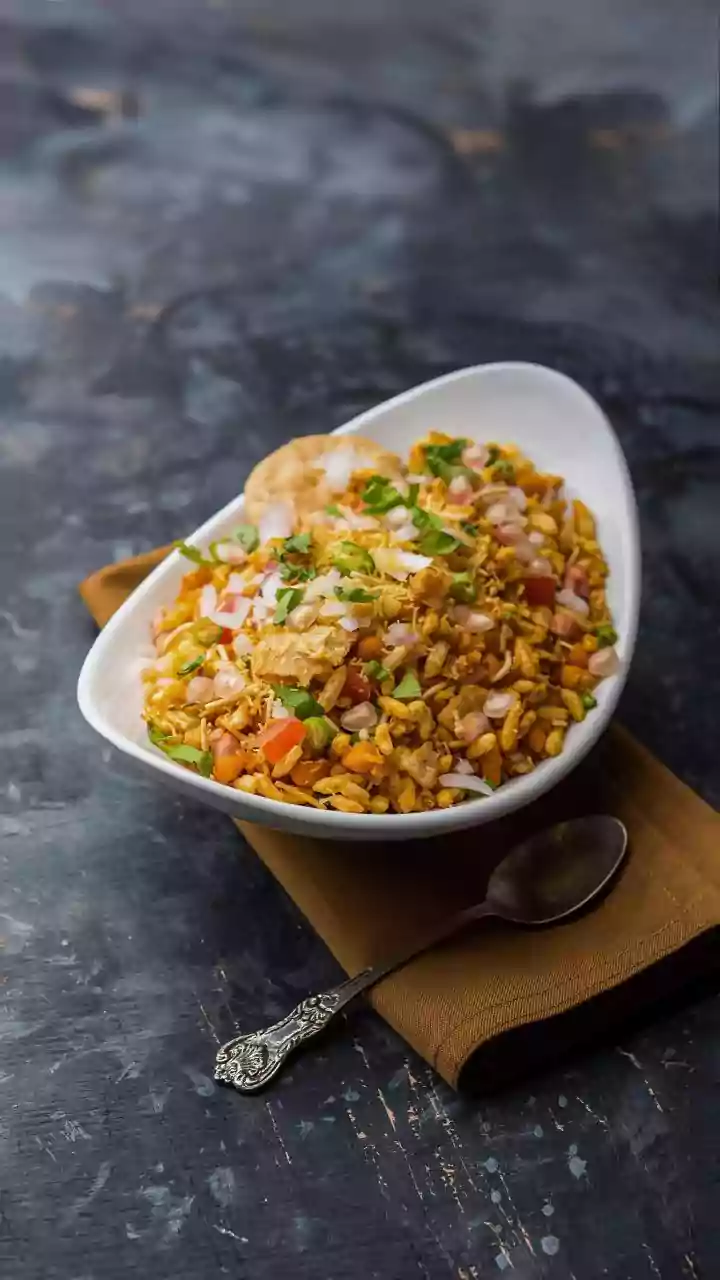
One of the most satisfying ways to transform quinoa is by making it crispy. This technique is incredibly simple and adds a delightful crunch to salads, soups, and yogurt bowls. After cooking your quinoa, let it cool completely. Then, toss it on a baking sheet with a light drizzle of olive oil and your favourite spices. Roast it in a hot oven (around 190-200°C) for 25-30 minutes, stirring every 10 minutes, until the grains are golden brown and crunchy. The result is a toasty, nutty, and irresistibly crisp topping that provides a beautiful textural contrast in any dish.
The Creamy Comfort: Peruvian-Style 'Quinotto'
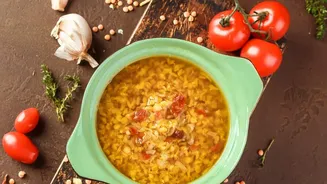
Inspired by Italian risotto, Peruvian cuisine features 'quinotto', a creamy, luxurious dish that proves quinoa can be comforting and rich. Instead of cooking the quinoa all at once, you treat it like Arborio rice. Start by sautéing aromatics like onion and garlic, then toast the quinoa in the pan. From there, add warm broth or stock one ladleful at a time, stirring continuously and allowing the liquid to be absorbed before adding more. This slow-cooking process releases the starches from the quinoa, creating a creamy consistency without necessarily needing a lot of dairy. To finish, you can stir in Parmesan cheese, a splash of cream, or nutritional yeast for a velvety texture.
The Light and Airy Pop: Puffed Quinoa
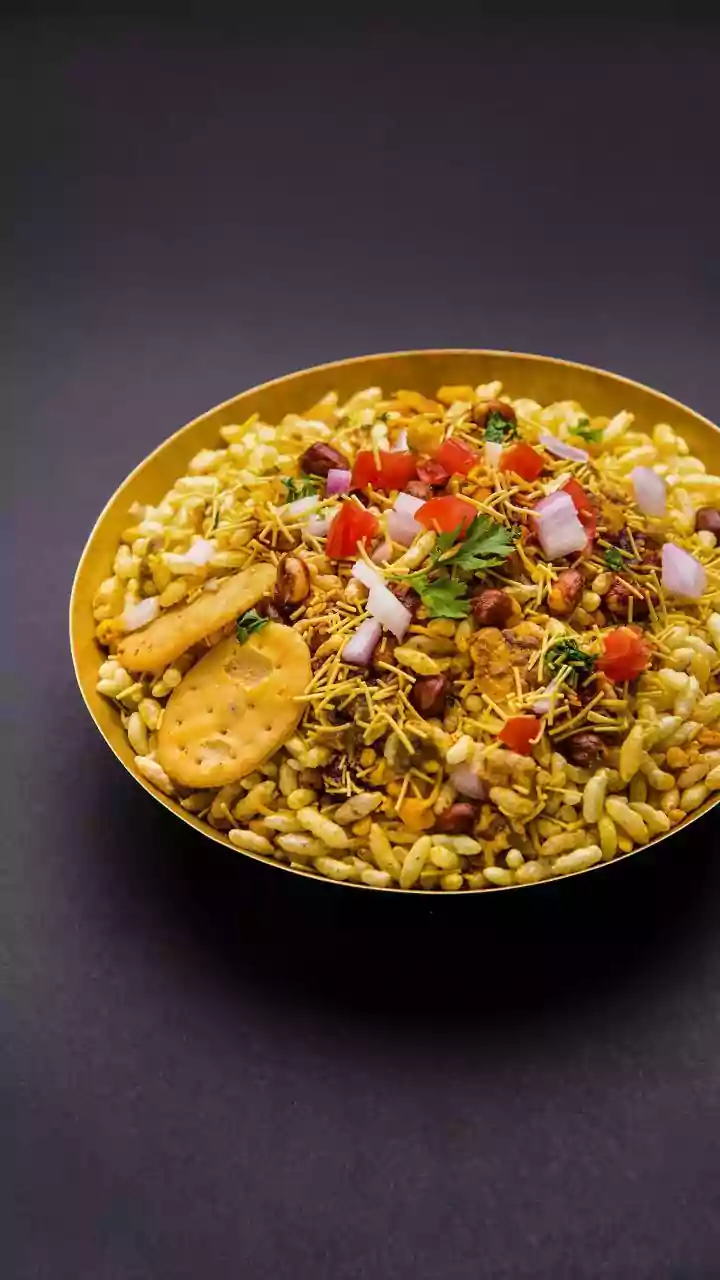
Just like corn, quinoa grains can be 'popped' to create a light, airy, and crispy snack. To make it at home, you need a hot, dry, heavy-bottomed pan over medium-high heat. Ensure your cooked quinoa is completely dry before starting. Add the grains in a single layer—don't overcrowd the pan—and cover with a lid. Shake the pan constantly until you hear the grains start to pop. This takes only a minute or two. Once popped, they can be used in homemade granola bars, as a cereal, or mixed into chocolate for a crunchy treat.
The Chewy Bite: Middle Eastern Tabbouleh-Style
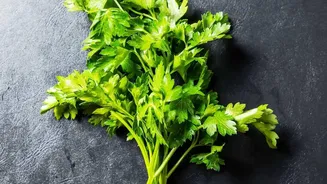
In the Middle East, salads like tabbouleh are celebrated for their fresh flavours and satisfying textures. While traditionally made with bulgur wheat, quinoa is a fantastic gluten-free substitute that offers a pleasant chewiness when prepared correctly. The secret is to cook the quinoa until it's just done (al dente) and then let it cool completely. Warm quinoa will become mushy when mixed with dressing. By cooking it a bit on the dry side and allowing it to cool, the grains stay separate and maintain a firm, chewy texture that holds up well against a zesty lemon and olive oil dressing and fresh herbs.
The Binding Power: Quinoa Flour
For a completely different texture, you can use quinoa in its ground form: as a flour. Quinoa flour is a protein-rich, gluten-free option for baking. It provides a dense, moist, and hearty texture to goods like pancakes, muffins, and quick breads. Because of its high protein content, it helps give structure to gluten-free recipes that might otherwise be crumbly. You can buy quinoa flour or make it yourself by blending dry quinoa grains in a high-powered blender until a fine powder forms. For the best flavour, some recommend toasting the flour lightly in a dry pan or oven before using.