
A Shift on the Dining Table
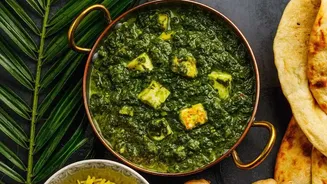
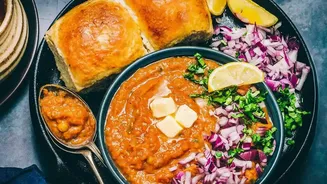
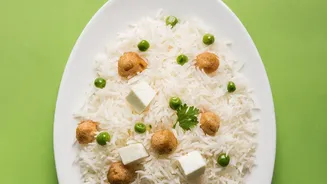
India has one of the largest vegetarian populations in the world, with a culinary tradition that is thousands of years old and deeply woven into the cultural fabric. Dishes like dal makhani, paneer butter masala, and vegetable biryani are not just meals;
they are comfort, tradition, and celebration. Yet, a noticeable trend is emerging. While love for these classics remains strong, a growing number of Indian diners, particularly millennials and Gen Z, are enthusiastically exploring the vegetarian offerings from other parts of Asia.
The Allure of New Flavours
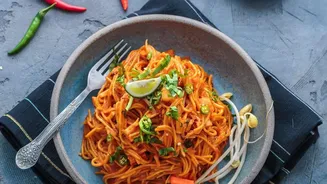
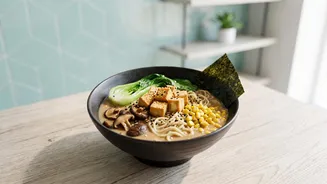
What’s driving this culinary curiosity? A key factor is the exposure to global cultures through travel and the internet. Watching a character in a popular Korean drama slurp down a bowl of bibimbap or seeing a vibrant Thai green curry on a travel influencer’s feed sparks a desire to taste these dishes. Pan-Asian cuisines offer a different palette of flavours—the savoury depth of umami from Japanese miso and soy sauce, the spicy-funky kick of Korean gochujang, and the fragrant blend of lemongrass and galangal in Thai cooking. This offers a novel experience compared to the familiar spice profiles of traditional Indian food.
From Japanese Sushi to Korean Bowls
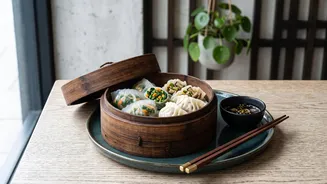
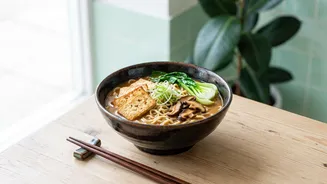
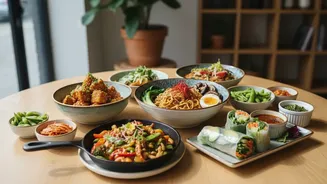
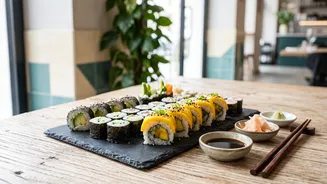
The popularity of specific cuisines is booming. Japanese food, once seen as a high-end, non-vegetarian-focused option, is now widely available with extensive vegetarian menus. Restaurants are offering everything from avocado and cucumber maki rolls to vegetable tempura and tofu teriyaki. Similarly, the Korean wave has brought a craving for dishes like vegetarian bibimbap (mixed rice with vegetables), tteokbokki (spicy rice cakes), and kimchi fried rice. Restaurants are adapting these dishes for the Indian palate, often creating paneer or tofu-based versions to provide familiar protein sources. Indo-Chinese food has long been a staple, but the new trend moves beyond Hakka noodles and Manchurian to embrace more authentic and diverse offerings from across East and Southeast Asia.
More Than Just Food, It's an Experience
The appeal isn't just about taste. Pan-Asian restaurants often provide a different dining atmosphere and experience. The aesthetic of a minimalist Japanese restaurant, the interactive fun of a Korean BBQ (with vegetarian grills), or the street-food vibe of a Vietnamese eatery offers a sense of novelty and occasion. This focus on the overall experience, from presentation to ambiance, resonates strongly with younger diners who are looking for shareable moments and unique outings. Many diners see trying a new global cuisine as a form of entertainment and cultural exploration.
Restaurants Embrace the Change
The Indian restaurant industry has been quick to respond. The number of standalone Pan-Asian restaurants has surged, not just in metros like Mumbai and Bengaluru but also in Tier-2 and Tier-3 cities. Food delivery platforms report significant year-on-year growth in orders for Korean and other Asian cuisines. Chefs are innovating by both importing authentic ingredients to deliver genuine flavours and creating fusion dishes that blend Asian techniques with local tastes, such as gochujang-flavoured paneer wraps or kimchi fried rice. This adaptability ensures that the trend is accessible to a wide range of palates, from the purist to the curious newcomer.