







The Festive Fitness Dilemma
As the calendar fills with gatherings, late-night card parties, and endless trays of sweets, the hour-long gym session can feel like an impossible task. The social and cultural pressures, combined with disrupted schedules, often lead to an all-or-nothing
mindset: if you can't manage a full workout, you do nothing at all. This common pitfall can make you feel sluggish and lead to unwanted weight gain that can linger long after the celebrations are over. But fitness experts and trends are now pointing towards a more realistic and sustainable solution—one that prioritises consistency over intensity and fits seamlessly into the busiest of days. The goal is to reframe exercise from a rigid appointment to a flexible part of your day.
The Rise of 'Activity Snacking'
Enter the concept of 'exercise snacking'. This trend involves breaking up physical activity into small, manageable chunks—from five to 15 minutes—spread throughout the day. Think of it as small, nourishing bites of movement rather than one large, time-consuming meal. Research shows that these short bursts of activity are surprisingly effective. They can help improve blood sugar control, boost cardiovascular health, and increase energy levels. The beauty of this approach is its accessibility; it requires no gym membership or special equipment and can be done anywhere, anytime. Whether it's a quick set of squats while waiting for the kettle to boil or climbing a few flights of stairs between social visits, every little bit counts towards your daily fitness goals.
Your Bite-Sized Workout Menu
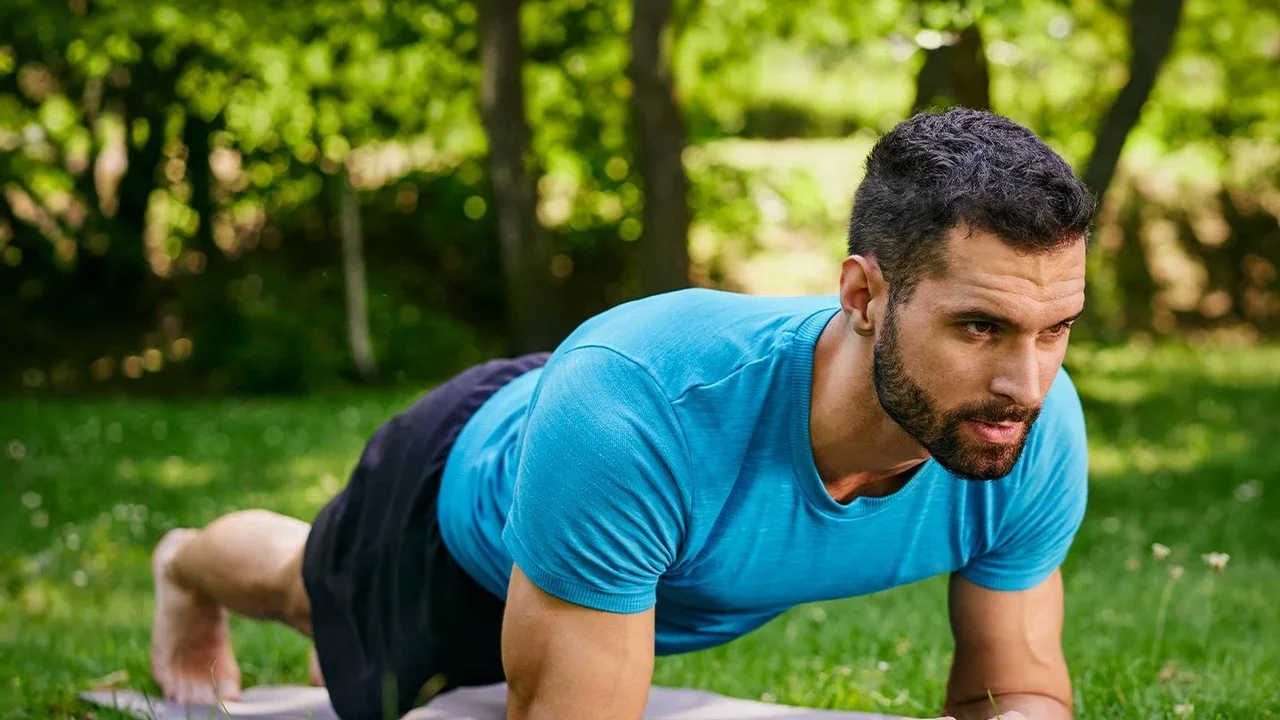
Building a routine of exercise snacks is all about having a menu of quick options at your disposal. Bodyweight exercises are perfect for this, as they use your own resistance to build strength and can be done in any small space. A simple 10-minute circuit could include three rounds of exercises like squats, push-ups, and planks. For a quick cardio boost, try a few minutes of jumping jacks, high knees, or even dancing to your favourite festive songs. Even five minutes of stretching or a short yoga flow in the morning can help keep your metabolism active and prevent that sluggish feeling. The key is to find activities you enjoy and can perform with minimal setup, making it easy to squeeze them in before the day’s festivities begin.
Make Your Daily Routine More Active
Beyond structured mini-workouts, you can weave more movement into your daily festive activities. This is often called Non-Exercise Activity Thermogenesis (NEAT), and it refers to the energy you burn doing everyday things. During the festive season, this can be as simple as choosing to take the stairs instead of the lift when visiting relatives or parking your car a little further away from the market. Instead of sitting during long phone calls with family, pace around the room. Offer to help with active chores like decorating or cleaning. Even a brisk 10-minute walk after a heavy festive meal can aid digestion and help manage blood sugar levels. These small choices accumulate, helping you stay active without formally 'working out'.
Shift Your Mindset from Perfection to Consistency
Perhaps the most important shift is mental. The festive season is not the time to aim for personal bests or dramatic fitness gains. Instead, the goal should be maintenance and consistency. Celebrate every bit of movement you manage, no matter how small. By letting go of the pressure to perform a perfect, hour-long workout, you free yourself to embrace what is possible on any given day. This flexible mindset reduces guilt and makes it more likely that you will stay active. Remember, consistency always wins over perfection. Scheduling these short bursts of activity in your calendar, just like any other appointment, can also help ensure you make time for them.