

Tyres: Your First Line of Defence
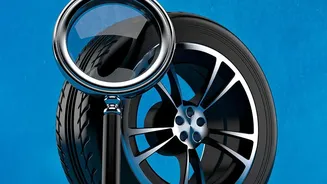
Your tyres are the only part of your vehicle in direct contact with the road. In wet conditions, their role becomes even more critical. Proper tread depth is essential for channelling water away from the tyre, preventing a dangerous situation known as
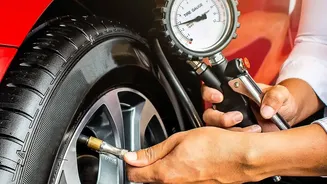
hydroplaning where you lose steering control. Worn-out tyres can’t grip slippery surfaces effectively, significantly increasing your braking distance. Before you drive, quickly inspect your tyres. Look for visible wear indicators—small bars of rubber in the grooves that become flush with the tread when it's too worn. Also, ensure your tyres are inflated to the pressure recommended in your car’s manual. This simple check maintains stability and grip, giving you crucial control when you need it most.
Wipers: For a Clear View Ahead
Visibility is paramount in a downpour. Your windshield wipers are your best tool for maintaining a clear view of the road. However, wipers degrade over time due to sun exposure and dirt. Before it rains, check the rubber blades for any signs of cracking, fraying, or hardening. When they operate, they should clear the screen smoothly without leaving streaks or making squeaking noises. If they do, it’s a clear sign they need replacing. Also, make sure your windshield washer fluid reservoir is full. Using wipers on a dry, dusty windshield can damage the blades, so always spray fluid first if needed. A clean windshield and effective wipers work together to help you see and react to hazards.
Lights: See and Be Seen
In the gloom of heavy rain, your vehicle's lights are not just for helping you see—they're for helping others see you. Reduced visibility makes it harder for other drivers to spot your car, increasing the risk of accidents. Before your journey, take a moment to ensure all your lights are working: headlights (both low and high beams), taillights, brake lights, and turn signals. Using low-beam headlights during daytime rain makes your vehicle significantly more visible. Avoid using high beams, as they can reflect off the rain and cause glare for oncoming drivers. Clean, functioning lights are a non-negotiable safety feature in bad weather.
Brakes: Your Ultimate Safety Net
Wet roads mean longer stopping distances, placing immense importance on the condition of your brakes. While you can't see the brake pads easily, you can listen for warning signs. If you hear any squeaking, grinding, or feel a sponginess in the brake pedal, it's crucial to get them inspected by a professional immediately. After driving through a deep puddle, water can get on the brake rotors and temporarily reduce their effectiveness. It's a good practice to lightly tap your brake pedal a few times after clearing deep water to help dry them off. A responsive braking system is your final and most important safety check, giving you the confidence to stop safely when it matters.
The Pre-Drive Summary
Integrating these checks into your routine, especially during the monsoon season, takes only a few minutes but provides invaluable peace of mind. A quick walk around your car to glance at the tyres, a flick of the wiper switch, and a check of the lights are small habits that yield significant safety benefits. Driving in heavy rain demands more from both the driver and the vehicle. By ensuring your car is up to the task, you’re not just protecting your own vehicle; you’re contributing to the safety of everyone on the road. Don't wait for the storm to hit to find a problem. A proactive check is always the best policy.