



Jamun (Java Plum)
A quintessential monsoon fruit, the jamun, or Java plum, is loved for its unique combination of sweet, tart, and astringent flavours. The best ones are plump with a deep, dark purple, almost black, colour. Avoid any that look reddish or light purple, as they
will likely be sour. Fresh jamun should have smooth, glossy skin without any blemishes or soft spots. A ripe fruit will feel firm but give slightly when you press it gently. If it feels hard, it is probably unripe, whereas a mushy texture indicates it is overripe. A mild, pleasant aroma is also a good sign of freshness; any fermented or sour smell means the fruit is past its best.
Peaches (Aadu)
Velvety and fragrant, peaches are a delightful monsoon treat. When selecting peaches, look for a vibrant, warm yellow or golden background colour, especially near the stem. While a red blush is common, it is a result of sun exposure and not necessarily an indicator of ripeness. Avoid peaches with any green tinge, as they were picked too early and may not ripen properly. A ripe peach should feel heavy for its size, which suggests it is full of juice. Gently hold it in your palm; it should yield slightly to gentle pressure without being mushy. Finally, trust your nose. A ripe peach will have a sweet, unmistakable fruity fragrance.
Litchi
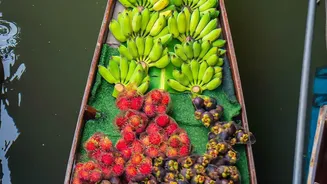
This sweet, juicy fruit is a monsoon favourite for its refreshing taste. A ripe litchi will have a bright pinkish-red or rosy-red shell. Avoid those that are green (unripe) or have brown patches, which could signal they are spoiling. The fruit should feel firm but springy when you gently press it; if it is too hard, it's not ready, and if it is mushy, it is overripe. Litchis that feel heavy for their size are typically juicier. A fresh, ripe litchi will also have a subtle floral scent. If it smells fermented or sour, it is best to avoid it. Since litchis do not ripen further after being picked, it is important to choose them carefully at the market.
Plums (Aloo Bukhara)
Plums, known as Aloo Bukhara in India, are another star of the monsoon season, offering a sweet and tangy flavour. Ripe plums should be plump and well-coloured, with shades ranging from red to deep purple depending on the variety. A good sign of freshness is a natural, dusty-white coating on the skin, which indicates they haven't been overhandled. Like peaches, they should feel heavy for their size and have a slight give when pressed gently. Avoid plums that are rock-hard, have shrivelled skin, or any mushy spots. A sweet, fruity aroma near the stem is another reliable sign of a perfectly ripe plum.
Pears (Nashpati)
Crisp and juicy, Indian pears, or Nashpati, are a refreshing choice during the humid monsoon months. Unlike many other fruits, pears ripen best after being picked. A key indicator of ripeness is to gently press the neck of the pear near the stem. If it yields slightly, it is ready to eat. The main body of the pear will remain firm. The skin colour should have lightened from a deep green to a pale green or greenish-yellow. Avoid pears with soft spots or bruises. If you buy firm pears, you can leave them at room temperature for a few days to ripen.
Cherries
These small, vibrant fruits make a brief but welcome appearance during the Indian monsoon. When choosing cherries, look for those with a bright, uniform red colour and a glossy sheen. They should be firm and plump. Check the stems; fresh cherries will have green, flexible stems still attached. If the stems are missing or have turned brown, the cherries are likely not as fresh. Avoid any that appear shrivelled, soft, or have visible blemishes. Their sweet-tart flavour makes them a perfect snack on a rainy day.