

What Makes a Snack Heart-Friendly?
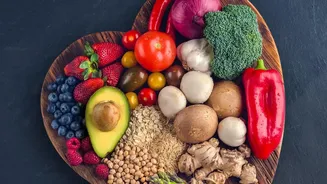
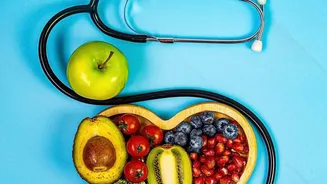
Before diving into the ideas, it's helpful to know what you're looking for. A heart-healthy snack is typically rich in nutrients that support cardiovascular function. This includes fibre, which can help manage cholesterol levels, and healthy fats like
monounsaturated and polyunsaturated fats. These snacks are also naturally low in sodium, added sugars, and saturated fats, which are best consumed in moderation for optimal heart health. The goal is to choose whole, minimally processed foods that provide sustained energy and nourishment.
Roasted Chickpeas (Chana)
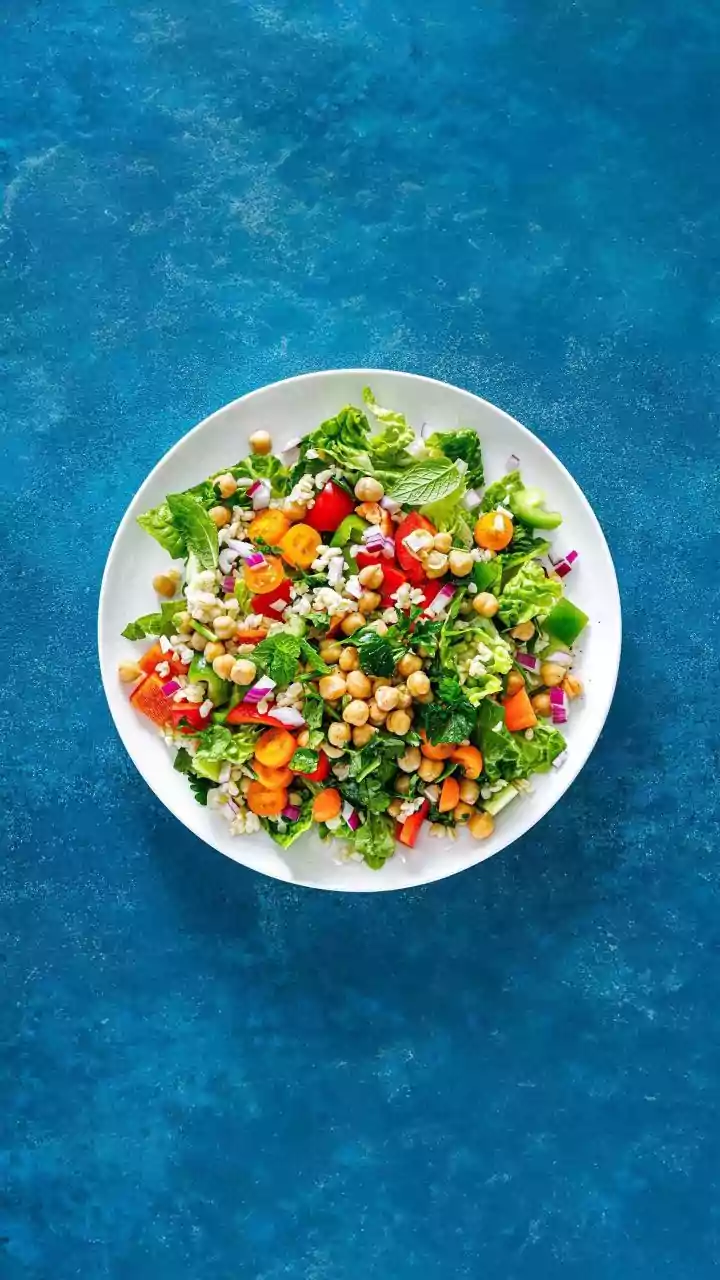
A crunchy, savoury alternative to potato chips, roasted chickpeas (chana) are packed with fibre, plant-based protein, and minerals like magnesium and potassium that support heart function. Preparation is simple: drain and dry a can of chickpeas, toss them with a teaspoon of olive oil and your favourite spices (like cumin, paprika, or chaat masala), and roast at 200°C until golden and crispy. They satisfy the craving for a crunchy texture without the excess sodium and unhealthy fats of many packaged snacks.
A Handful of Almonds and Walnuts
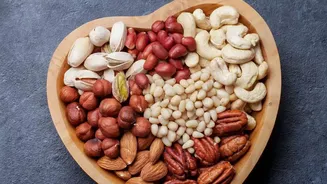
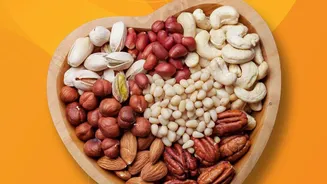
Nuts are a powerhouse of heart-healthy nutrients. Almonds and walnuts, in particular, are celebrated for their high content of unsaturated fats, omega-3 fatty acids, and fibre, which have been linked to lower 'bad' LDL cholesterol and reduced inflammation. Walnuts have the highest amount of plant-based omega-3s (ALA), which is essential for heart health. A small, un-salted handful is the perfect portion size for a filling snack that helps improve artery health and lowers the risk of blood clots.
Yoghurt with Berries or Seeds
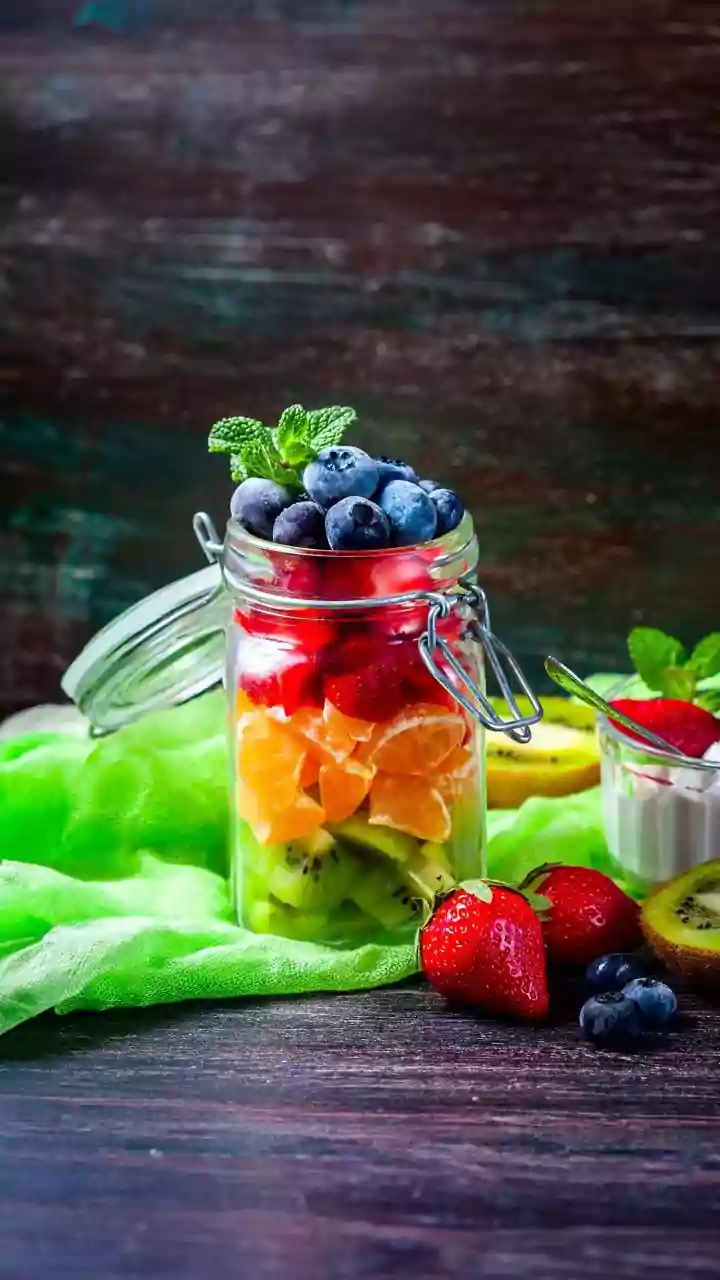
Plain, unsweetened yoghurt is an excellent source of protein and probiotics, and studies have linked regular consumption to healthier blood pressure and cholesterol levels. To avoid the high sugar content of many flavoured varieties, start with plain yoghurt or dahi and add your own toppings. Fresh or frozen berries provide natural sweetness and a boost of heart-protective antioxidants, while a sprinkle of chia or flax seeds adds fibre and beneficial omega-3s.
Sprouted Moong Salad
A staple in many Indian households, sprouted moong (green gram) is a nutritional powerhouse. The sprouting process makes nutrients more available, boosting levels of protein, fibre, and vitamins. This simple salad is incredibly good for your heart, with studies showing that sprouted legumes can help lower cholesterol, regulate blood pressure, and control blood sugar. Simply toss the sprouts with chopped cucumber, tomato, onion, and a squeeze of lemon juice for a refreshing and deeply nourishing snack.
Apple Slices with Nut Butter
This classic combination is a perfect balance of sweet, crunchy, and creamy. Apples are high in fibre, while a natural nut butter (look for varieties without added sugar or salt) provides healthy fats and protein. This pairing keeps you feeling full and satisfied, preventing the energy spikes and crashes associated with sugary snacks. The convenience factor is high, as it requires no cooking and can be prepared in just a minute.
Vegetable Sticks with Hummus
For a savoury crunch, raw vegetable sticks are an unbeatable choice. Carrots, cucumbers, and bell peppers are full of fibre and antioxidants. Pairing them with hummus adds a dose of plant-based protein and healthy fats, making the snack more substantial and satisfying. It’s an easy way to increase your vegetable intake for the day while enjoying a delicious, dip-able snack that supports your cardiovascular wellness.