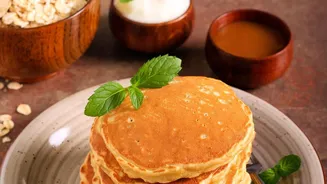






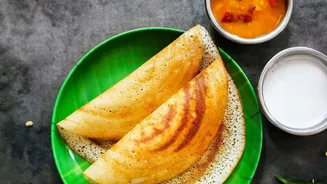
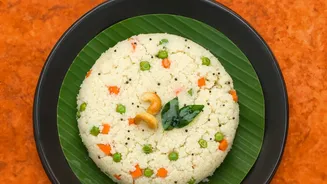
The classic South Indian adai is a protein-packed powerhouse. But what if you could make this beloved lentil pancake even healthier and quicker? Enter Oats Adai, a modern twist that brings wholesome fibre and convenience to your kitchen.
The Soul of a Classic
For generations,
adai has been a staple in South Indian homes, particularly in Tamil Nadu. It's a savoury, thick pancake made from a batter of mixed lentils (dals) and rice. Unlike its cousin the dosa, traditional adai batter doesn't require fermentation, making it a relatively quick meal to prepare after soaking the ingredients. Known for its coarse texture and rich, nutty flavour from the combination of dals like toor, chana, and urad, it's a deeply satisfying and nutritious meal often served for breakfast or dinner.
The Modern Twist: Why Oats?
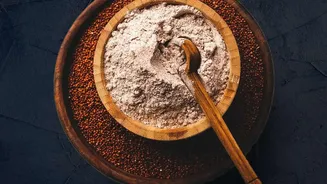
Substituting some or all of the traditional rice with oats introduces a wealth of benefits. Oats are an excellent source of dietary fibre, particularly a soluble fibre called beta-glucan, which is known for helping to lower cholesterol and stabilize blood sugar levels. This makes Oats Adai an even more compelling option for a healthy lifestyle. Functionally, oats also make the process faster. While lentils still require a few hours of soaking, oats can be powdered and mixed in directly, cutting down on overall prep time. The result is a pancake that is often softer and lighter than the original, while still being incredibly filling and packed with nutrients.
Your Essential Ingredients
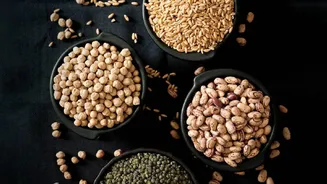
This recipe balances tradition with the modern oats twist. You will need a mix of lentils to get that classic adai flavour. Gather one-quarter cup each of toor dal (split pigeon peas), chana dal (split Bengal gram), and moong dal (split green gram), plus two tablespoons of urad dal (split black gram). For the star ingredient, you’ll need one cup of quick-cooking or rolled oats. To build flavour, have three to four dried red chillies, a one-inch piece of ginger, a generous pinch of asafoetida (hing), half a teaspoon of cumin seeds, and salt to taste. For finishing the batter, you'll want one finely chopped onion and some chopped curry or coriander leaves.
Crafting the Perfect Batter
First, thoroughly wash and soak all four dals together in water for about two to three hours. While the dals are soaking, you can prepare the oats by grinding them into a coarse or fine powder in a mixer; set this aside. Once the dals have soaked, drain them and transfer to a blender. Add the dried red chillies, ginger, cumin seeds, and asafoetida. Grind everything into a coarse paste, adding just enough water to get the blades moving. Pour this lentil paste into a large mixing bowl. Now, add the prepared oats powder, the finely chopped onion, coriander or curry leaves, and salt. Mix everything together thoroughly. Add water gradually until you achieve a thick, pourable batter, similar to that of a standard pancake but not too runny. Let the batter rest for 10-15 minutes.
From Pan to Plate
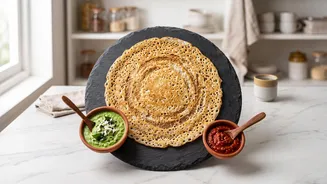
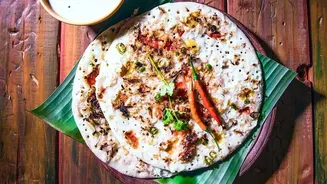
Heat a flat nonstick tawa or a cast iron skillet over medium heat. Once hot, lightly grease it with oil or ghee. Pour a ladleful of the Oats Adai batter onto the centre of the pan and spread it in a circular motion to form a pancake. Don’t make it as thin as a regular dosa; adai is meant to be thicker. Many cooks make a small hole in the centre of the adai, which helps it cook more evenly. Drizzle a teaspoon of oil around the edges and in the centre hole. Let it cook for two to three minutes, or until the bottom side is golden brown and crispy. Carefully flip the adai and cook the other side for another minute or two. Serve immediately while hot.
Serving and Storage Tips
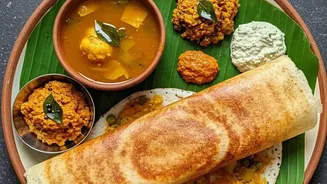
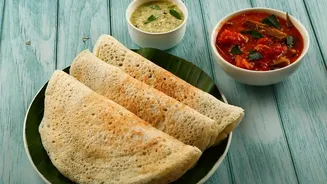
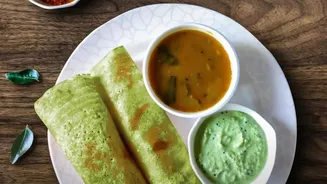
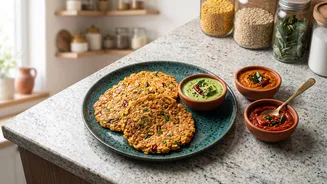
Hot Oats Adai is wonderfully versatile. Traditionally, it’s served with a side of avial (a mixed vegetable stew), fresh coconut chutney, or simply a piece of jaggery and a dollop of white butter. The combination of the savoury, spicy adai with something sweet or tangy is a true delight. Leftover batter can be stored in an airtight container in the refrigerator for up to two days. The batter may thicken upon refrigeration, so you might need to add a little water to get it back to the right consistency before making your next batch.