







A Shift in Seasonal Travel
The long-held belief that the monsoon is an off-season for travel is rapidly fading. A fundamental shift is underway as Indians increasingly embrace rain-soaked landscapes, cooler temperatures, and the appeal of less-crowded destinations. Recent data
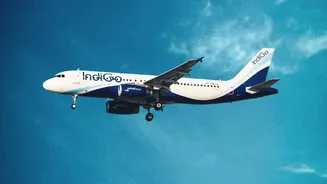
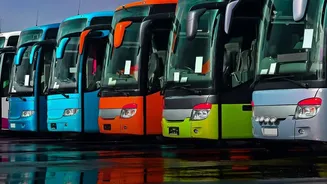
from travel aggregators highlights this change, with some platforms reporting a staggering 140% year-on-year surge in bus bookings this season. This isn't just about finding a good deal; it reflects a deeper desire for quick, refreshing breaks and unique, nature-based experiences that the monsoon delivers in abundance. Several factors are fuelling this trend. The uncertainty of air travel, with frequent delays and soaring fares during the rainy season, has made buses a more reliable and cost-effective alternative. Furthermore, buses offer last-mile connectivity to remote hill stations and coastal towns that trains and planes simply cannot reach, opening up a new world of travel possibilities.
The Rise of the Road Trip
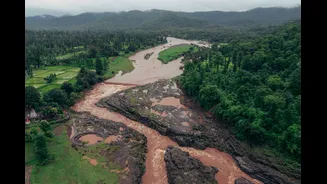
At the heart of the monsoon travel boom is the humble road trip. The dramatic increase in bus bookings points to a growing appetite for shorter, more flexible journeys that allow travellers to soak in the scenery. The journey itself—watching the landscape transform into a vibrant green canvas—has become a key part of the vacation experience. This trend is particularly strong for destinations near major urban centres. The Western Ghats, with popular hill stations like Lonavala, Mahabaleshwar, Munnar, and Coorg, have become a paradise for residents of Mumbai, Pune, and Bengaluru. According to travel platform reports, destinations in Kerala are seeing massive interest, with hotel bookings in Wayanad spiking by over 160% and in Alleppey by over 145%. Other southern gems like Kodaikanal and Ooty have also seen booking growth upwards of 70%.
Emerging Monsoon Hotspots
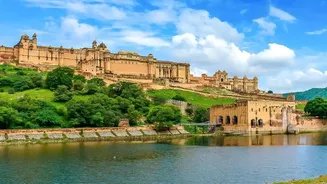
While the Western Ghats remain a classic choice, the monsoon wanderlust is spreading across the country. The Northeast is emerging as a powerful new hub for rainy-season travel. States like Nagaland and Arunachal Pradesh have recorded remarkable growth in flight and hotel bookings, with travellers drawn to the region's pristine natural beauty. In the north, destinations like Rishikesh and Mussoorie have seen a significant spike in searches, climbing the ranks of most popular domestic destinations. Even Rajasthan, often perceived as a dry state, is attracting visitors to places like Udaipur, where the lakes are full and the palaces look dramatic against cloudy skies. This geographic diversification shows that travellers are actively seeking out the unique charm that the monsoon brings to different parts of India, from coastal plains to Himalayan foothills.
How to Plan Your Monsoon Bus Journey
Embracing a monsoon bus trip requires a bit of planning to ensure the journey is both comfortable and safe. Booking in advance is crucial, especially for popular routes during long weekends in July and August, as premium sleeper berths sell out quickly. When booking, consider an AC sleeper bus for overnight journeys; the ride is more comfortable, and it provides better insulation from the cool, damp weather. Modern booking platforms have made the process seamless. Travellers can compare different bus operators, check ratings, and use features like live GPS tracking to monitor their journey and account for potential weather-related delays. Packing smart is also key. Keep essentials like a raincoat, a waterproof bag for electronics, and appropriate footwear with good grip. For safety on the road, always choose a reputable bus operator known for its well-maintained fleet and experienced drivers trained for wet conditions.