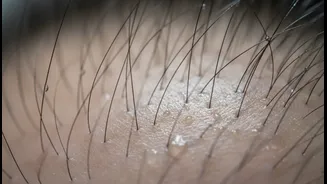









Start With Your Wash Routine
During humid seasons, your scalp produces more oil, which can mix with sweat and environmental pollutants, leading to buildup and irritation. Washing your hair two to three times a week is often recommended to keep the scalp clean without stripping its
natural oils. Over-washing can trigger your glands to produce even more oil to compensate. When you do wash, use your fingertips to gently massage a mild, sulfate-free shampoo into your scalp. This helps to remove grime and dead skin cells while stimulating blood circulation.
Choose the Right Shampoo
Not all shampoos are created equal, especially when humidity is high. Look for products with ingredients known to combat oiliness and fungal issues. Anti-fungal shampoos containing active ingredients like ketoconazole or zinc pyrithione can be rotated into your routine once or twice a week to manage dandruff and itchiness. For regular washes, clarifying shampoos with natural ingredients like tea tree oil, salicylic acid, or green tea extract can help control oil and soothe the scalp. If you have chemically treated hair, opt for paraben-free and sulfate-free formulas to avoid extra damage.
Exfoliate Your Scalp Weekly
Just like the skin on your face, your scalp benefits from regular exfoliation to remove dead skin cells, product buildup, and excess sebum that can clog hair follicles. You can use a gentle physical scrub with fine particles like sugar or a chemical exfoliant containing salicylic or glycolic acid. A scalp brush used during shampooing can also help loosen debris and boost circulation. For a simple DIY option, an apple cider vinegar rinse (one part vinegar to three parts water) after shampooing can help clarify the scalp and restore its pH balance.
Don't Skip Conditioner, But Apply It Wisely
Skipping conditioner might seem like a good idea to avoid weighing your hair down, but it's a crucial step. Shampooing opens up the hair's cuticles, and conditioner seals them, preventing hair from absorbing excess moisture from the air and becoming frizzy. The trick is in the application. Apply a lightweight conditioner only from the mid-lengths to the ends of your hair, avoiding the scalp entirely to prevent greasiness at the roots.
Keep Your Scalp Dry
One of the golden rules for a healthy scalp in damp weather is to never let it remain wet for long periods. A damp, warm scalp is a perfect breeding ground for fungus and bacteria. If you get caught in the rain, try to wash your hair as soon as possible. After every wash, gently towel-dry your hair and consider using a blow dryer on a cool setting to ensure your scalp is completely dry. Avoid tying up wet or damp hair, as this traps moisture and can lead to scalp irritation and infections.
Use Natural Remedies for Soothing
Several natural ingredients can help soothe an irritated and itchy scalp. Aloe vera gel has cooling and anti-inflammatory properties that can calm irritation. You can apply it directly to the scalp for 20-30 minutes before rinsing. Tea tree oil is another powerful ingredient known for its natural antifungal and antibacterial properties; add a few drops to a carrier oil like coconut oil and massage it into your scalp before washing. A rinse made from boiling neem leaves in water can also help fight fungal issues.
Rethink Your Styling Products and Diet
Heavy styling products like thick creams, waxes, and oil-based serums can trap moisture and dirt, worsening scalp issues. Opt for lightweight, water-based formulas and avoid applying them directly to your scalp. Your diet also plays a role. Eating a balanced diet rich in protein, leafy greens, nuts, and seeds provides essential nutrients like biotin and omega-3s that support scalp health from within. Staying hydrated by drinking plenty of water is also crucial for maintaining a balanced scalp.