

The silent, complex ballet of air traffic control ensures millions of passengers travel safely every day. Now, the US Federal Aviation Administration (FAA) is launching a critical upgrade to replace decades-old manual processes with modern digital tools.
From Floppy Disks to a Single Screen
In many of America's air traffic control facilities, some technology dates back to the 1980s, a time when floppy disks were the standard for data transfer. Controllers have long relied on a collection of separate systems and manual workarounds to manage the skies. This involves juggling information from different displays for weather, flight plans, and airport conditions, and sometimes using paper flight strips to track an aircraft's progress. This fragmented approach increases the cognitive load on controllers and can lead to inefficiencies as they piece together a complete operational picture from multiple sources. The manual distribution of critical updates, like pilot reports on weather or restricted airspace notices, has been a persistent challenge.
Introducing the E-IDS Upgrade
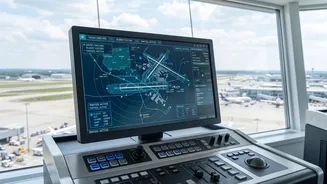
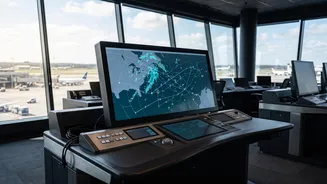
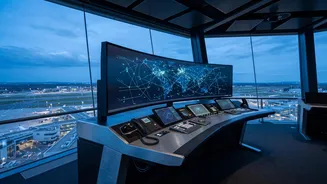
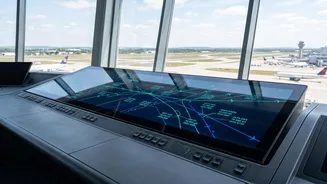
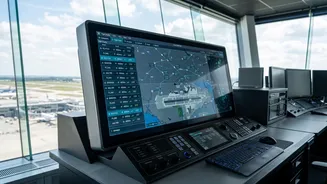
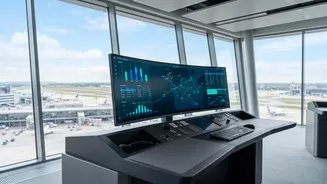
The FAA's answer to this is the Enterprise Information Display System (E-IDS). Announced in early November 2026, this program is a cornerstone of the agency's broader modernization effort. The core purpose of E-IDS is to consolidate four separate legacy information systems into a single, unified digital display. Instead of looking at multiple screens or handling paper, a controller can see real-time weather data, equipment alerts, flight information, and other critical advisories all in one place. This move away from outdated, manual processes is designed to give controllers faster access to the information they need to make timely and safe decisions.
What This Means for Your Flight
For the average passenger, the benefits of this behind-the-scenes upgrade are significant. A more integrated and less manually intensive system for controllers translates directly into a safer and more efficient airspace. By providing a single source of truth, E-IDS reduces the potential for human error and allows for quicker responses to changing conditions, such as sudden weather events. This enhanced efficiency can lead to fewer ground holds and tarmac delays, as surface movements can be better predicted and managed. Ultimately, the goal of these modernization efforts, often grouped under the 'NextGen' umbrella, is to increase the capacity and reliability of the entire air travel network, saving fuel, reducing emissions, and getting passengers to their destinations with fewer disruptions.
The Path to a Modern Sky
The rollout of E_IDS is a massive undertaking. The FAA has started deployment at five initial sites, including the airports in Atlantic City, Nashville, and Rochester, as well as data_processing hubs. The comprehensive plan is to install the new system at 435 facilities nationwide by the end of 2028. This is part of a larger, multi_faceted modernization that also includes replacing paper flight strips with electronic versions under the Terminal Flight Data Manager (TFDM) program. While these programs have faced delays and budget adjustments in the past, their implementation is seen as essential. The transition requires not only installing new hardware and software but also extensive training for the controllers who will use these new tools to manage the world's most complex airspace.